Welcome to my blog!

Welcome to my blog! This is my journey, my first steps into the world of fictional writing. This blog is an online journal of sorts, where I share the progress of my work as well as what I have learned along the way. I hope you enjoy your time with me and that my experience may be of some use to you.
Showing posts with label forest. Show all posts

Friday, February 5, 2016

Inspiration Part 9 - Snow


Welcome back!


Winter had a slow start this year, but has finally arrived and is making up for lost time. Since our (green) Holidays, we have had a few heavy storms which have brought us back to the seasons regular, snow covered standards. The accumulation started off slowly, giving our surroundings a nice, peaceful air… and then this happened.
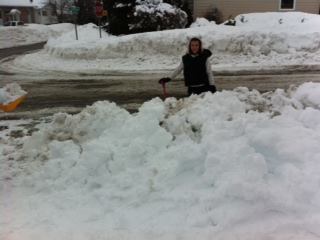

BAM! Snow.


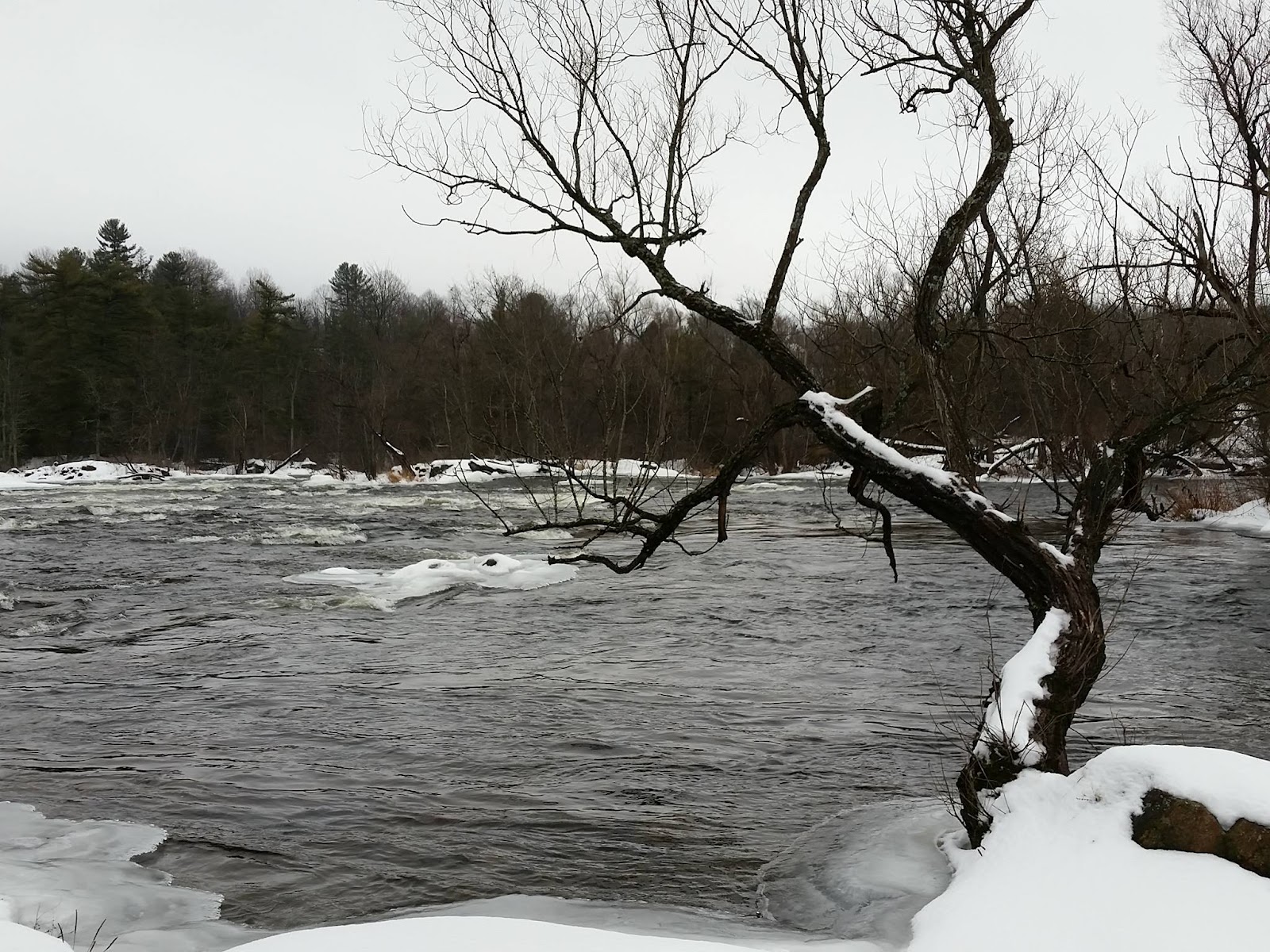
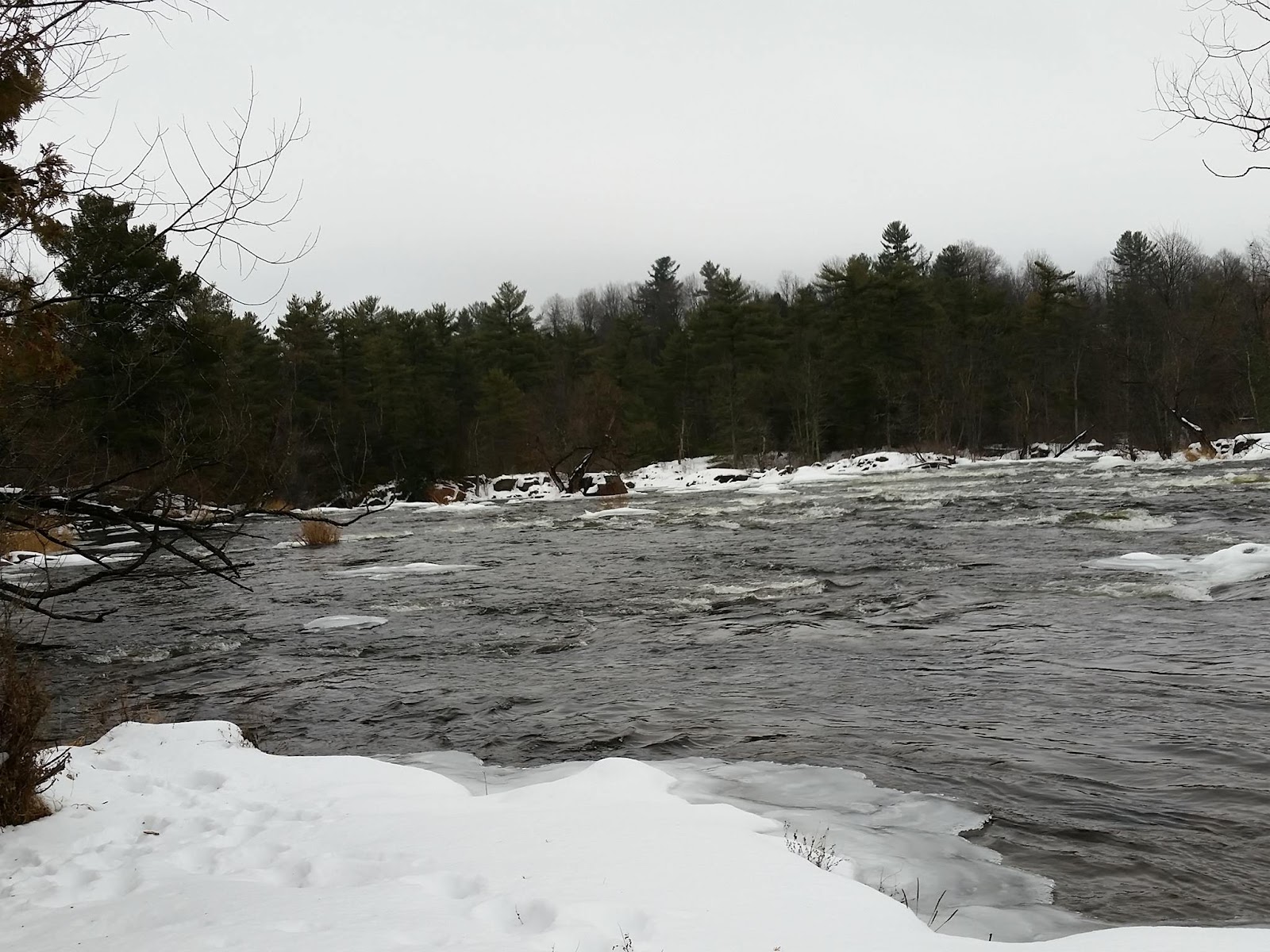
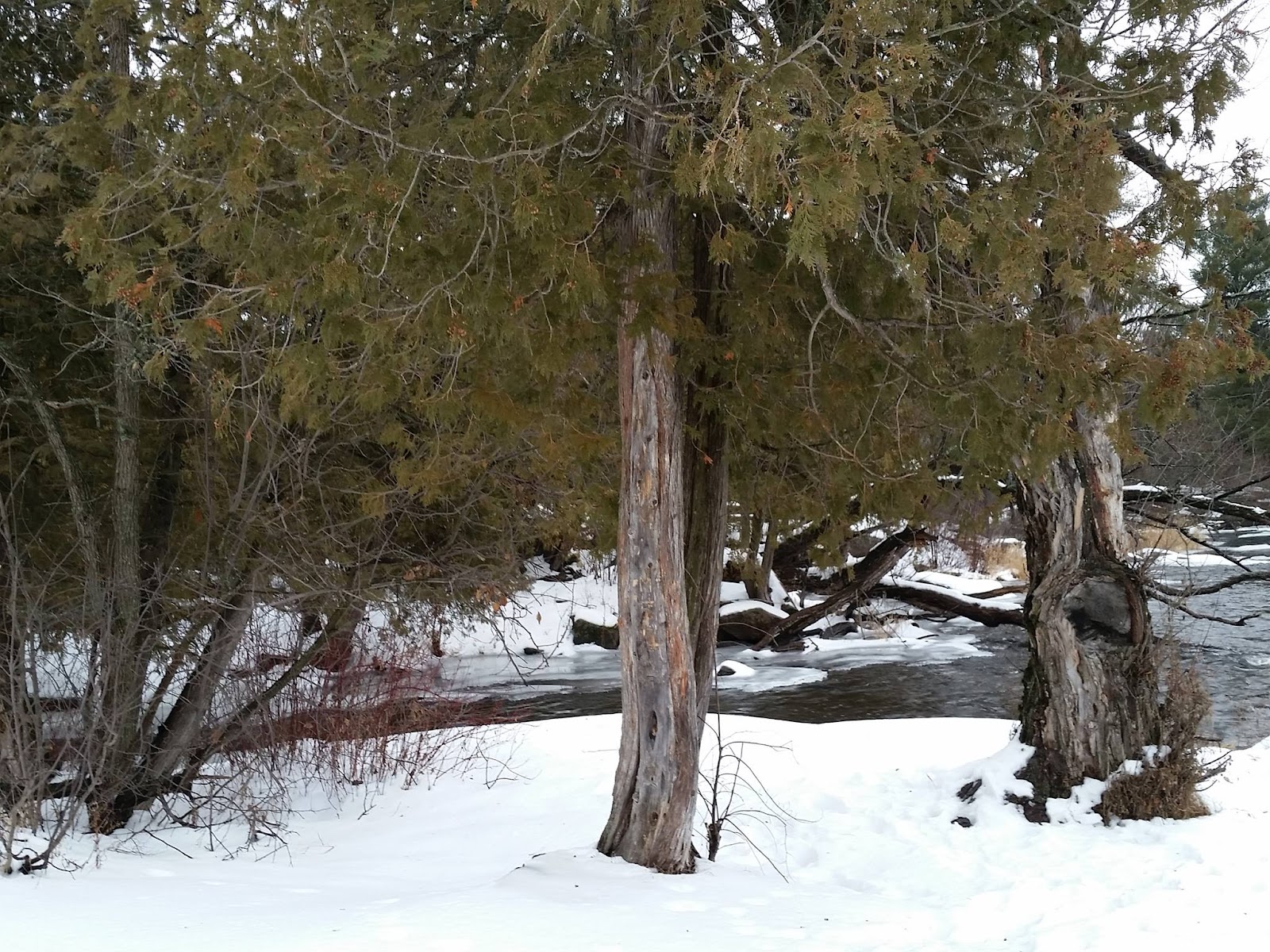
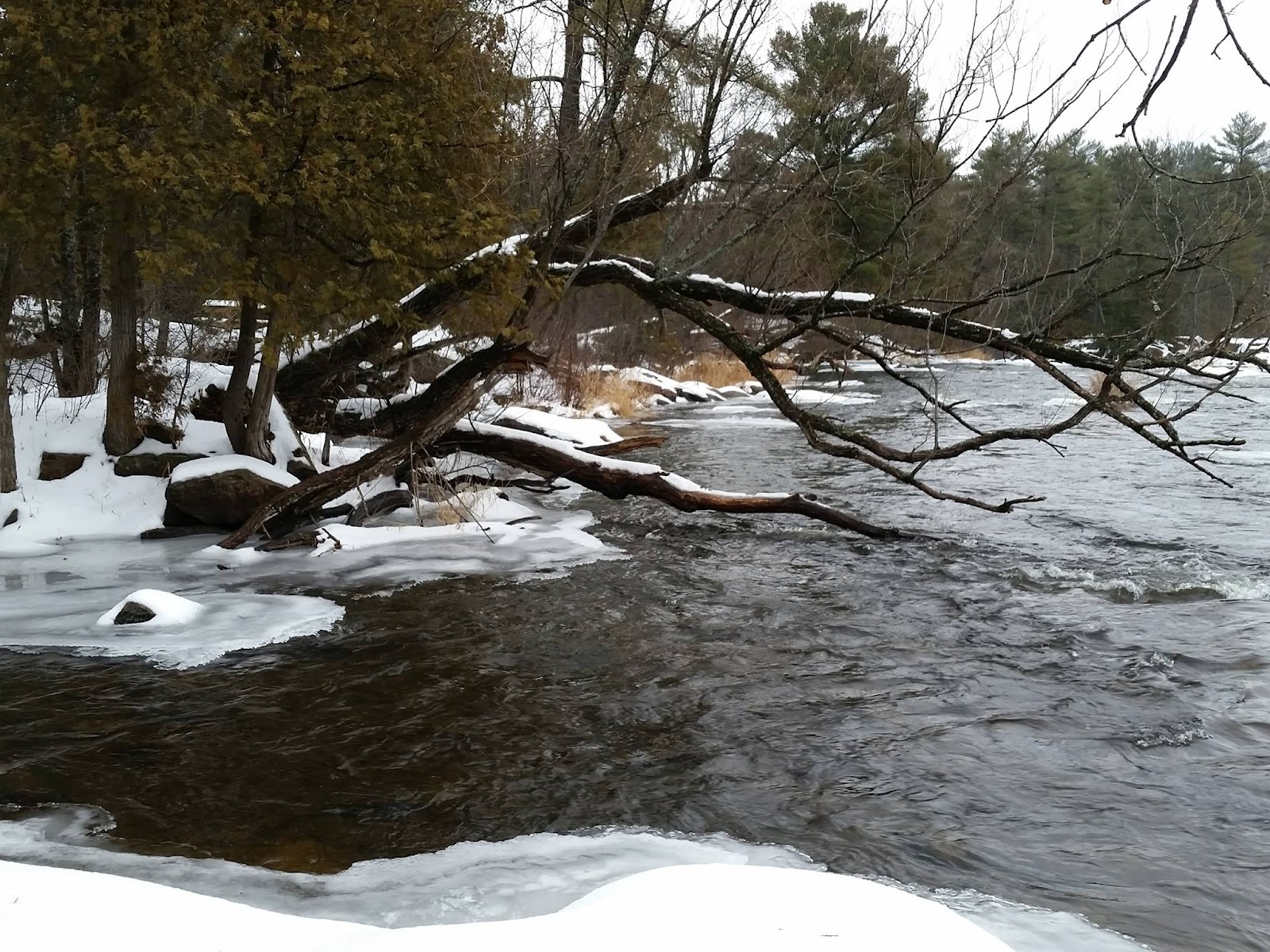
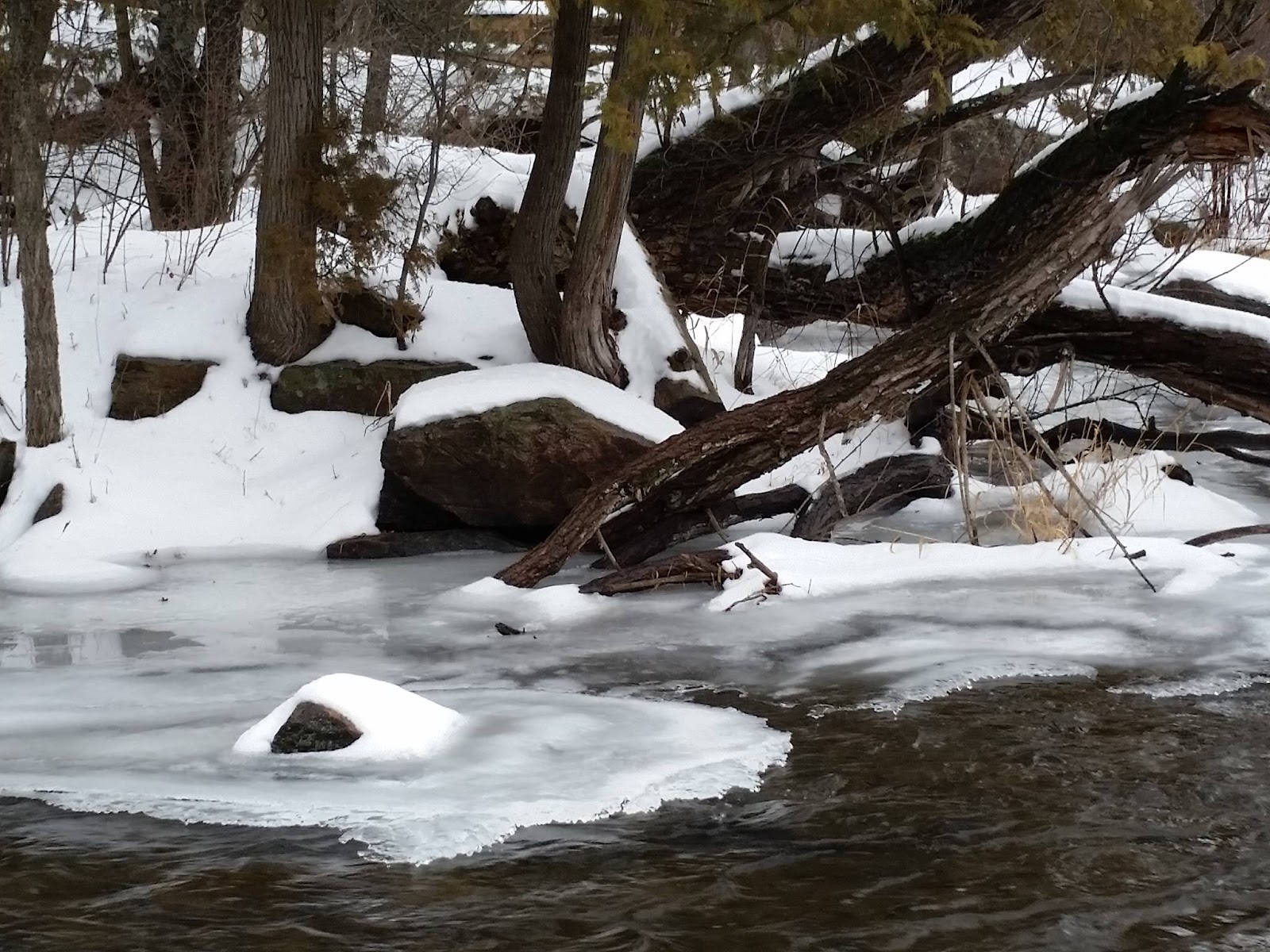
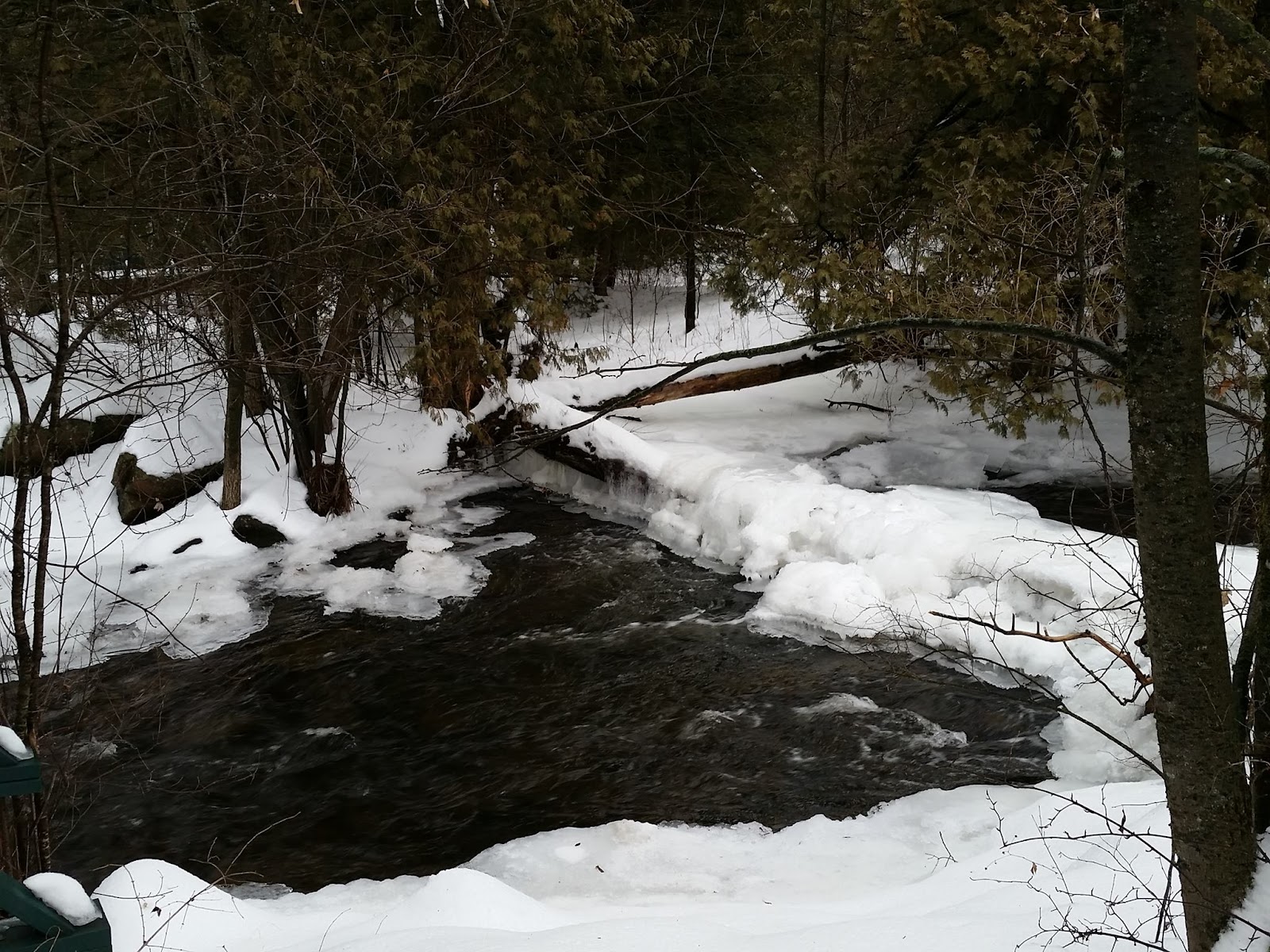
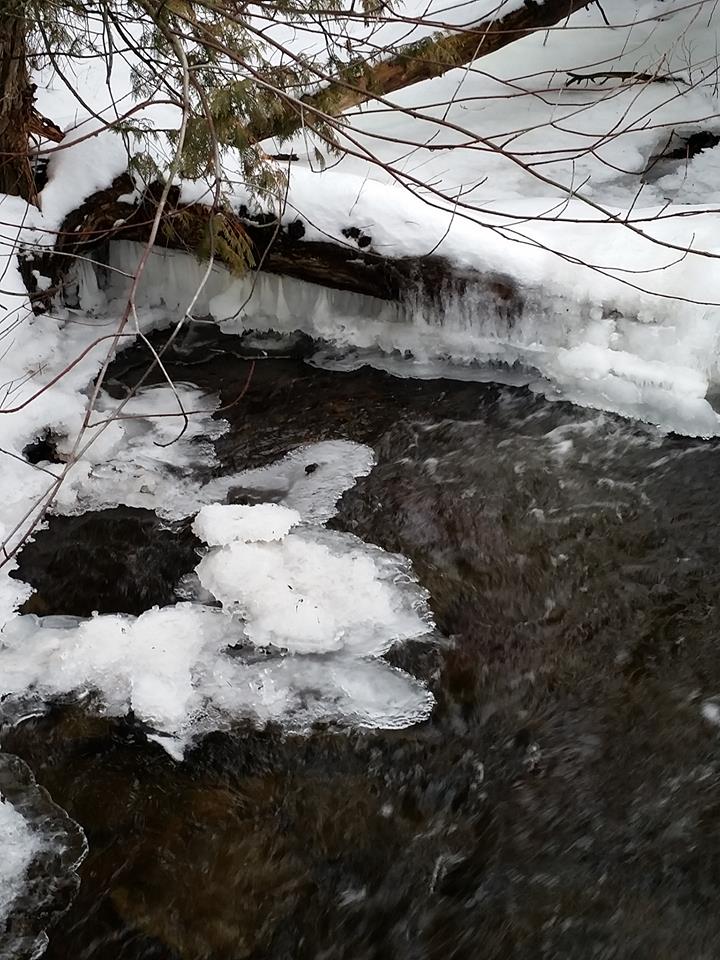
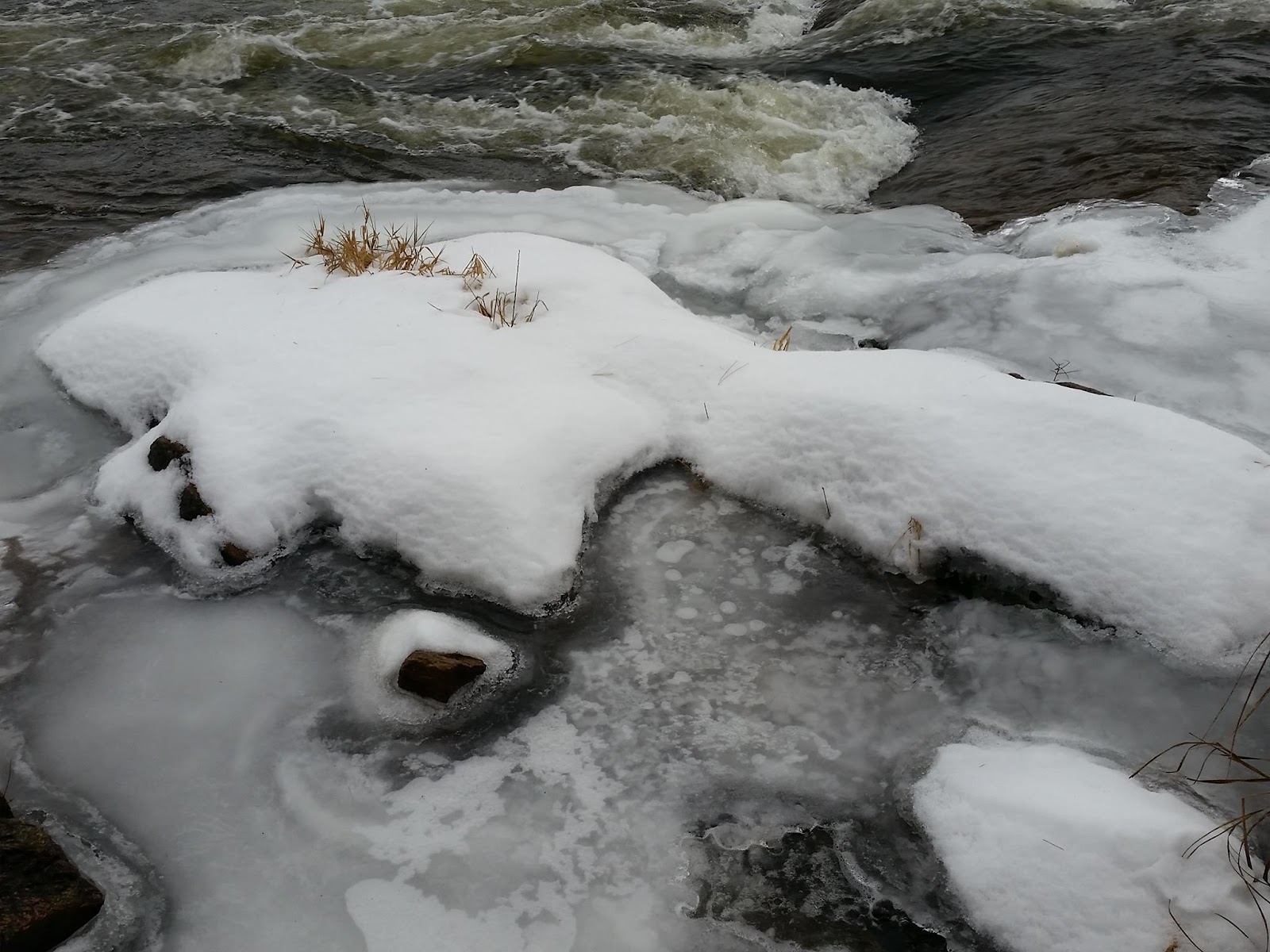
           This month’s inspiration post will focus on “the white stuff”. The idea for this blog entry came to me after watching countless Christmas themed movies over the holidays. Being able to describe snow in its various incarnations can be a very useful storytelling tool, depending on the application you are working with. It can add ambiance to a romantic scene, such as a couple walking through a park during a gentle snowfall. It can be a plot tool, like a blizzard trapping characters in a cabin. Or it can be an obstacle, like an avalanche chasing the protagonist down a mountain.


For those of you who are not Canadian or do not live in areas which get snow, here is a quick list of items you might want to research further. Keep in mind I am glossing over these terms, and there is much more information to find for those interested in learning more.


Types of snow
  • Snowflake: Single ice crystal with multiple facets.
  • Polycrystals: Snowflakes composed of multiple ice crystals.
  • Graupel: Single ice crystal which has become rounded and. Normally 2 to 5 millimeters.
  • Hail: Solid ice precipitation, usually in rounded clumps of 5 mm or higher.
  • Sleet: The result of freezing rain, manifested in transparent ice spheres.


Types of snowfall
  • Blizzard: Violent storm, accompanied by strong winds, subfreezing temperatures and a decent amount of snowfall.  
  • Drifting snow: Storm caused by strong winds blowing the snow that is already on the ground.
  • Flurry: Precipitation that lasts for a short period, with little snowfall.
  • Snow squall: Brief storm, accompanied by strong winds, poor visibility and snowfall.
  • Snowstorm: Normal levels of wind and temperatures, but accompanied by a large amount of snowfall.


Types of accumulation
  • Cornice: Overhanging accumulation of ice and wind-blown snow
  • Crust: Hard layer of ice covering a softer layer of snow.
  • Ripples: Formation of waves on a snowy surface caused by winds.
  • Sastrugi: Irregular snow formation caused by winds. Often fragile in nature.
  • Barchan: Horseshoe-shaped snowdrift.


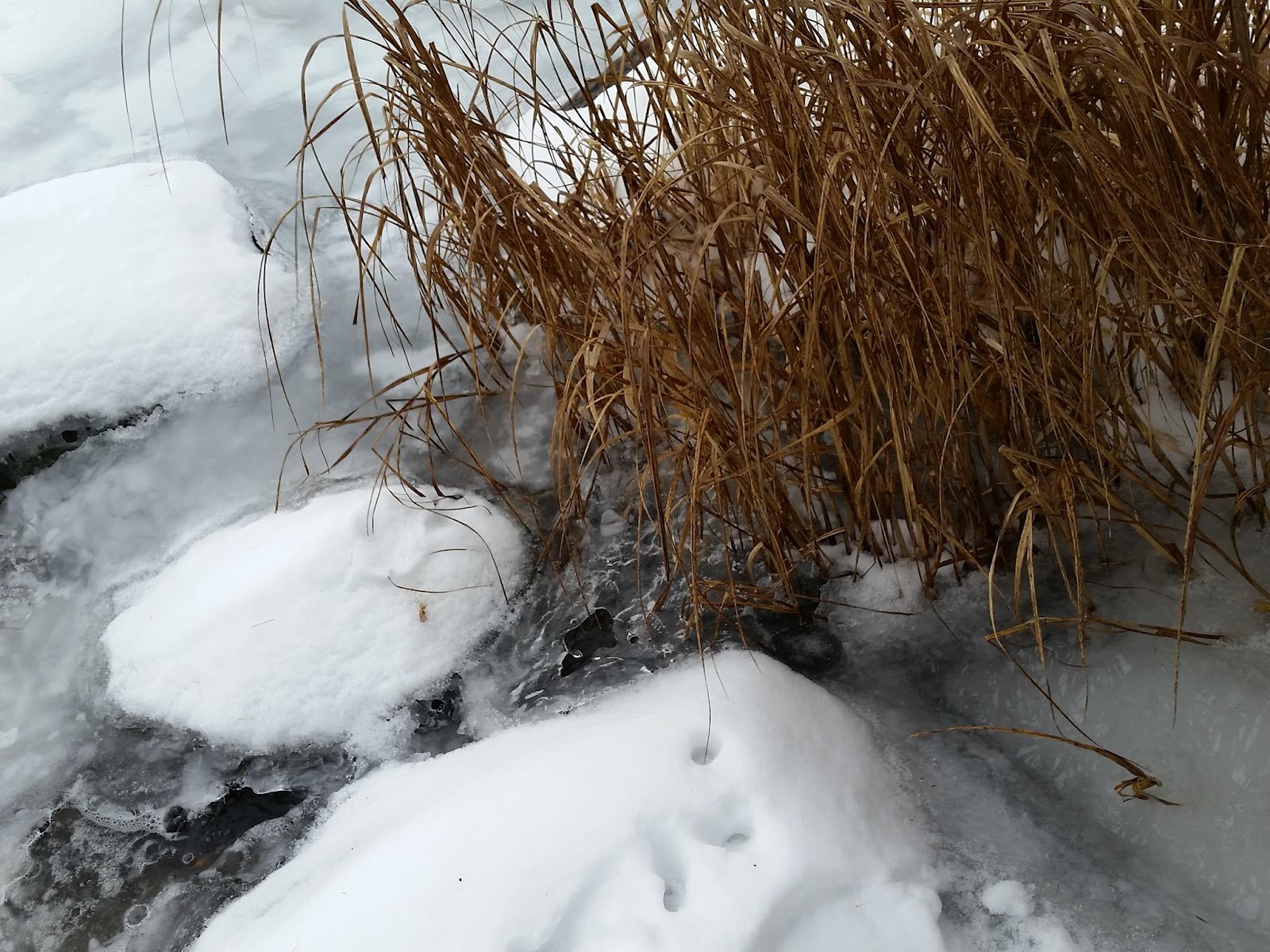
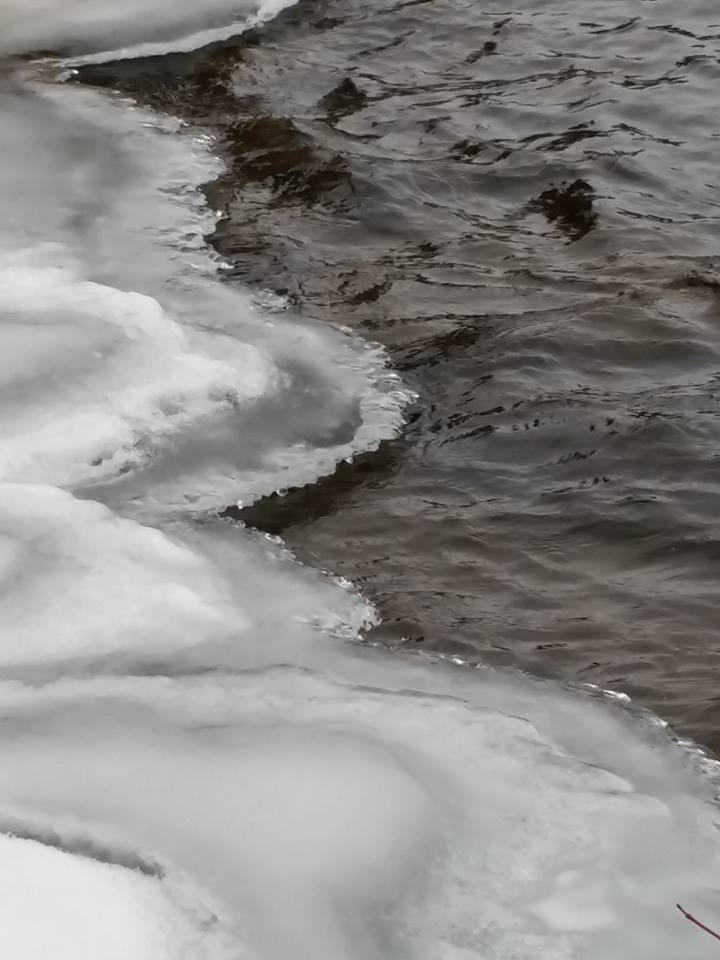
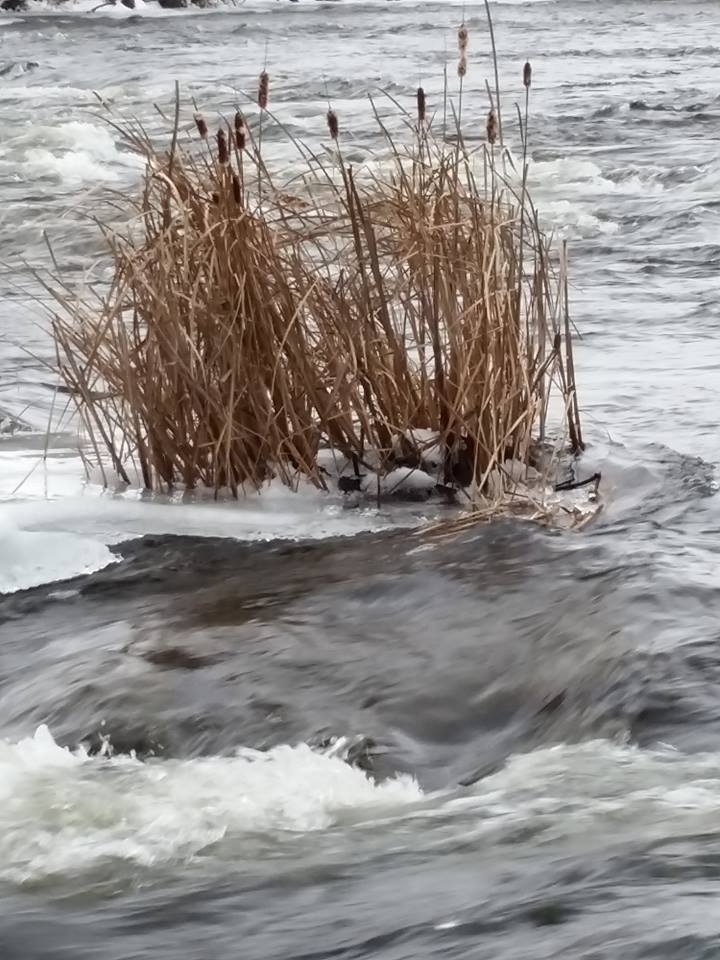
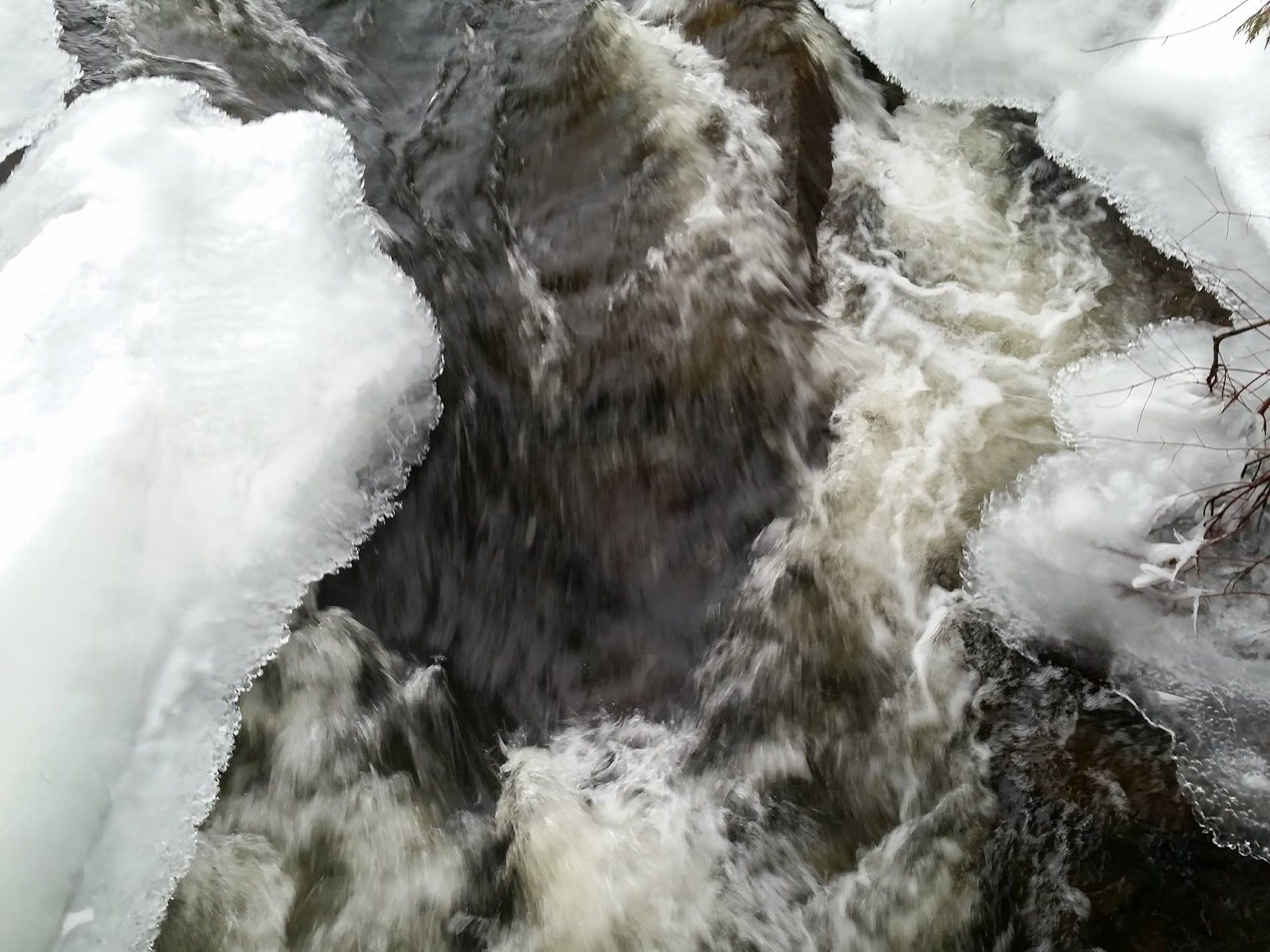
           Now that we have established that snow is much more complicated than it sounds, we can move on to the photography portion of today’s post.
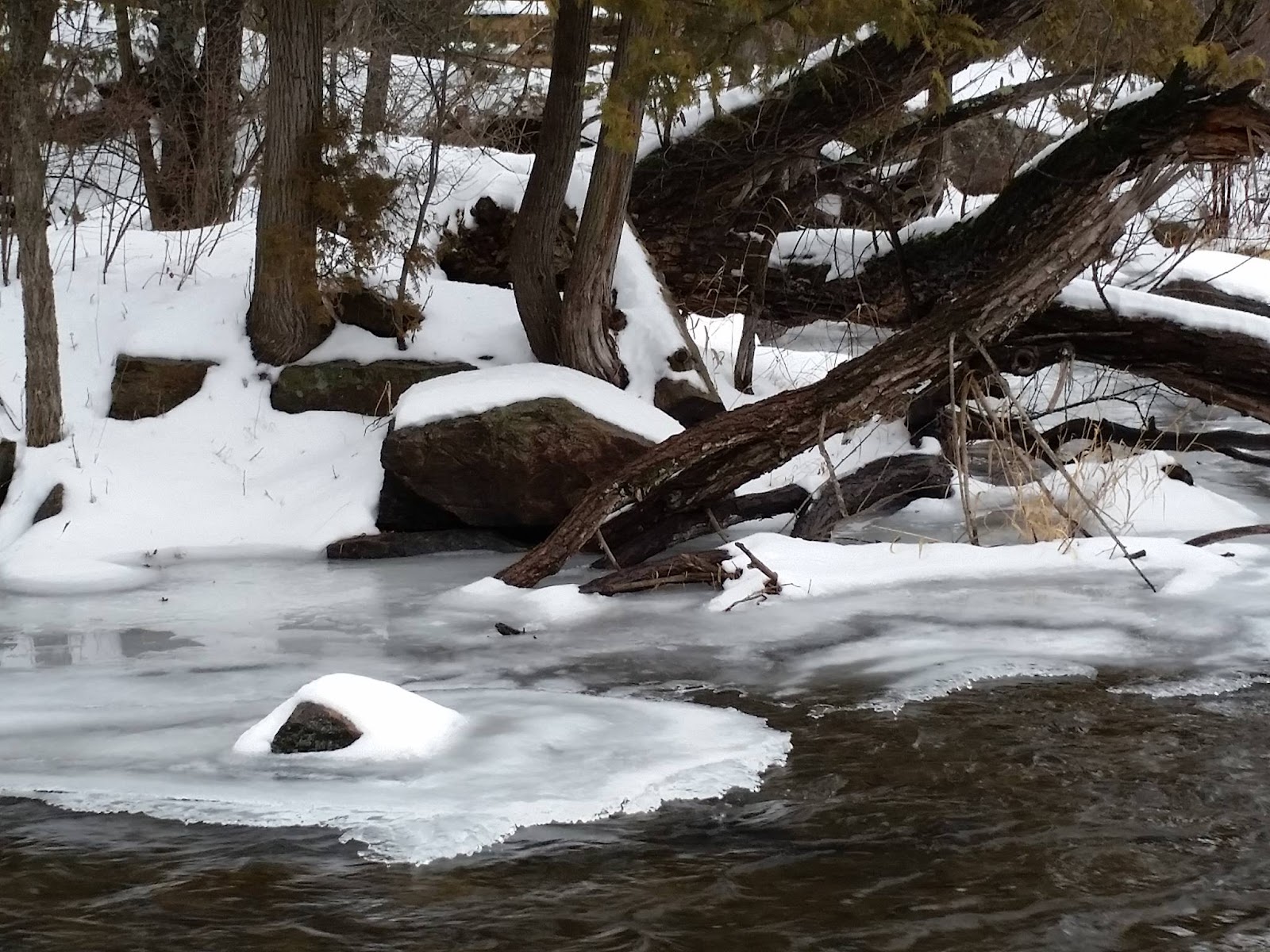

©Wendy Papenburg 2016

©Wendy Papenburg 2016

©Wendy Papenburg 2016

©Wendy Papenburg 2016

©Wendy Papenburg 2016

©Wendy Papenburg 2016

©Wendy Papenburg 2016
©Wendy Papenburg 2016

©Wendy Papenburg 2016
©Wendy Papenburg 2016

©Wendy Papenburg 2016

©Wendy Papenburg 2016

©Wendy Papenburg 2016
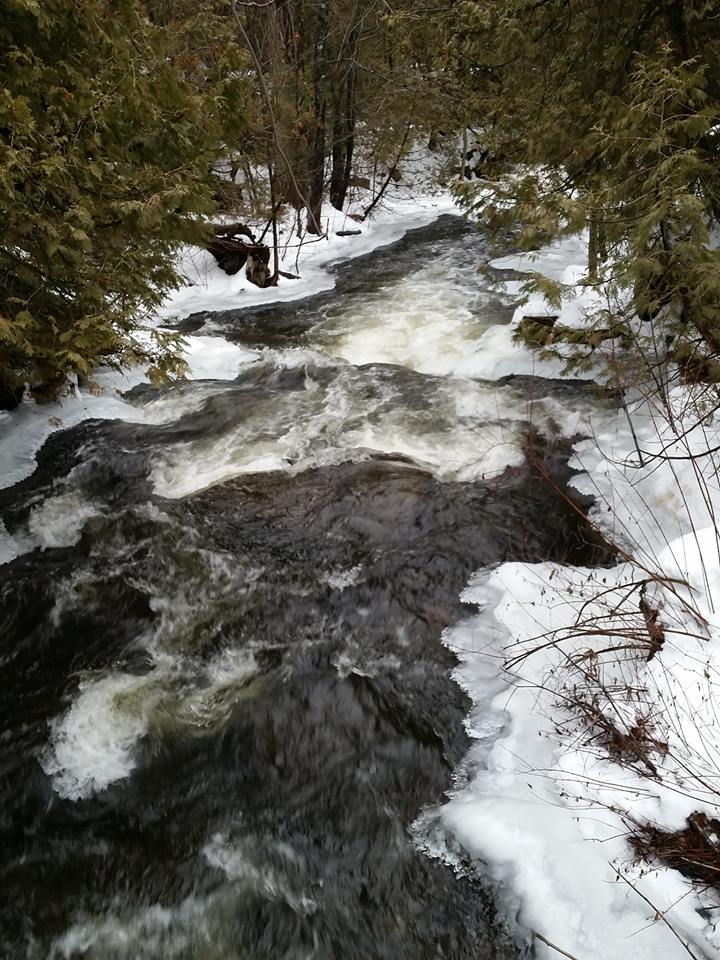

©Wendy Papenburg 2016
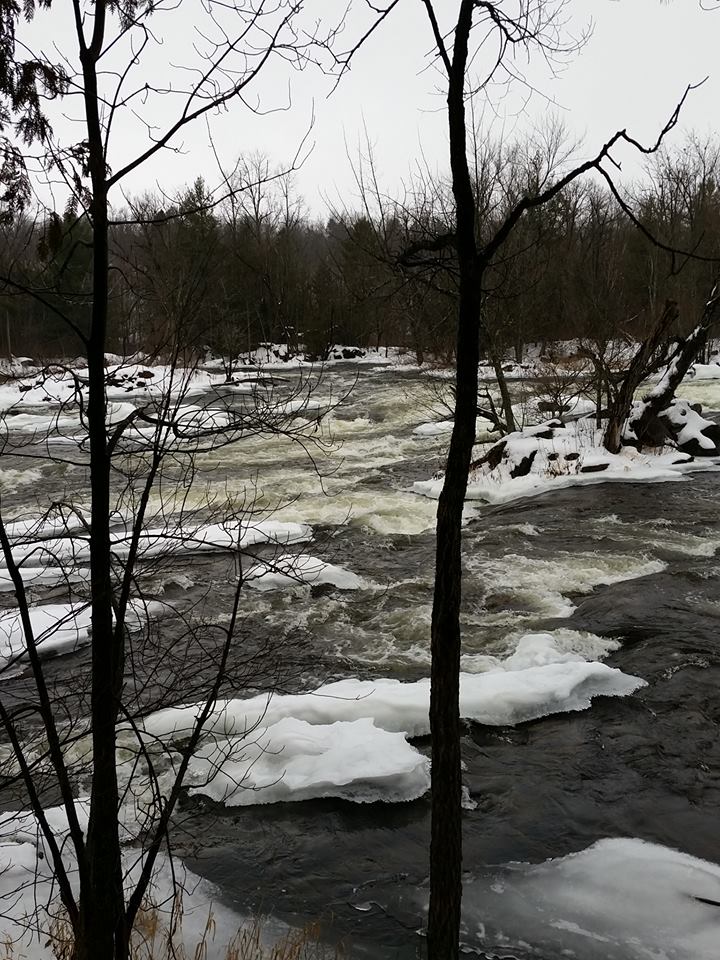

©Wendy Papenburg 2016
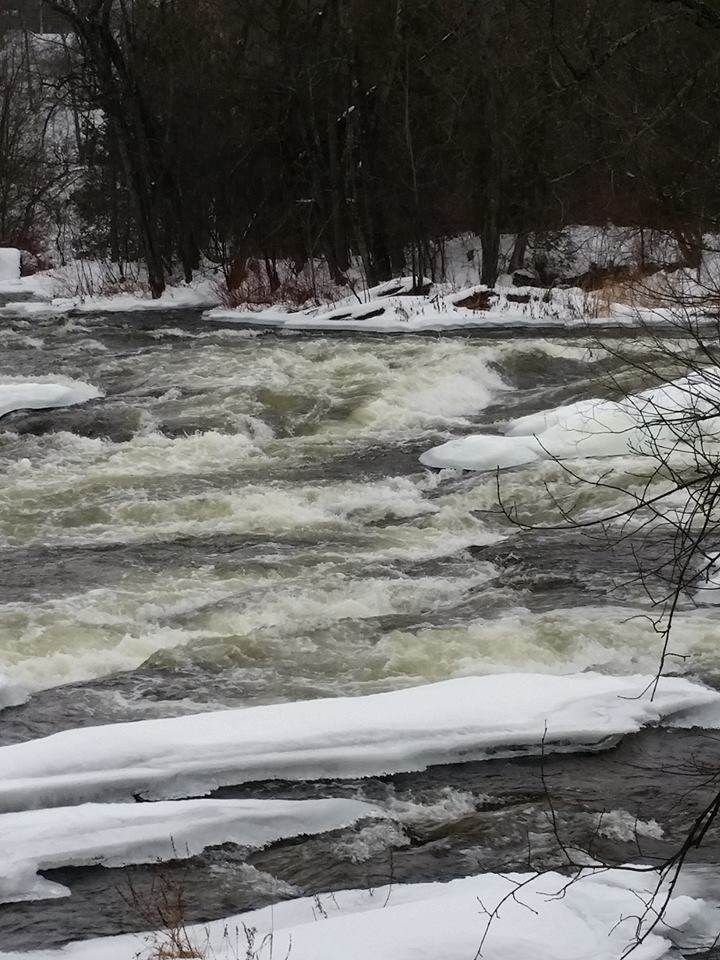

©Wendy Papenburg 2016


That is all for this month's Inspiration post. I hope you enjoyed it and managed to  learn something in the process. In closing, I would like to thank Wendy Papenburg for generously supplying the pictures, it is truly appreciated.


Until next time.


Cheers

            Patrick Osborne.

Monday, November 23, 2015

Inspiration Part 7 - Forests


Welcome back!


As I mention in this month’s Current Projects post, I lost all of the photos that were being saved up for future Inspiration articles when my laptop had an unforeseen BSOD issue. Until I can go out and get more pictures (or at least revisit the sites I had gone to), I will be forced to use older pictures I had saved elsewhere, or content from other sources.


As for a subject, it came to me after having written a few posts for November. Earlier this month, I was at a loss when it came to a theme, but one finally surfaced as I was revising my Current Projects and By the Book entries: Forests.


© Linda Little 2015


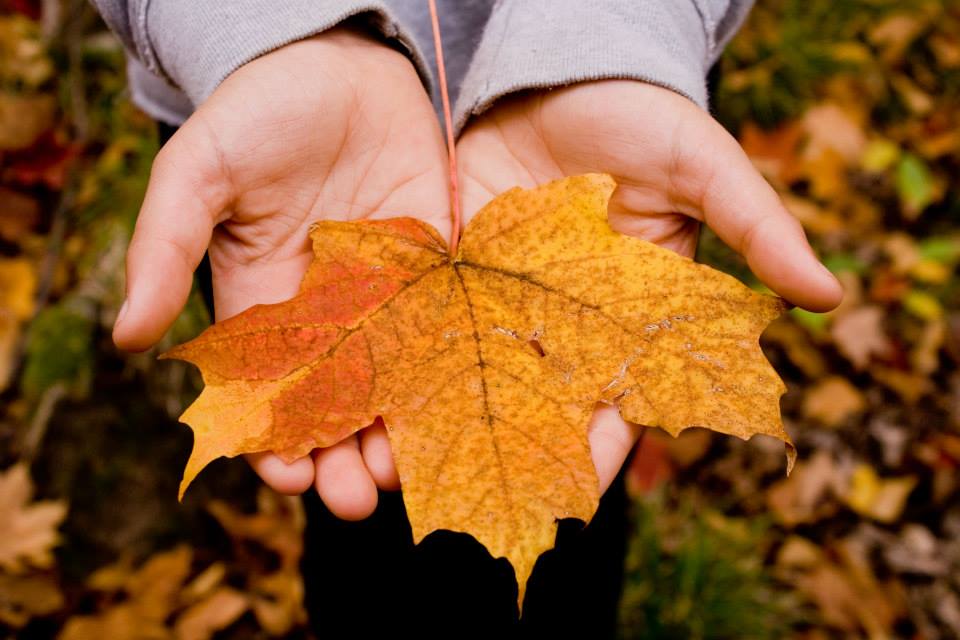
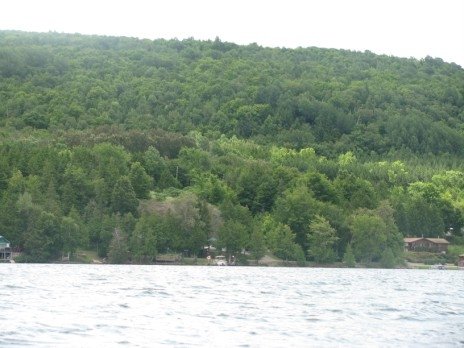
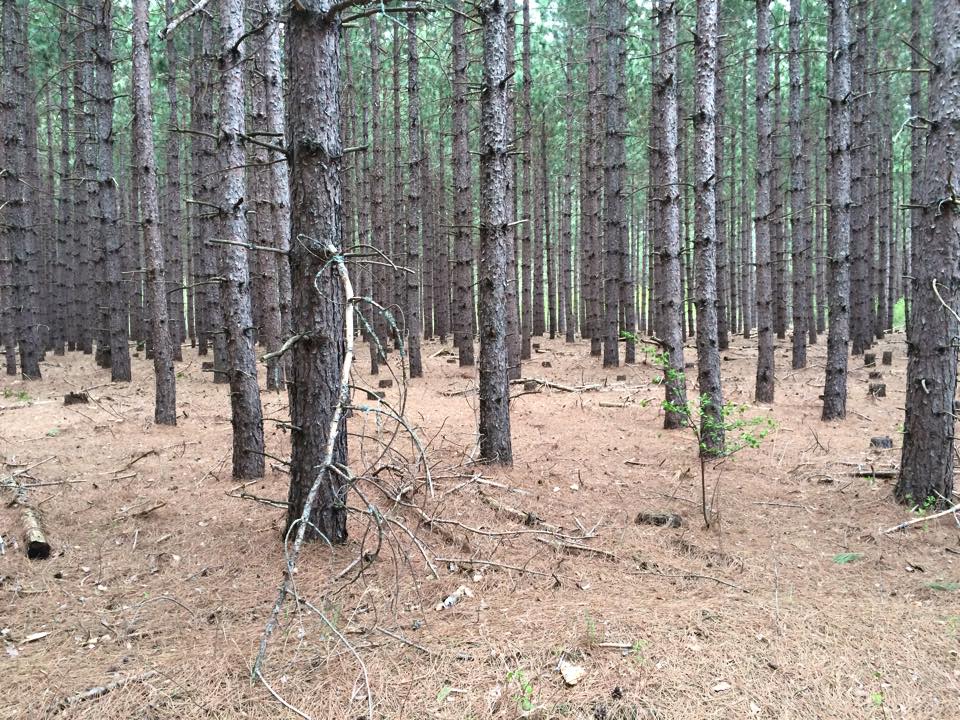
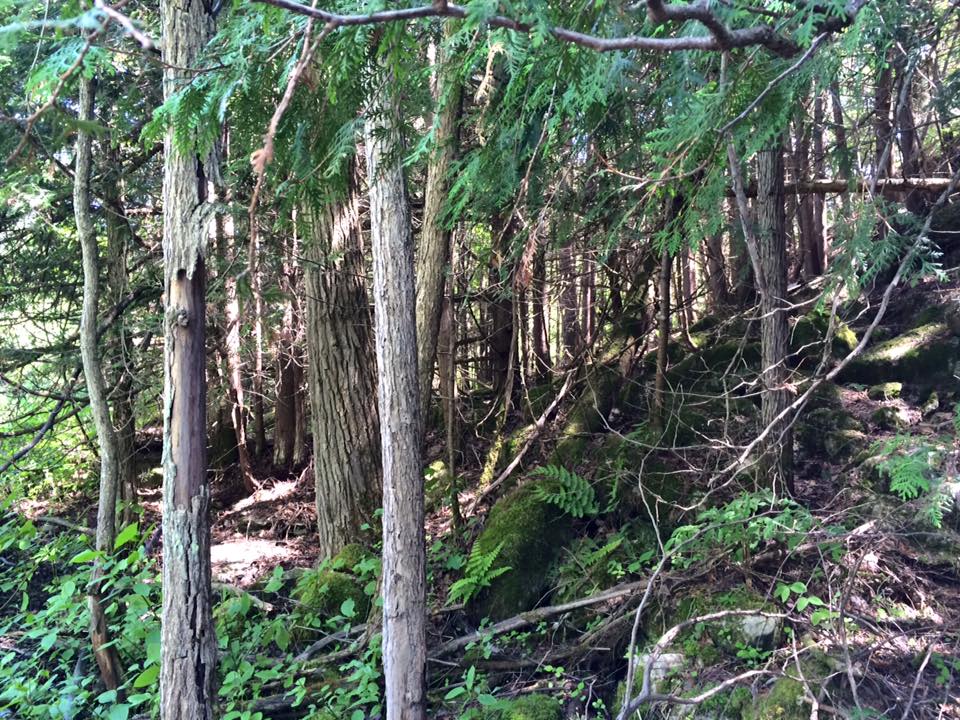
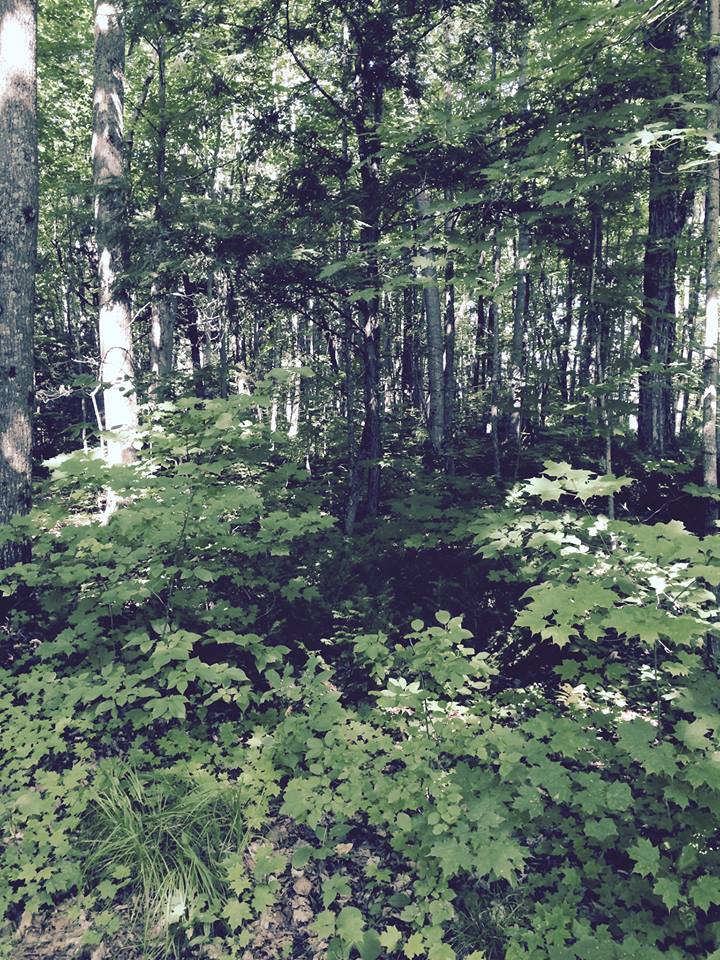
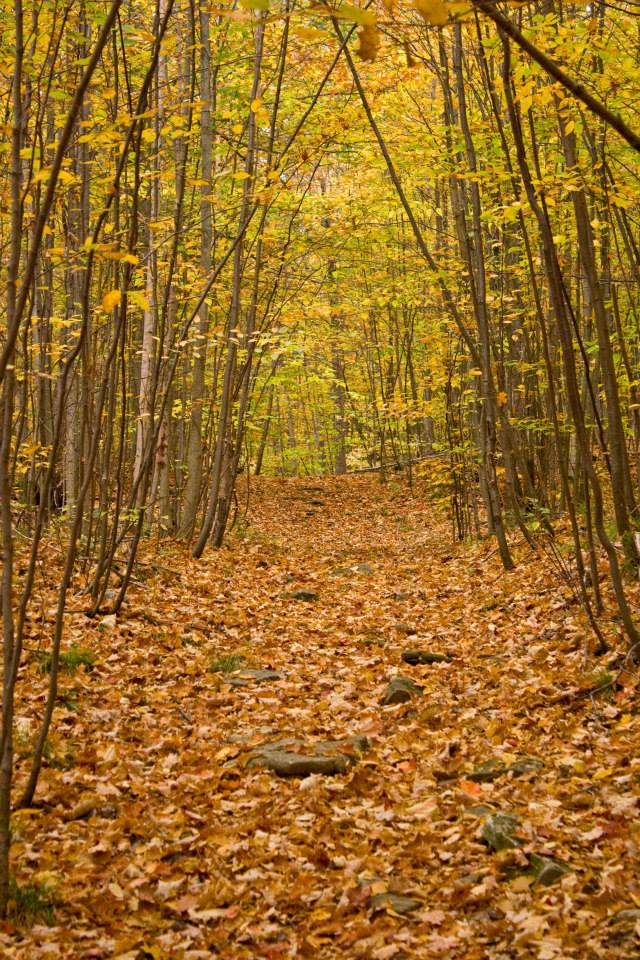
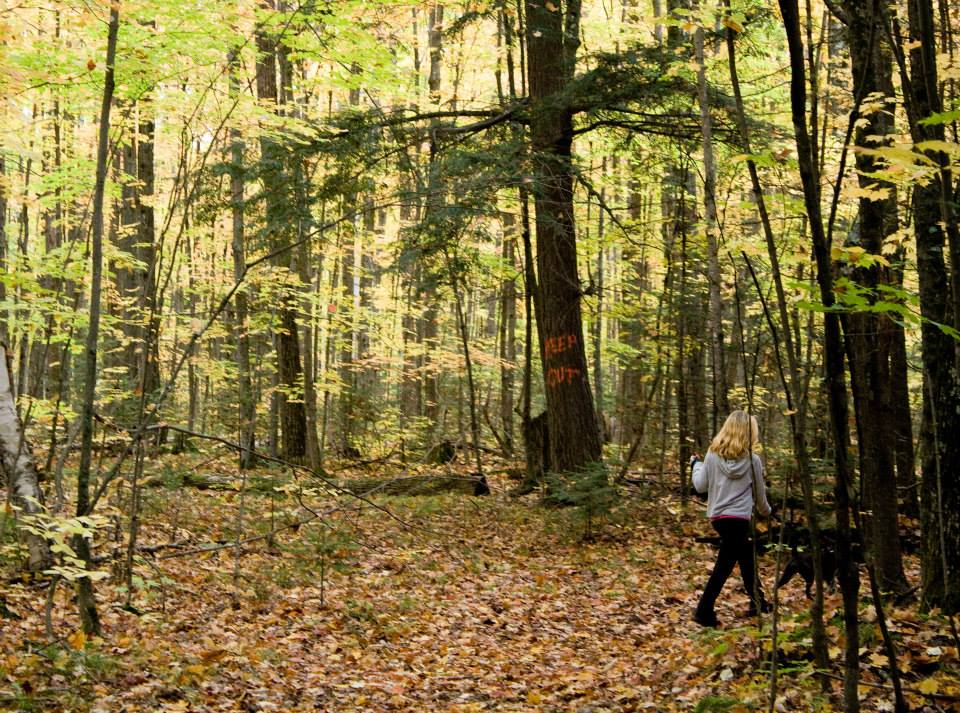
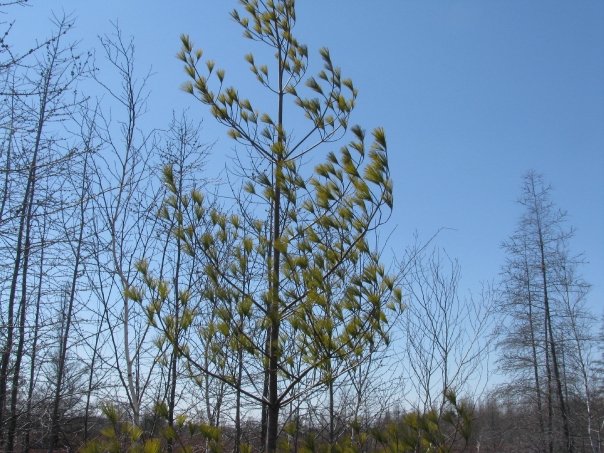
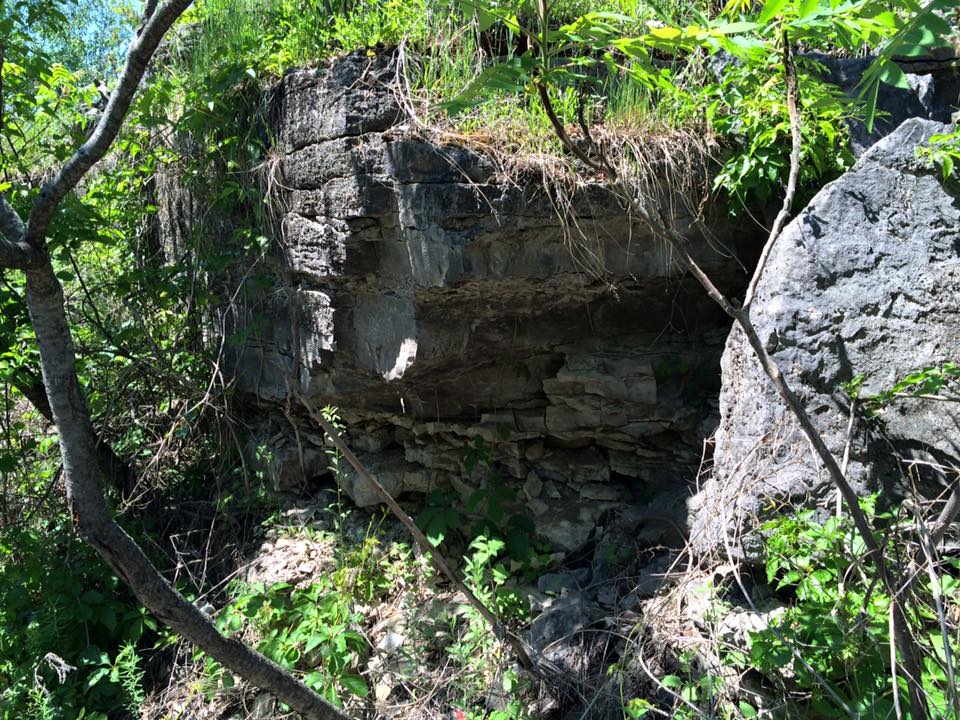
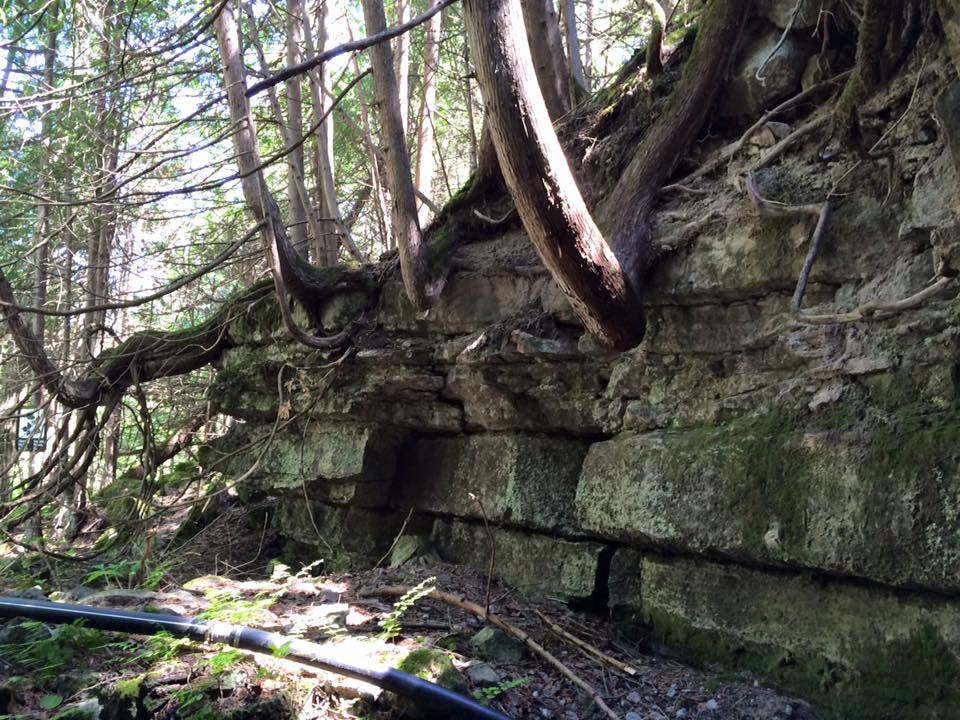
    One of my favorite spots in the world is the Opeongo Mountain resort, where our family goes camping every year. The pictures which will be displayed here are from the various woodlands on or surrounding the campground, taken during different times of the year (between May and October), so they will vary in appearance. Hope you enjoy them.


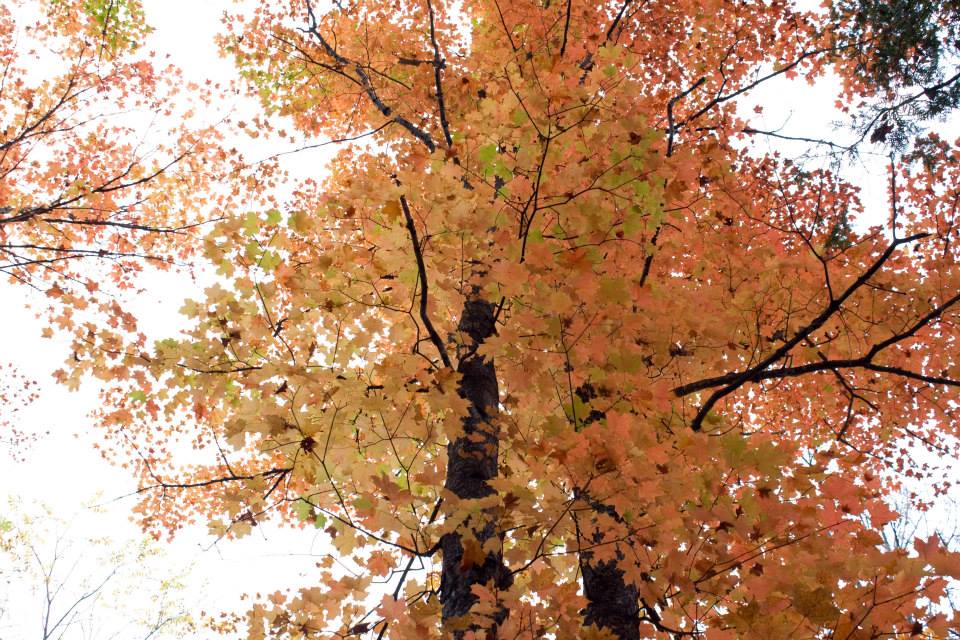
    First, we will take a look at the most prominent aspect of a forest: trees. I won’t go into extreme details on the components, types and such, or else this post would be taking up several hundred pages. Besides, how many of us actually know all that much about trees? These are details that not every character in the story you are telling should know. So instead, I will stick to what “Joe Everyman” would notice at a glance.


© Linda Little 2015


© Linda Little 2015

© Linda Little 2015

© Linda Little 2015


Paying close attention to trunks, branch formations, bark texture, shape and color of leaves, are all details than can help scenery descriptions in a story. Unfortunately, since most of these photos were taken in the same general area, I do not have a large variety of flora to show you.
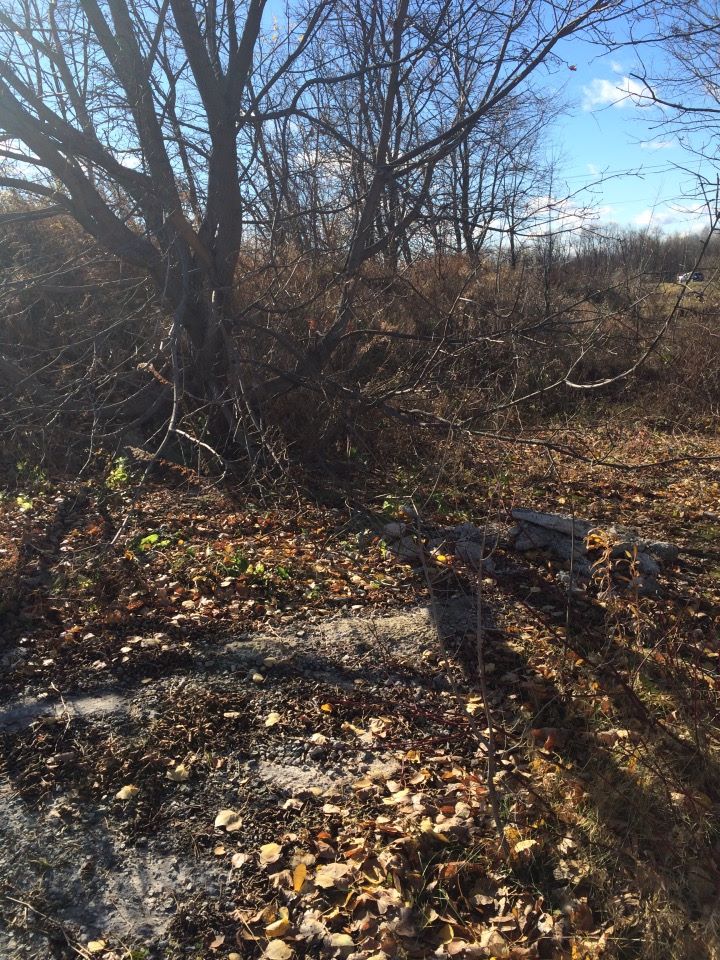
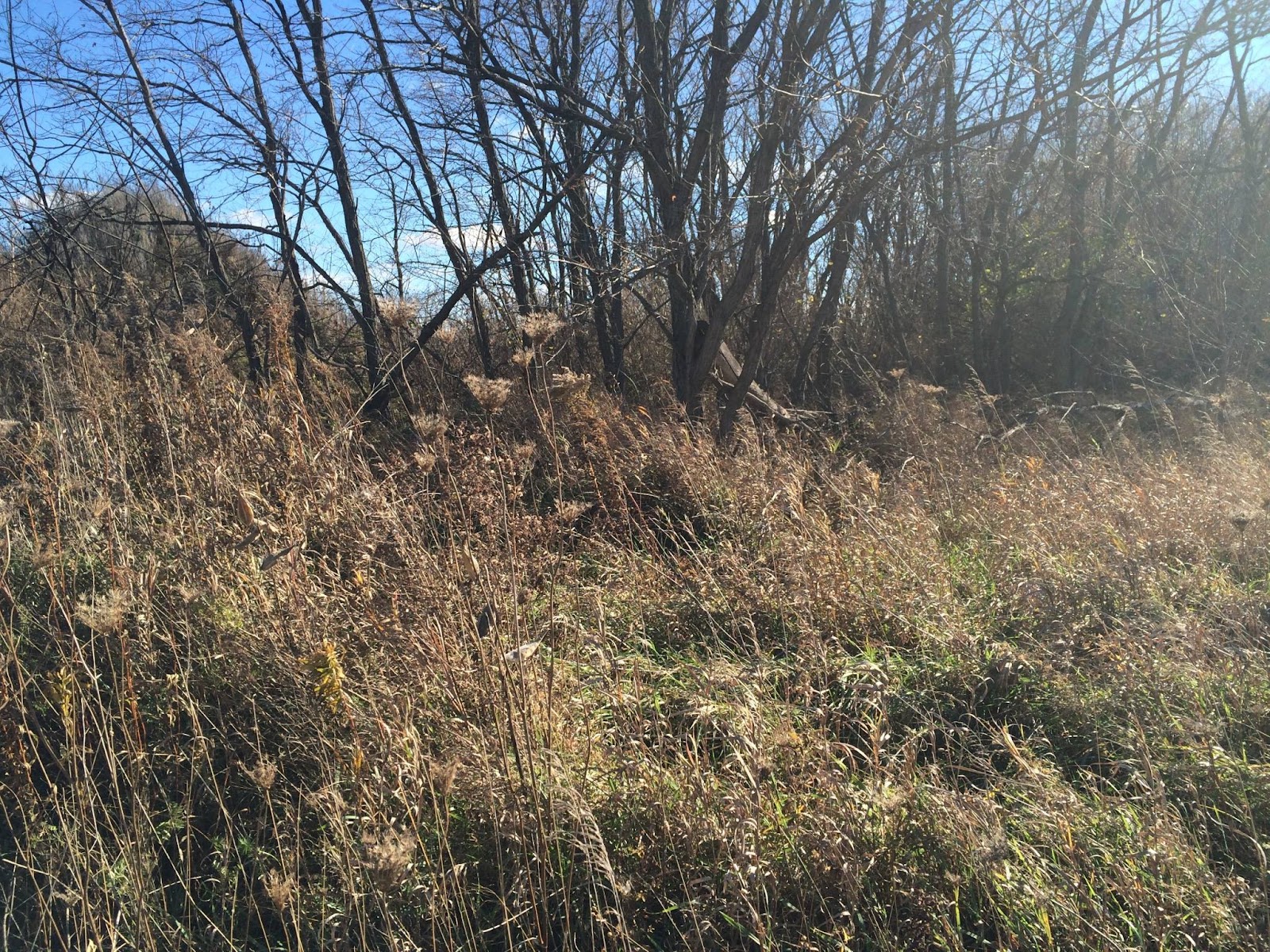
What is most obvious from the following pictures is the difference between trees in a forest, and trees in a field. When surrounded by something that is obstructing their source of light (like other trees), a trees will shoot straight up in order to try and get as much light as possible. Whereas trees in the middle of a field or lot will spread its branches in every direction.


Before using descriptions of vegetation in your story, I recommend doing research online or, even better, go out and get a closer look yourself.


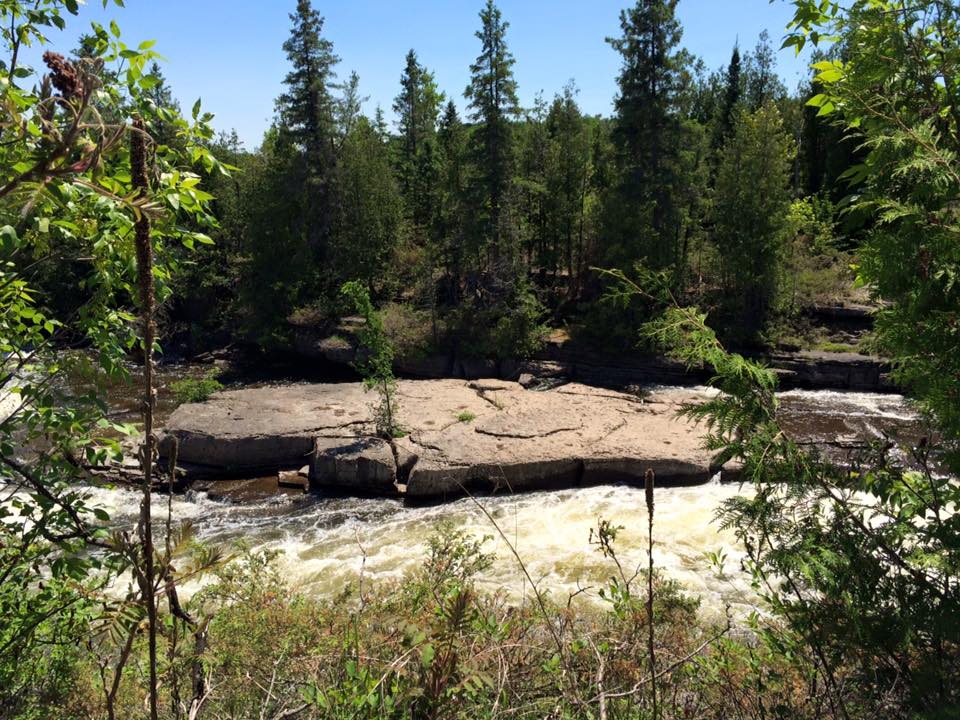
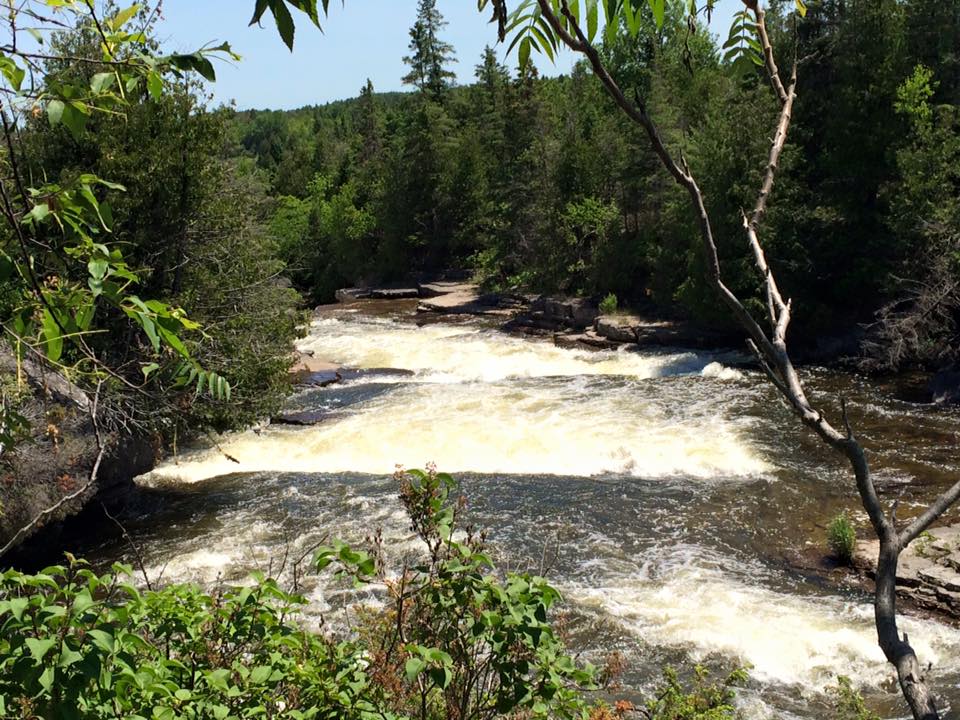
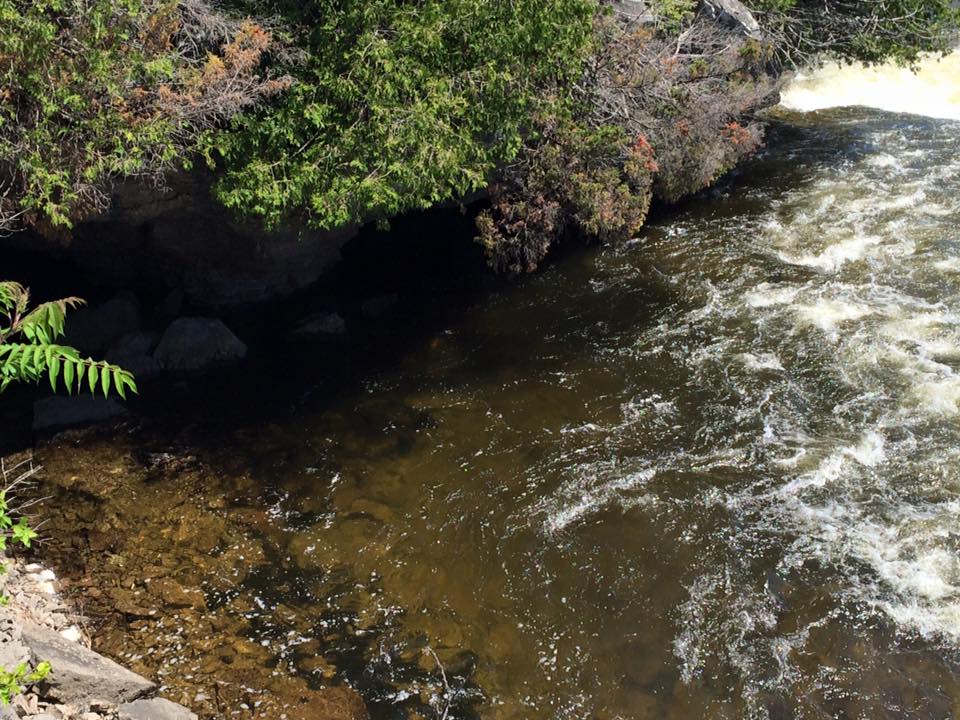
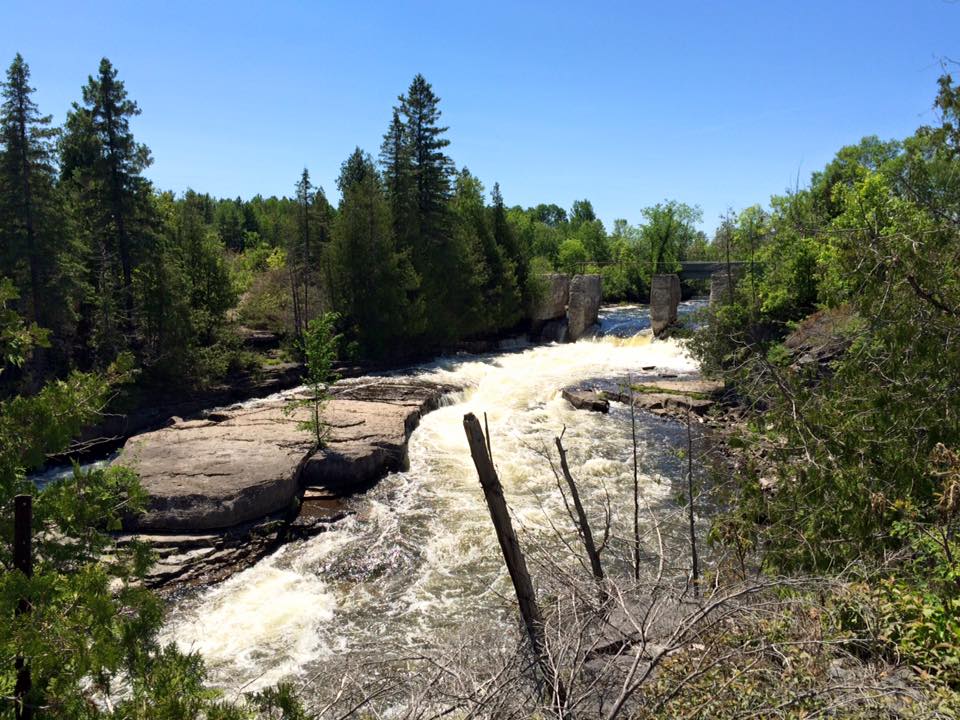
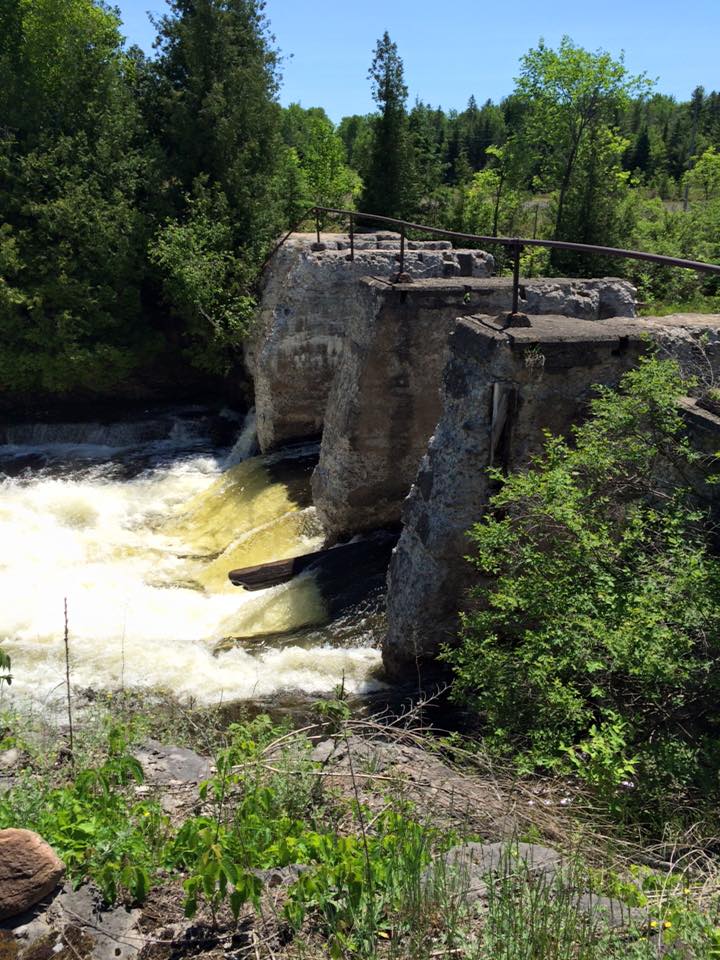
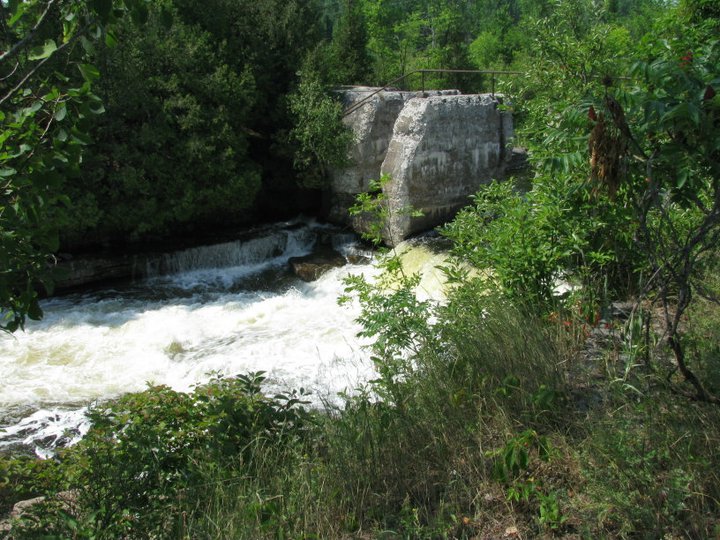
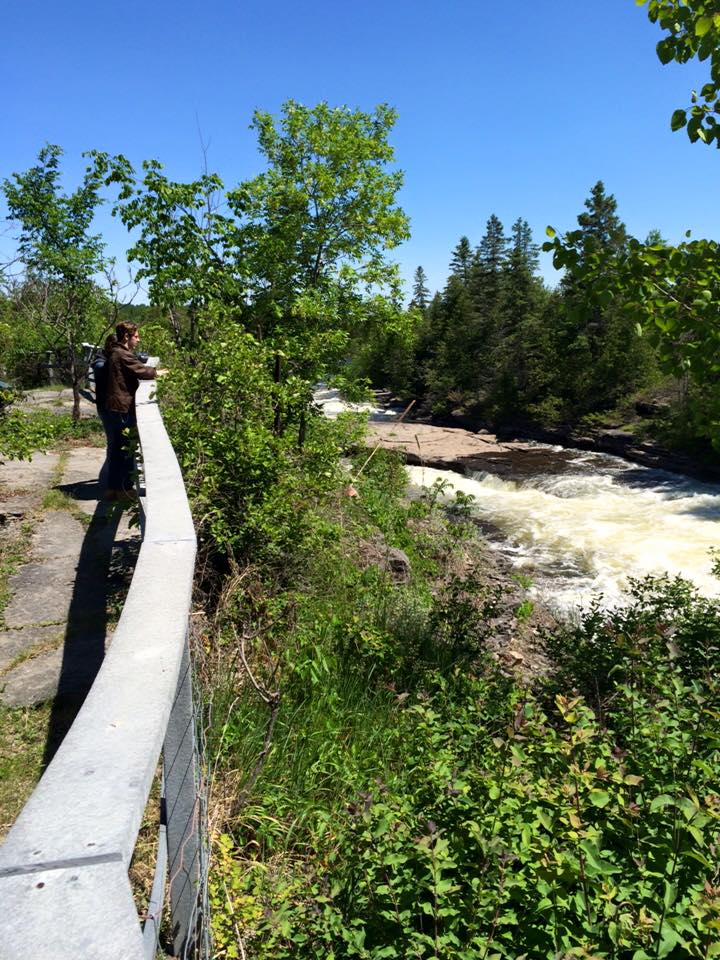
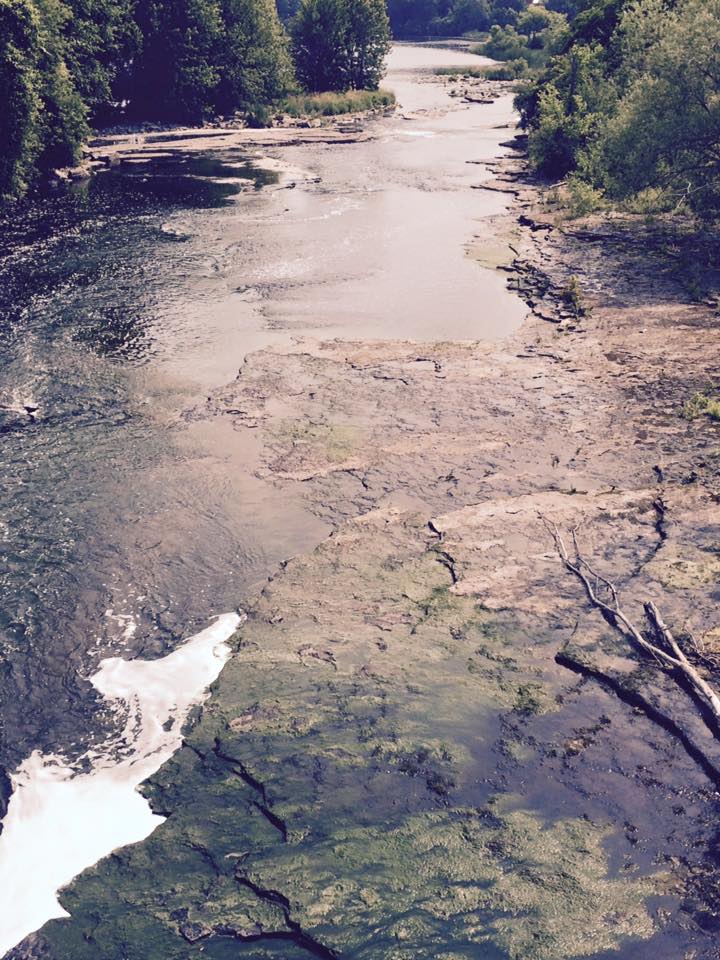
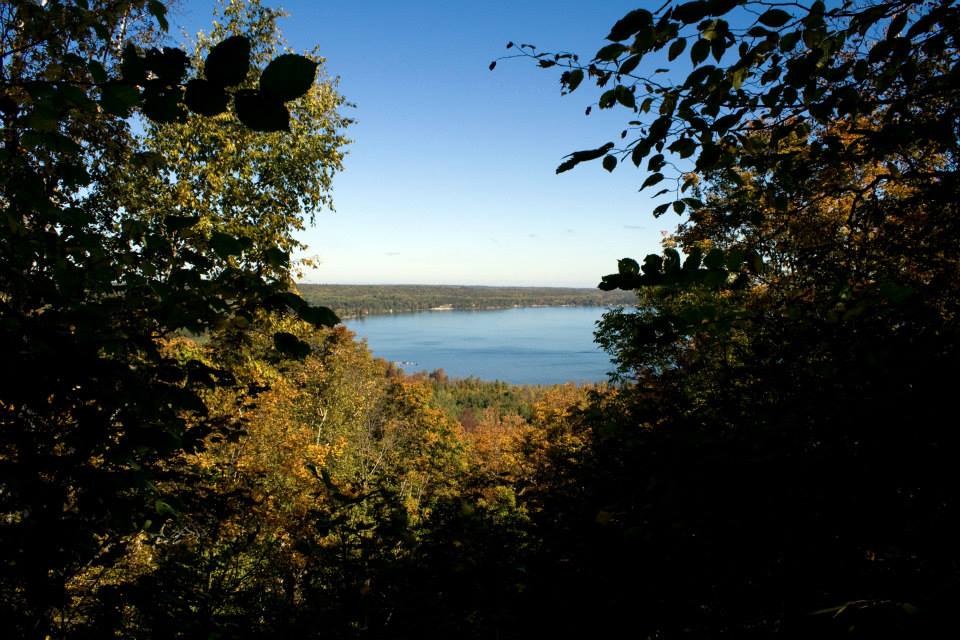
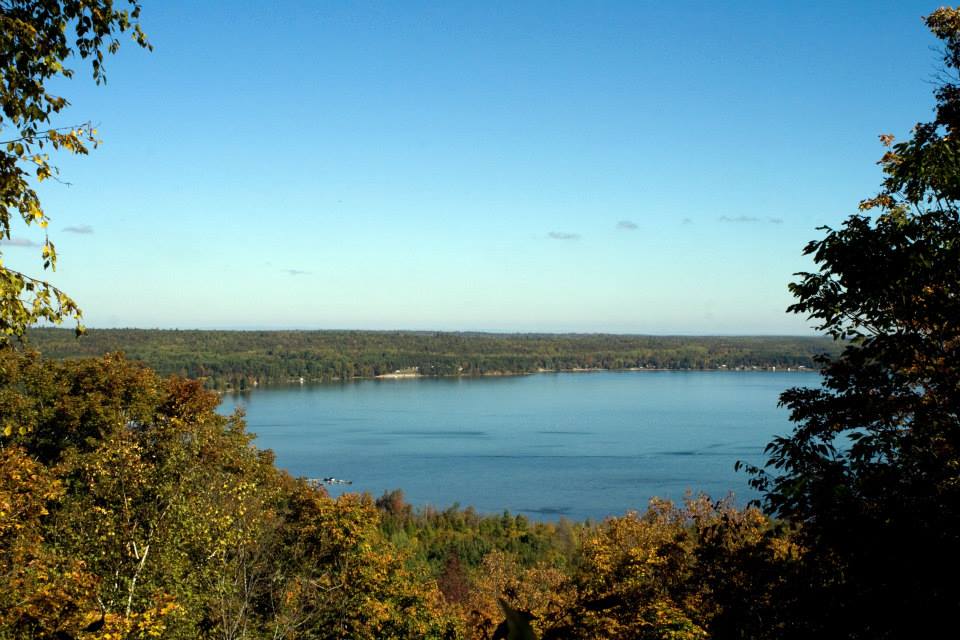
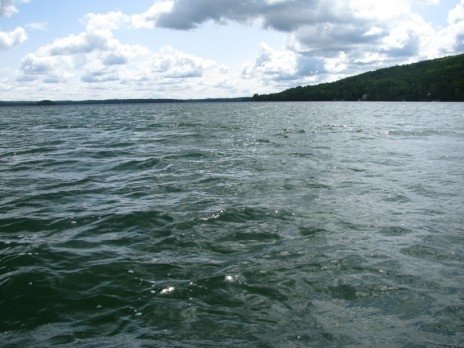
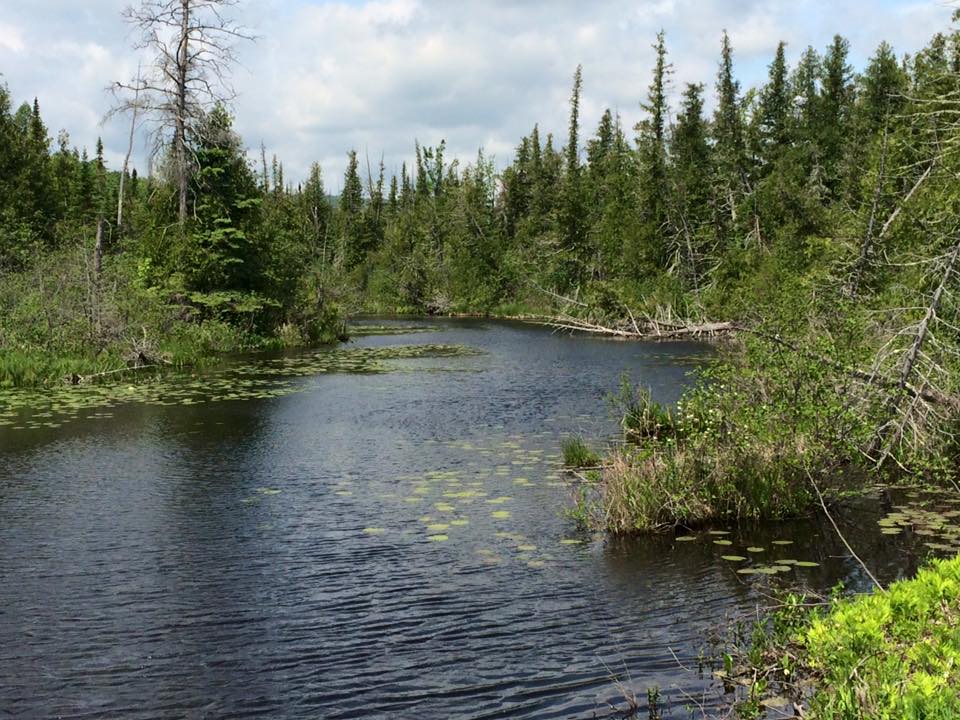
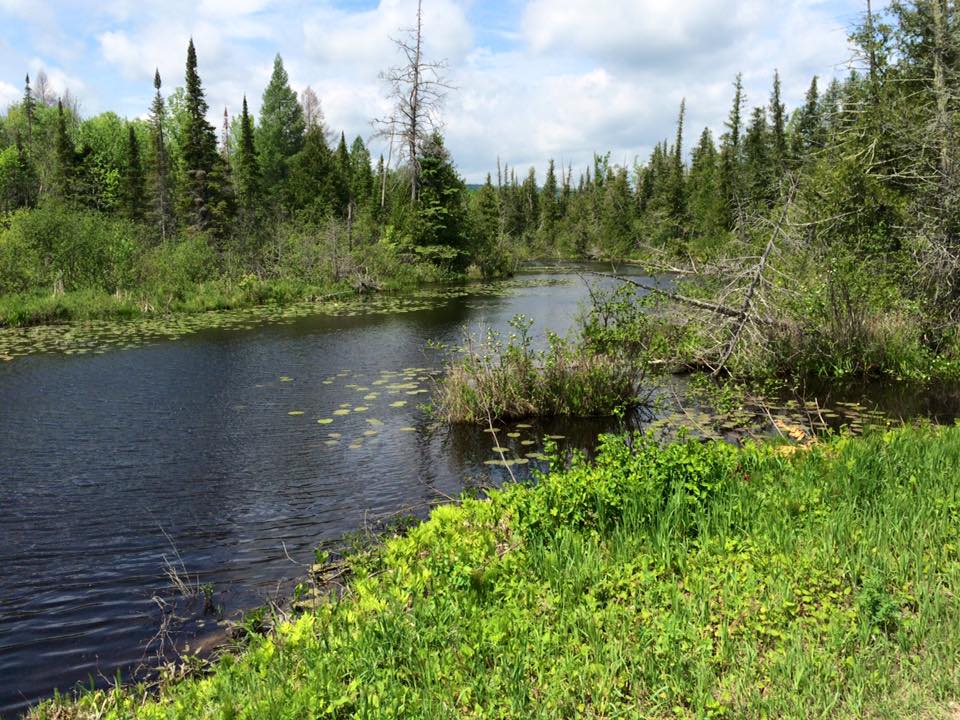
Next we have water. The following pictures will show different bodies of water found near Opeongo Resort, such as Clear Lake and Bonnechere Valley River. Water will look and feel different depending on the source, so it is important to pay attention to it when trying to describe it in writing.


© Linda Little 2015


© Linda Little 2015

© Linda Little 2015

© Linda Little 2015


© Linda Little 2015

© Linda Little 2015

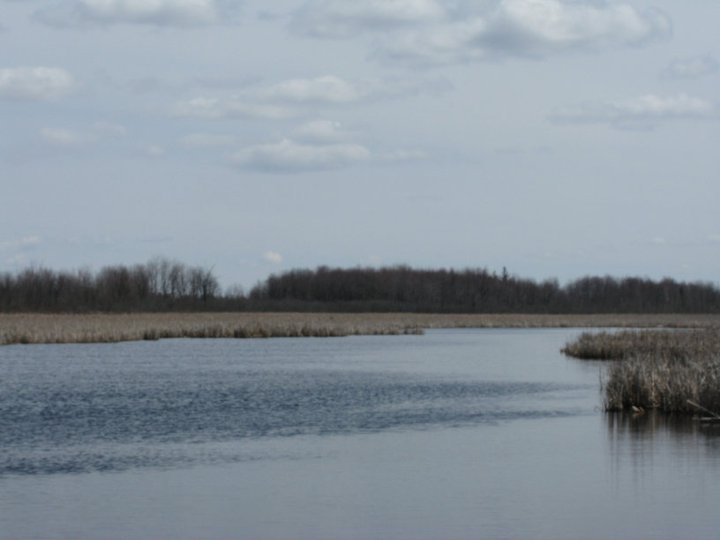
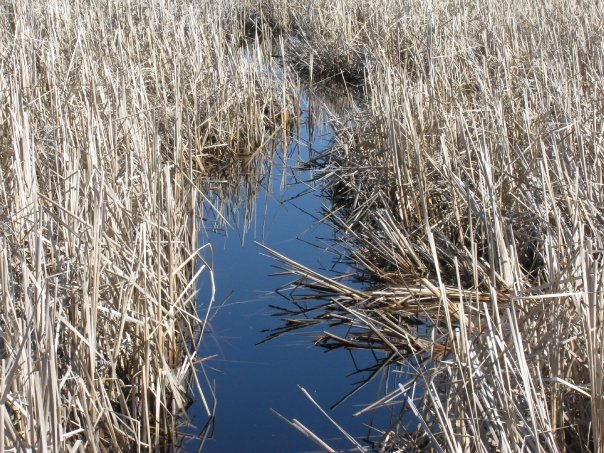
Again, I did not have much variety in these pictures from camping (just one river and one lake), so in order to add a little more contrast, I included a few pictures of a swamp called Mer Blue Bog (photos courtesy of Linda). The pictures help give us a better idea of the difference between standing and cascading water.


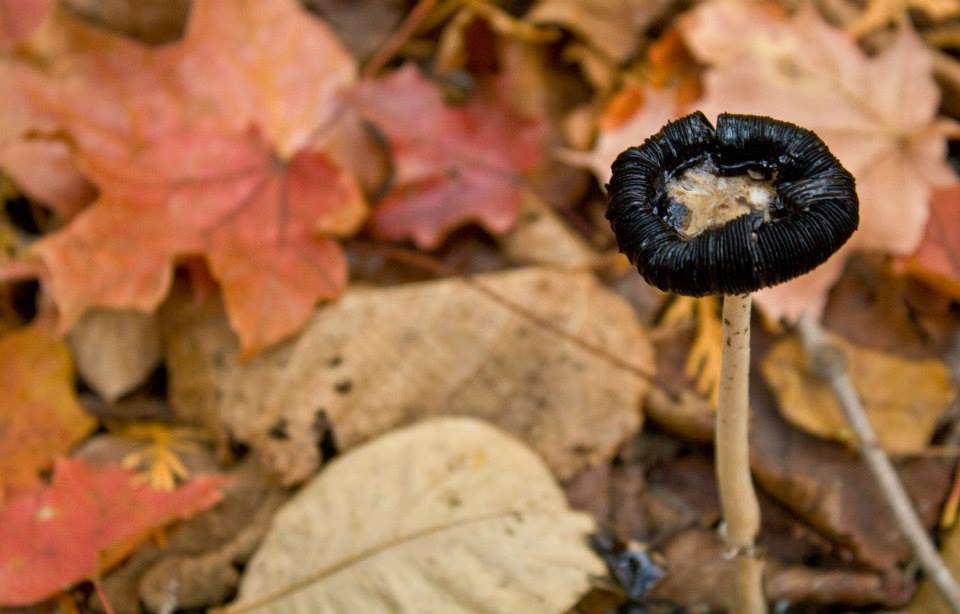
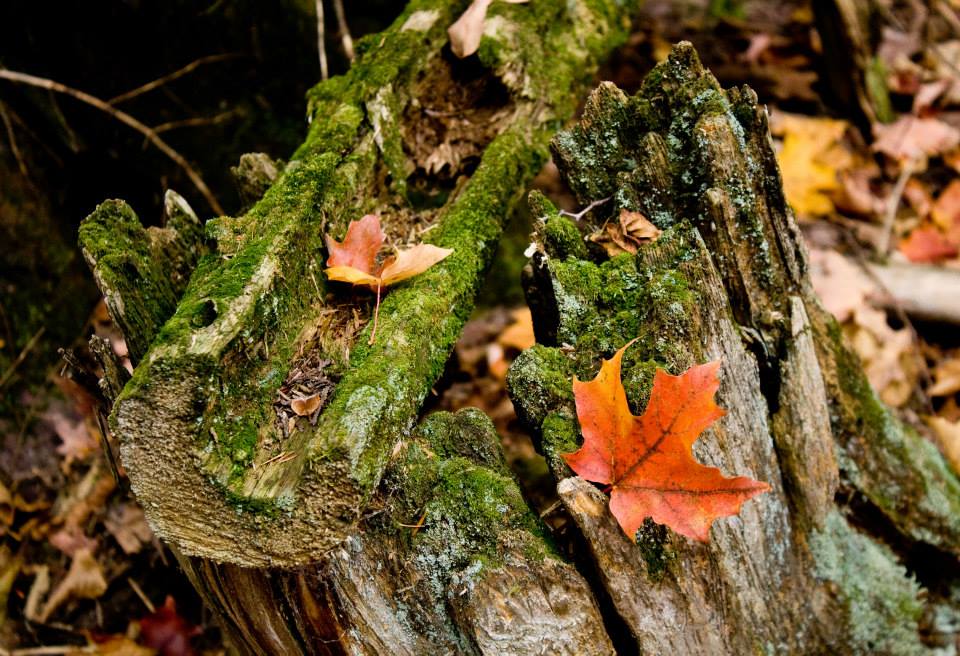
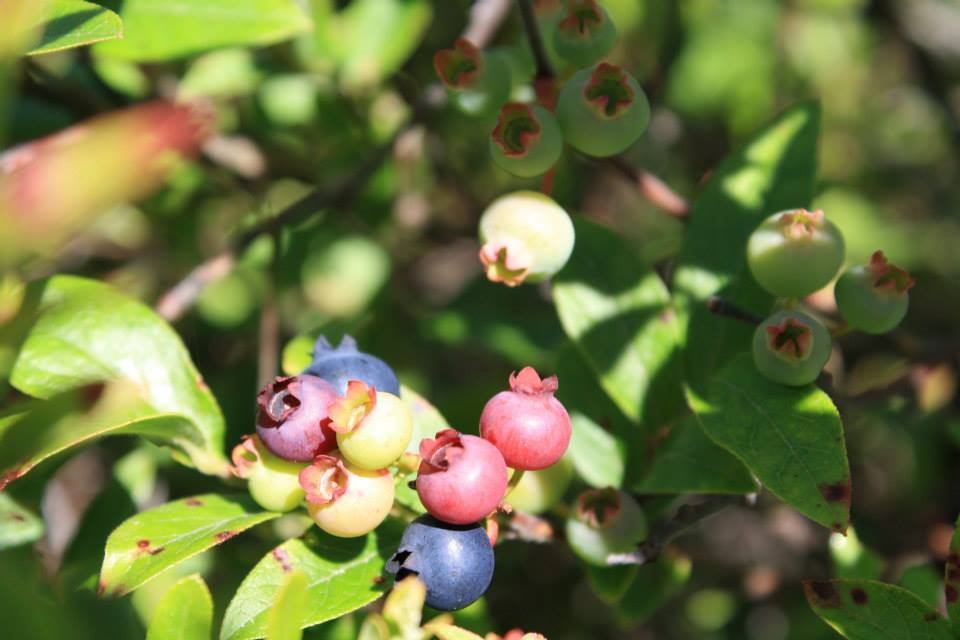
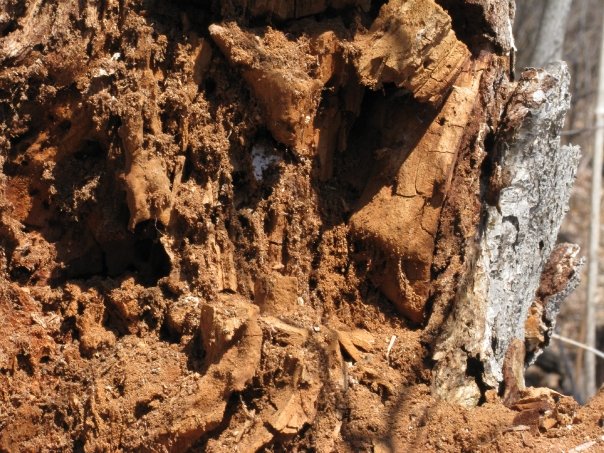
For the last section of this post, I included a few random close up shots. These pictures really help us appreciate the details we can find in nature.


© Linda Little 2015


© Linda Little 2015

© Linda Little 2015


© Linda Little 2015


© Linda Little 2015

© Linda Little 2015


Getting a good feel for describing a forest setting can be important to a large variety of stories, such a Sword & Sorcery type fantasies, Horror stories taking place in isolated settings or Historical tales which happened before the arrival of technology.


That is all for this month's Inspiration post. In closing I would like to thank my wife Linda, for helping me by supplying some of the photos that were used in this post.


Until next time.


Cheers

Patrick Osborne.