Welcome back,
Animals have made their appearance in stories of all genres, playing many different roles. In some stories, animals have proven to be so charismatic, that they are portrayed as the protagonist. Some play the role of loyal companion, and can be used as a plot device to help the progression of the story. Others have a symbolic role, representing an aspect of society or humanity. Lastly, they are used as visual elements supporting the accuracy of historical stories.
This particular article will focus on one of the most popular animals on the planet; the horse (Equus ferus caballus). Humans began to domesticate horses around 4000 BC, and these creatures have been playing a major role within human cultures ever since. Historically speaking, the horse has served in everything from transportation, agriculture, sports and warfare. Their likeness has also appeared in everything from coats of arms in heraldry, religion of many cultures, mythology and even the Chinese zodiac. Furthermore, many products are derived from horses, including meat, milk, hide, hair, bone, and pharmaceuticals extracted from the urine of pregnant mares. There are more than 300 breeds of horse in the world today, developed for many different uses.
In order to properly include horses into literature, I recommend doing some research, as there is a lot of facts to consider. Let us take a closer look at various aspects of this animal:
Physical appearance:
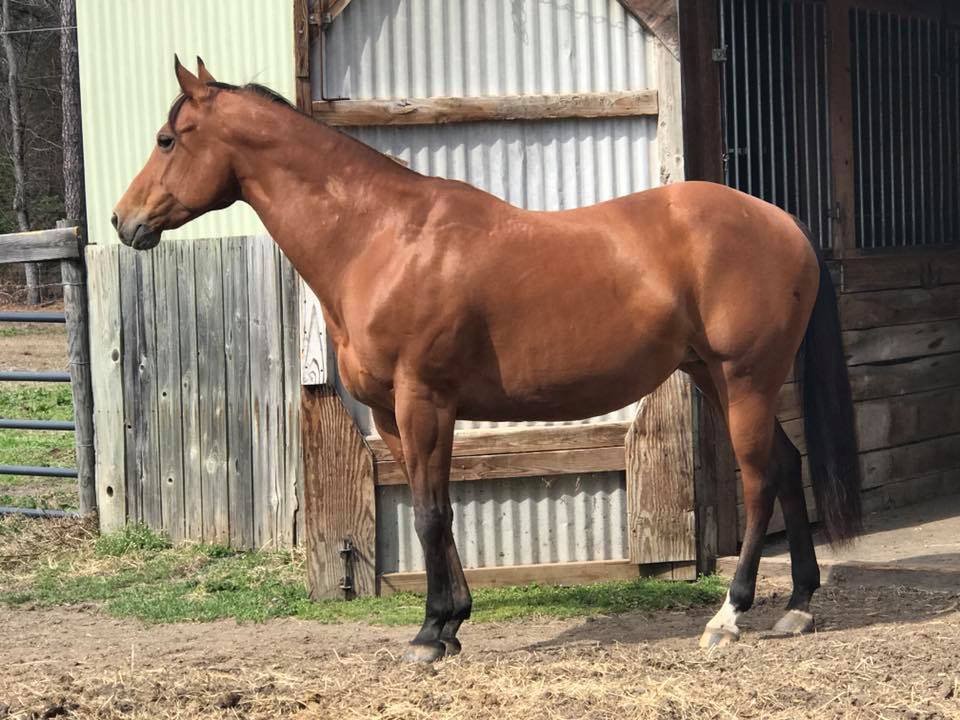
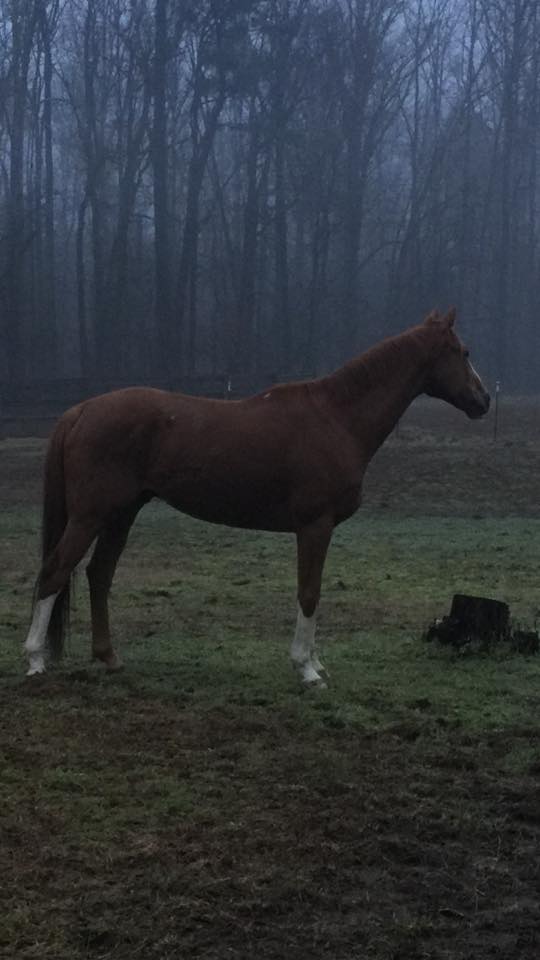
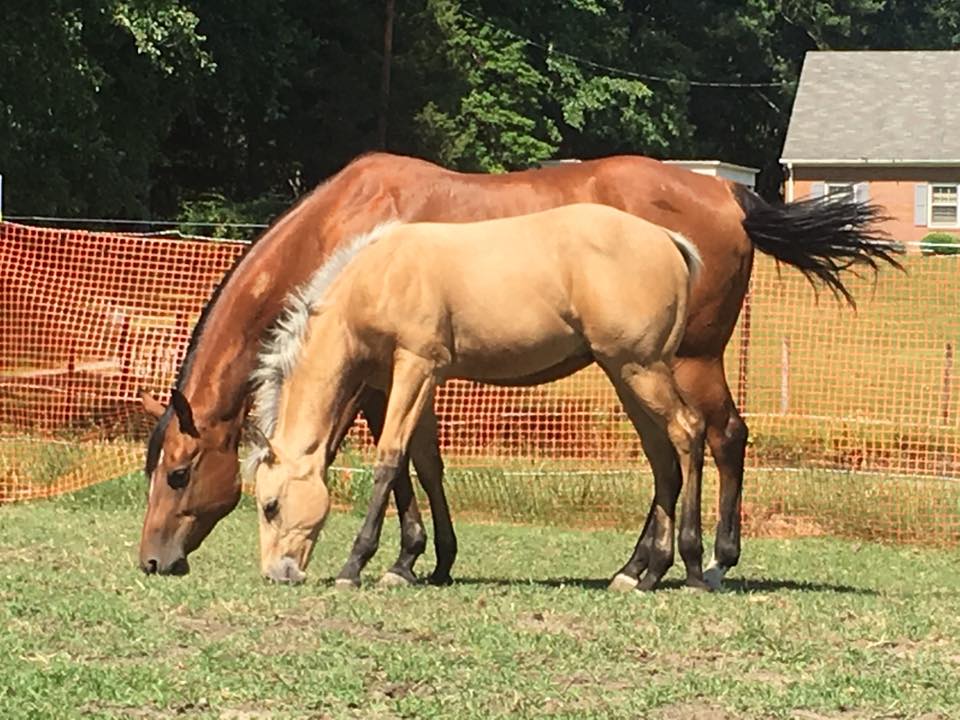
Over the course of their evolution, the horse's anatomy developed several traits to better escape predators. A few quick facts about horses; they have a good sense of balance, can reach speeds in the 40 mph range, have close to a 350° range of monocular vision and are able to sleep both standing up and lying down. Horses reach full adult size by age five, and have an average lifespan of 25 30 years.
©Ashley Blair
©Ashley Blair
©Ashley Blair
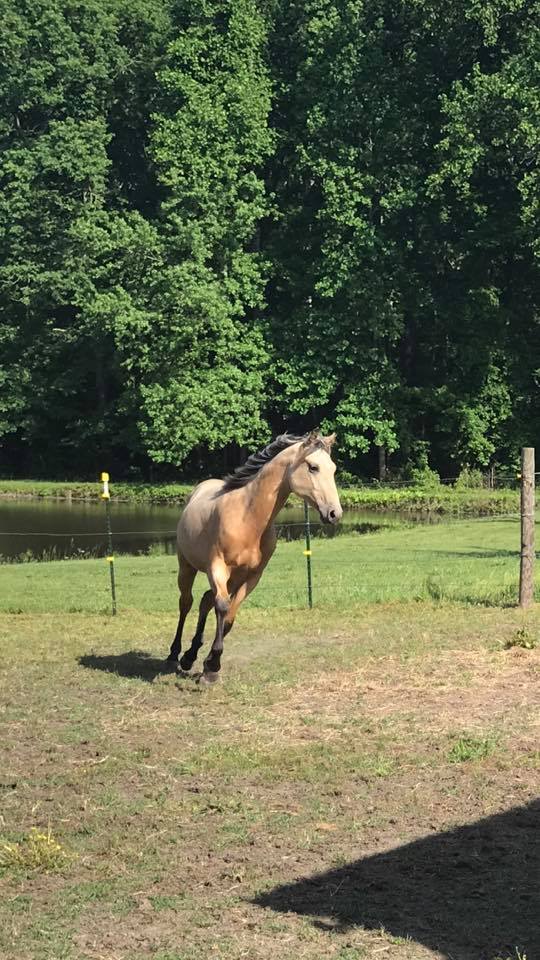
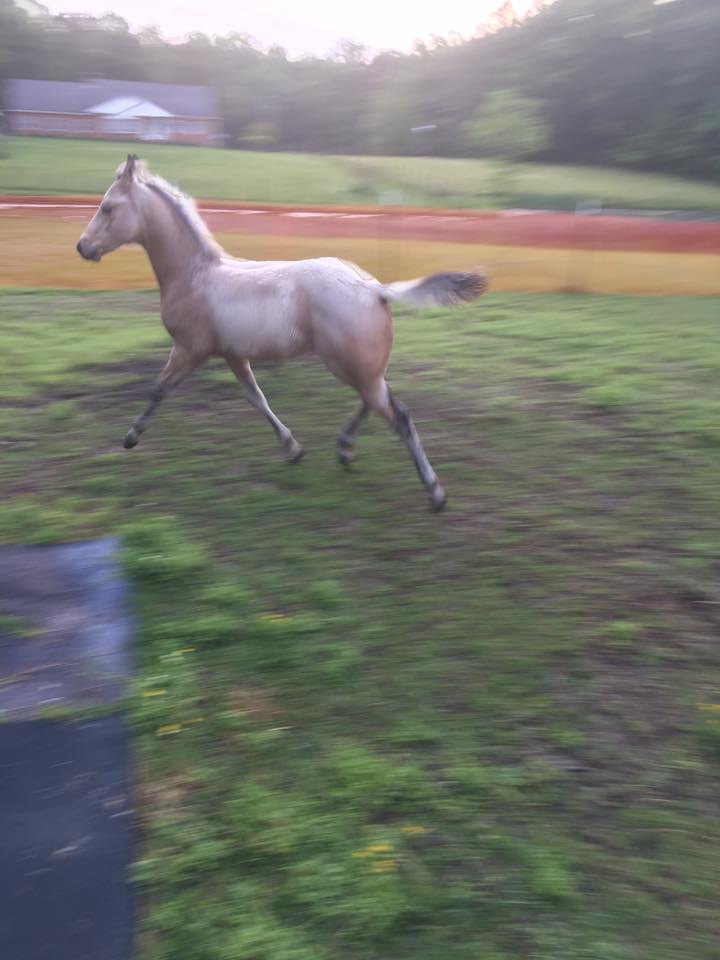
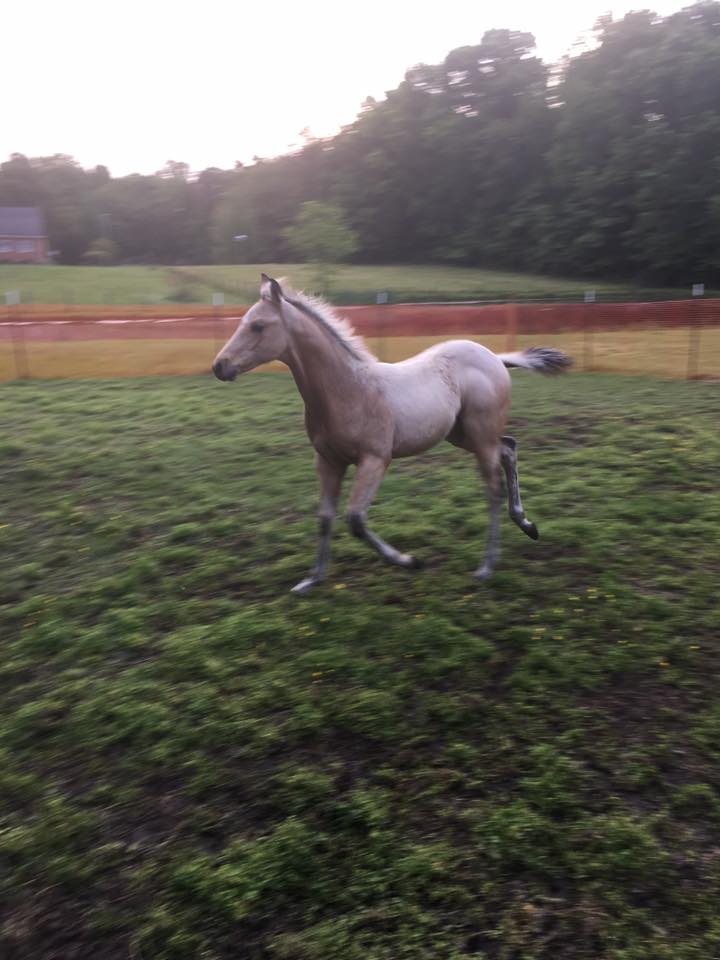
Horses move naturally with four basic gaits: the four-beat walk,the two-beat trot or jog, the canter or lope, and the gallop. Besides these basic gaits, some horses perform a two-beat pace, instead of the trot. There is also several four-beat "ambling" gaits that are approximately the speed of a trot or pace, though smoother to ride. These include the lateral rack, running walk, and tölt as well as the diagonal fox trot. Knowing the difference between gaits will help describe their movement in stories.
©Ashley Blair
©Ashley Blair
©Ashley Blair
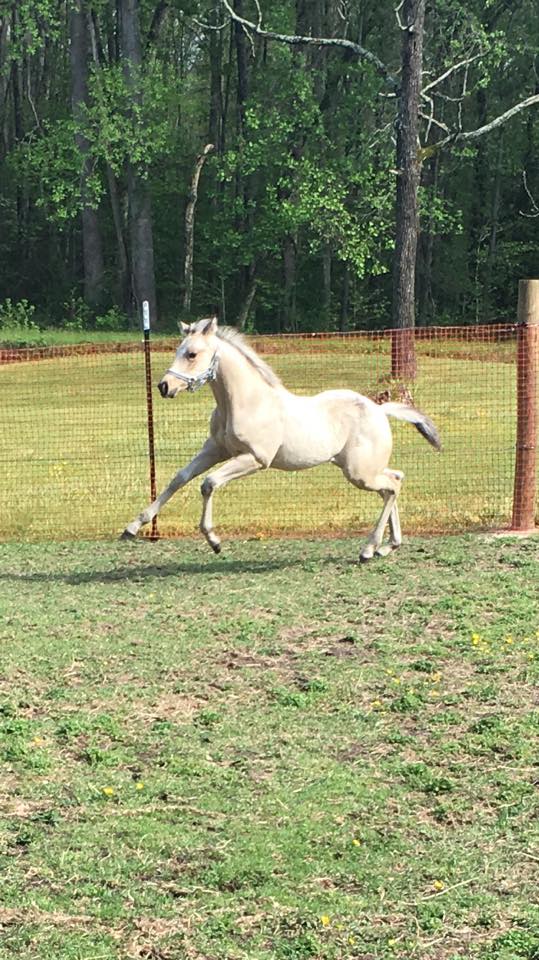
©Ashley Blair
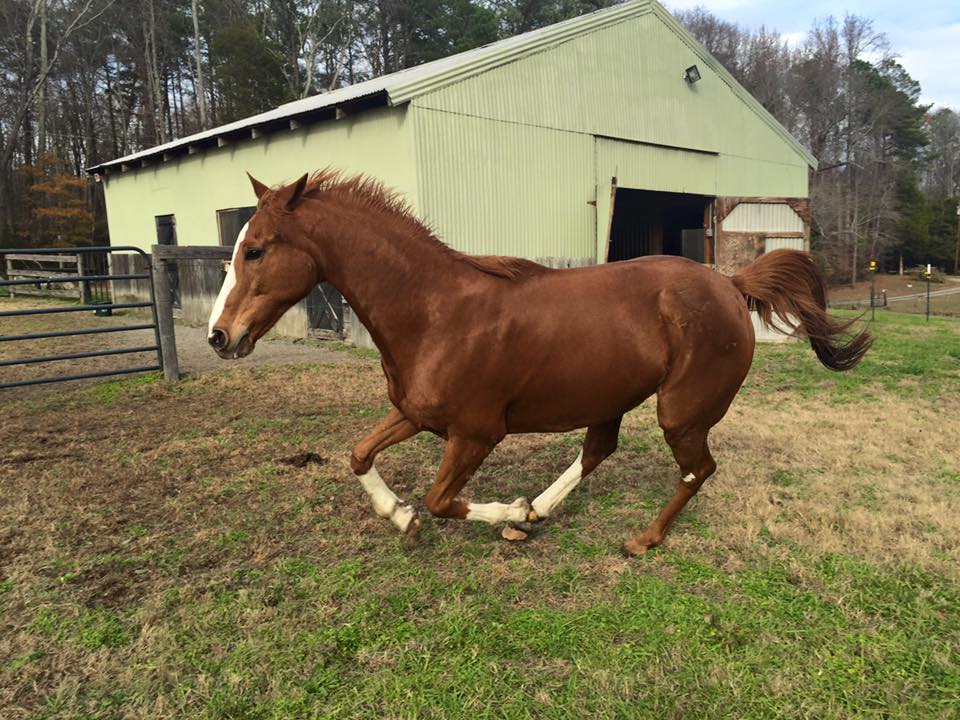
©Ashley Blair
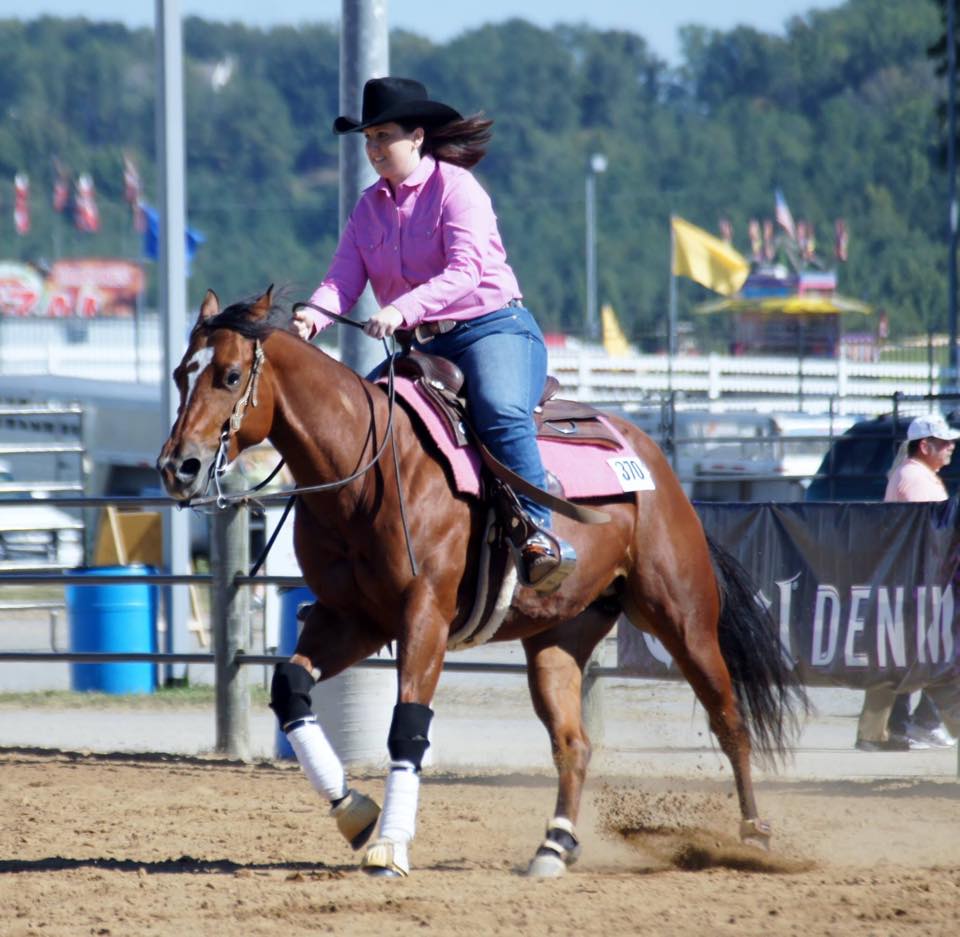
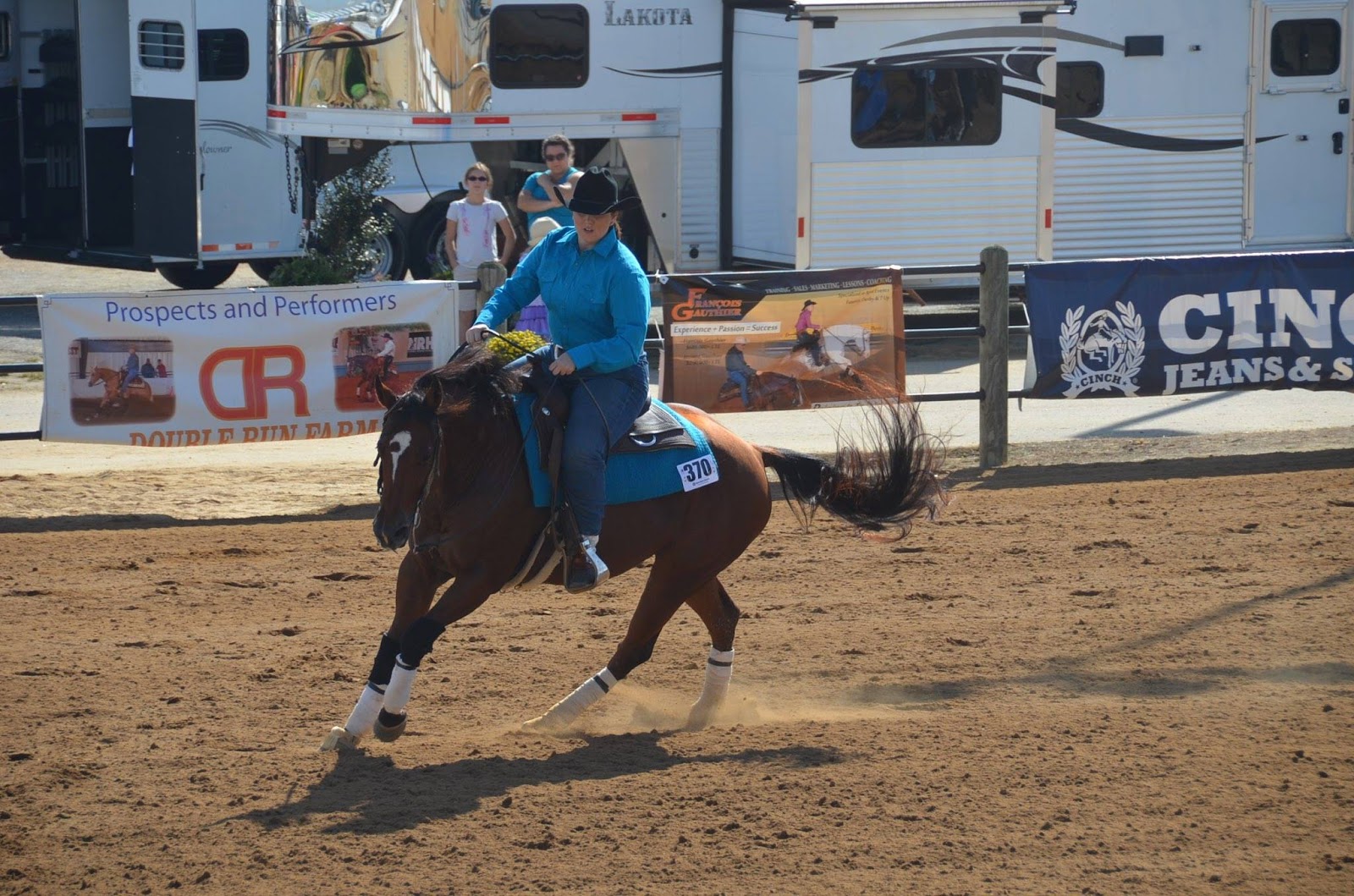
Horses were historically used for transportation, sports and warfare, from which a wide variety of riding and driving techniques developed. Using different styles of equipment and methods, equestrians honed their horsemanship skills, focusing on control and balance of both horse and rider.
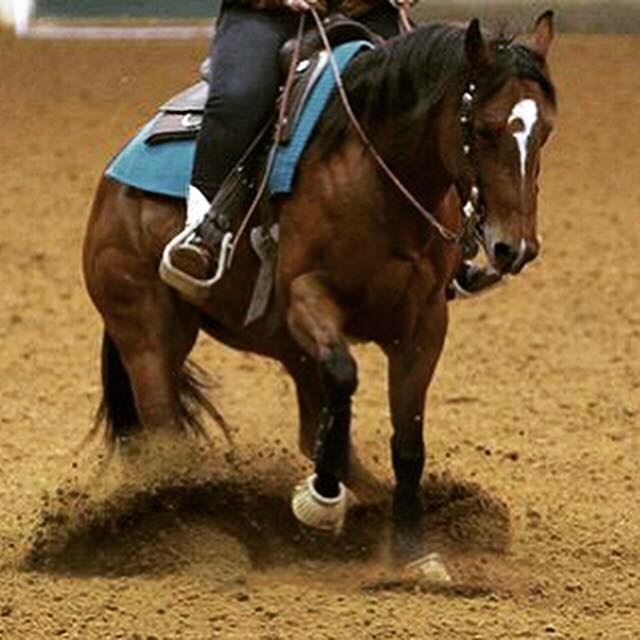
©Ashley Blair
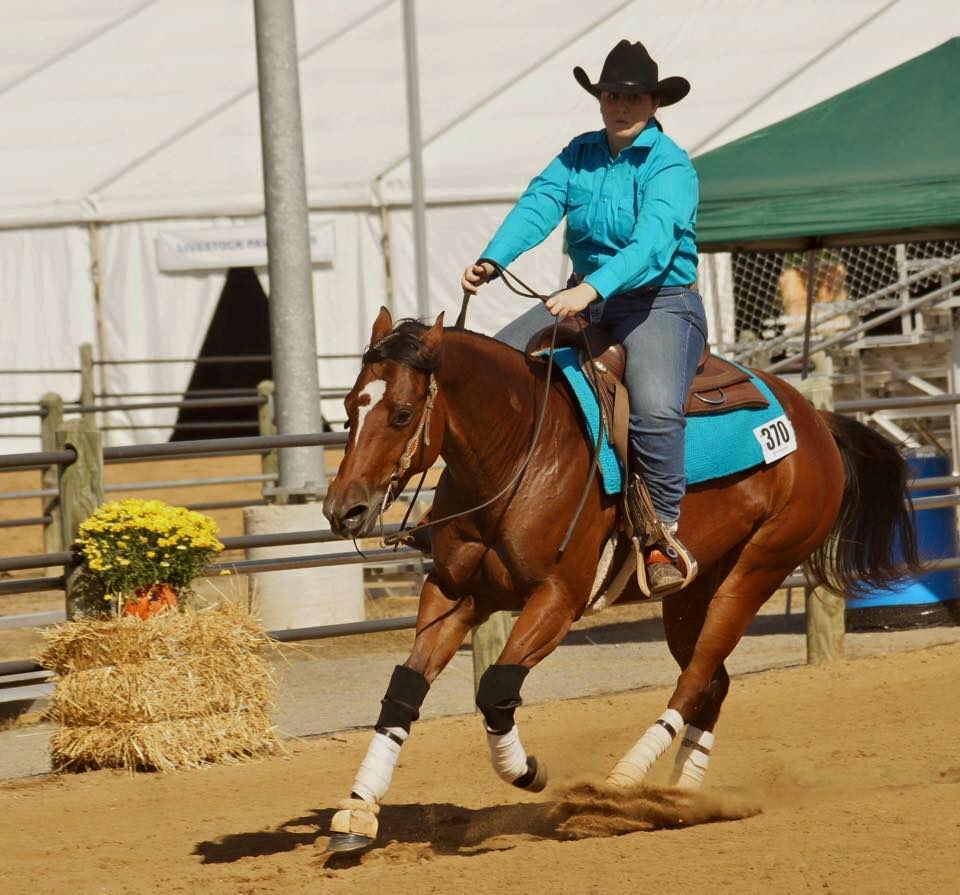
©Ashley Blair
©Ashley Blair
©Ashley Blair
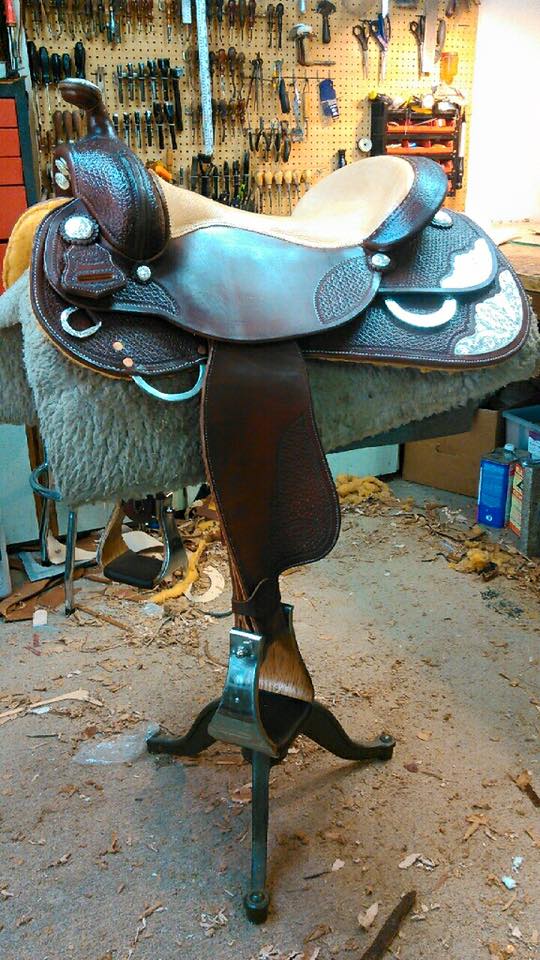
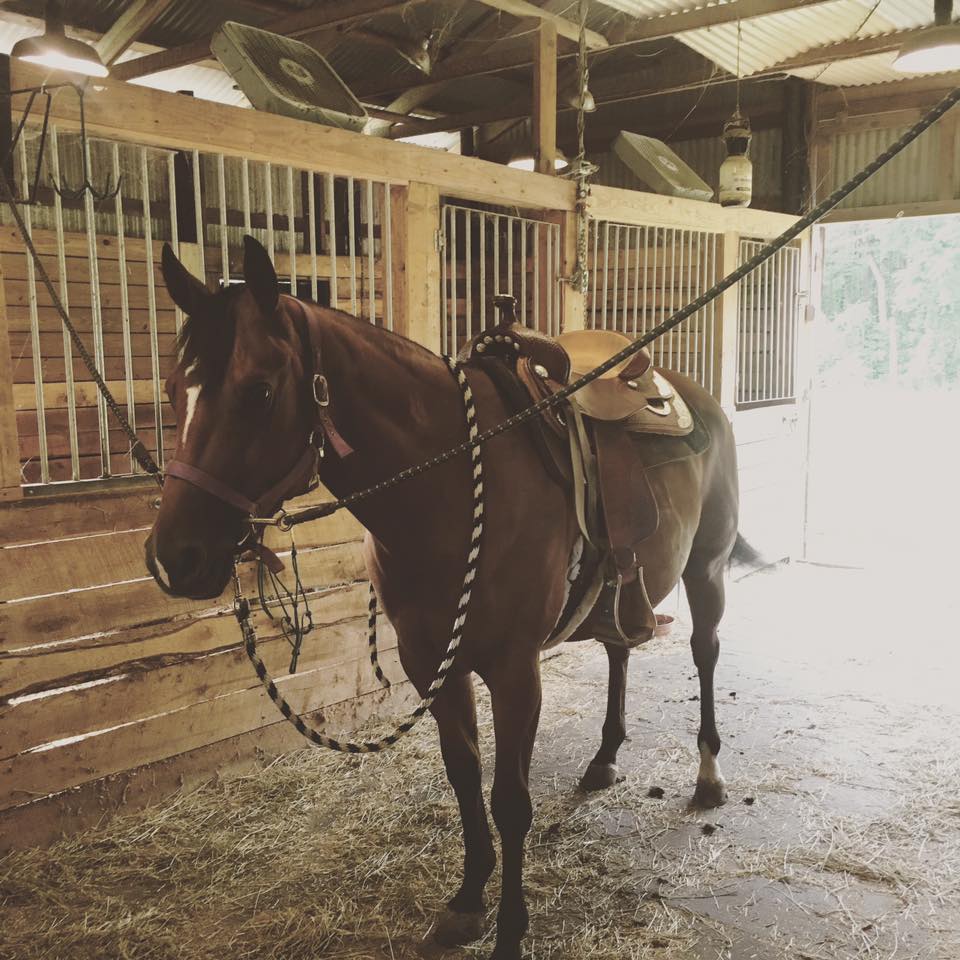
The proper equipment is paramount for communication between rider and mount. Horses are usually ridden with a saddle on their backs to assist riders with balance and positioning. A bridle or related headgear is used to assist the rider in maintaining control over the animal. Many horses are also driven, which requires a harness, bridle, and some type of vehicle (example: carts, wagons, carriages or chariots).
©Ashley Blair
©Ashley Blair
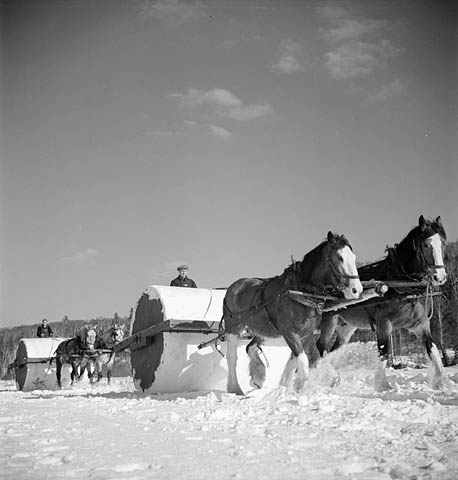
Source: Library and Archives Canada/Credit:Ronny Jaques/National Film Board of Canada Fonds/e000762521. ©Public Domain
Humans provide domesticated horses with food, water and shelter. This could be useful when describing the setting in storytelling, using examples such as barns, enclosures or pastures.
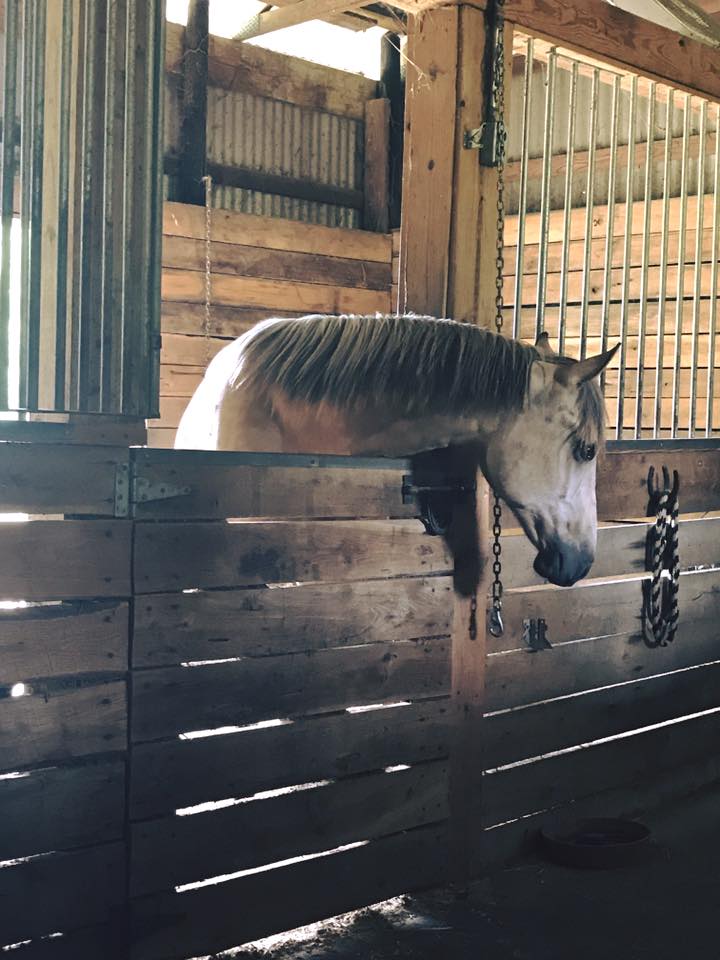
©Ashley Blair
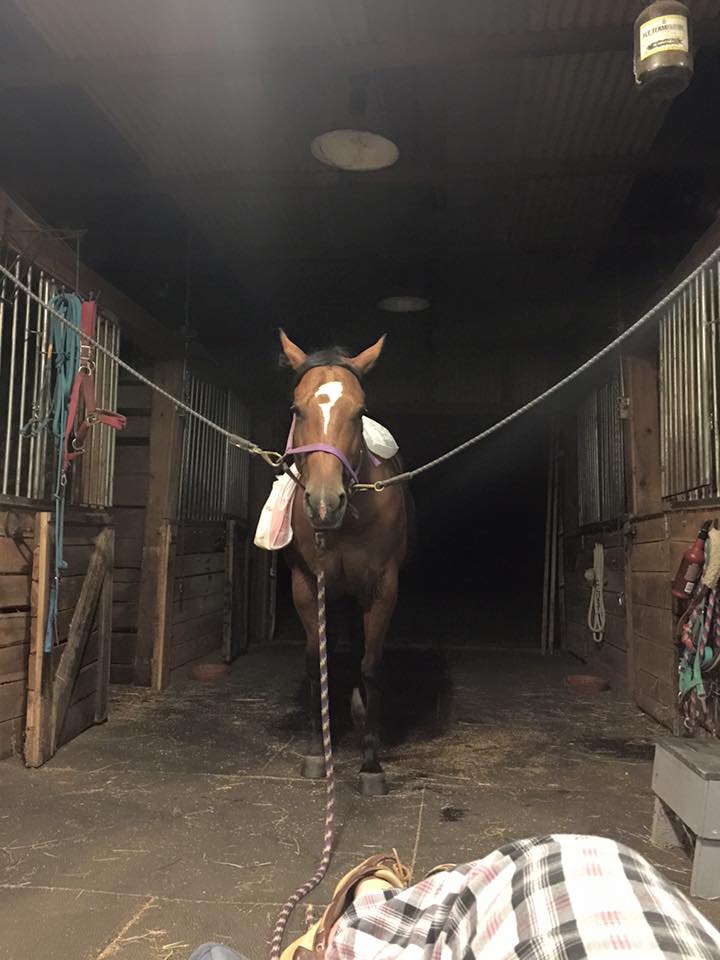
©Ashley Blair
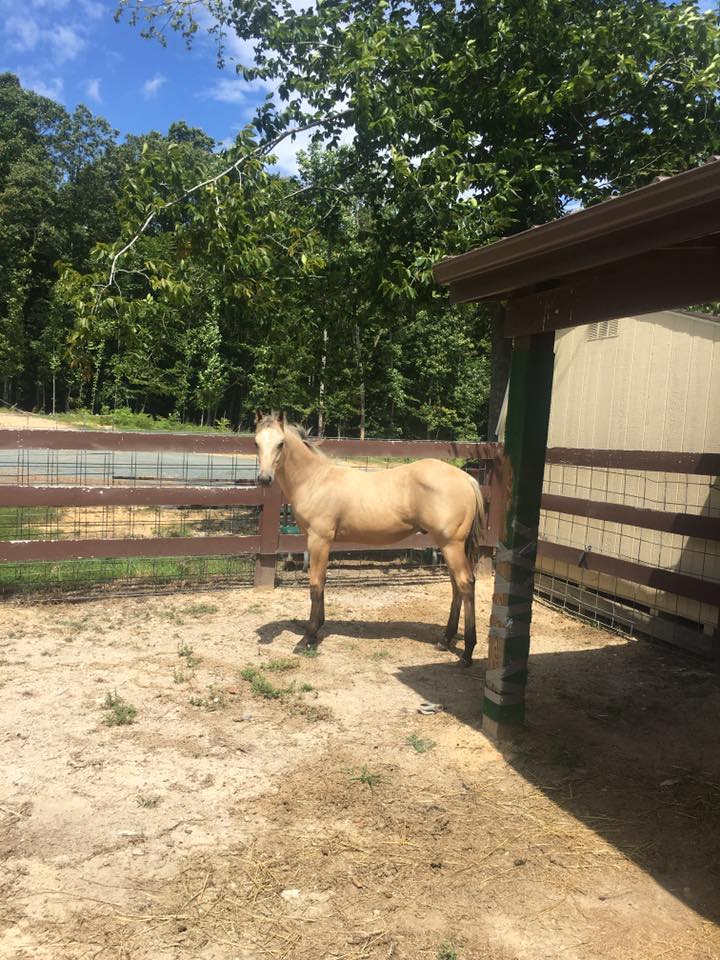
©Ashley Blair
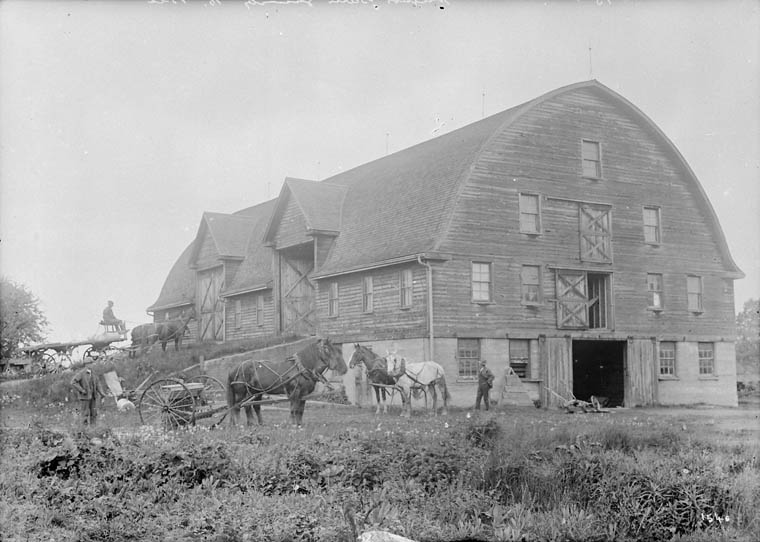
Source: Library and Archives Canada/Topley Studio fonds/a009677. ©Public Domain
Although mechanization has largely replaced the horse in modern society, there are certain jobs that still require them. For example, law enforcement officers such as mounted police, search and rescue organizations, park rangers or game wardens still use horses as they are effective for certain types of patrol duties and crowd control. Cattle ranches still require riders on horseback to round up cattle that are scattered across areas of rough terrain where vehicles are less effective. Horses and humans interact in a wide variety of sports, both competitive and noncompetitive recreational pursuits. They may also be the only form of transport allowed in certain wilderness areas, as horses are quieter than motorized vehicles and do not disrupt terrain as much. Horses are still being used today for agriculture practices, such as cultivating and logging. And obviously, horses are still the preferred form of transportation in areas of rough terrain where motorized vehicles are ineffective.
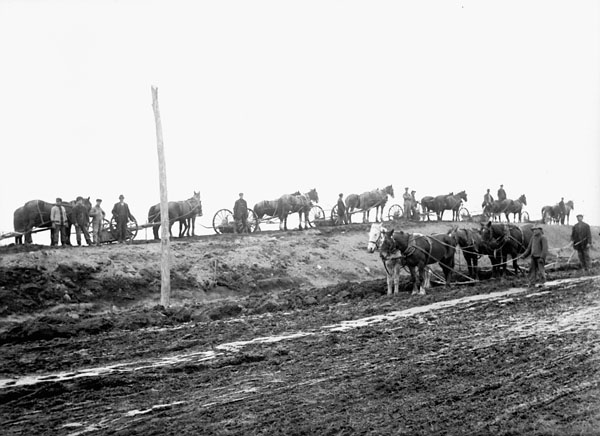
Source: Library and Archives Canada/Topley Studio fonds/a013052. ©Public Domain
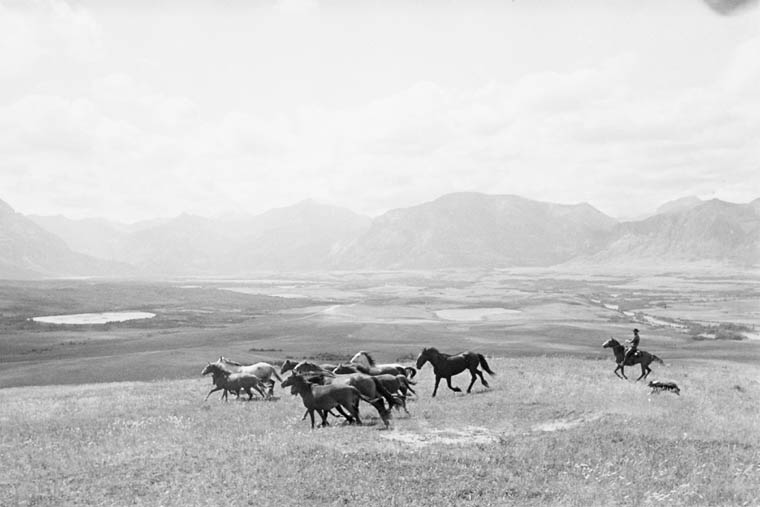
Source: Library and Archives Canada/National Film Board of Canada Fonds/a157798. ©Public Domain
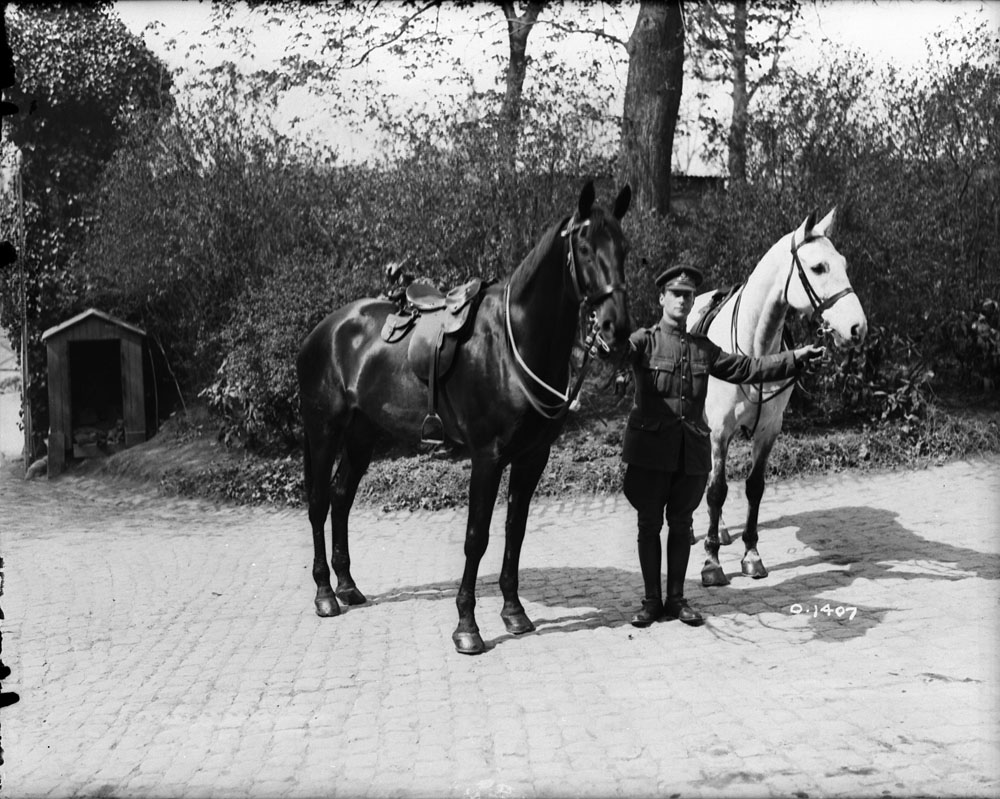
Source: Library and Archives Canada/Ministry of the Overseas Military Forces of Canada fonds/a001310. ©Public Domain
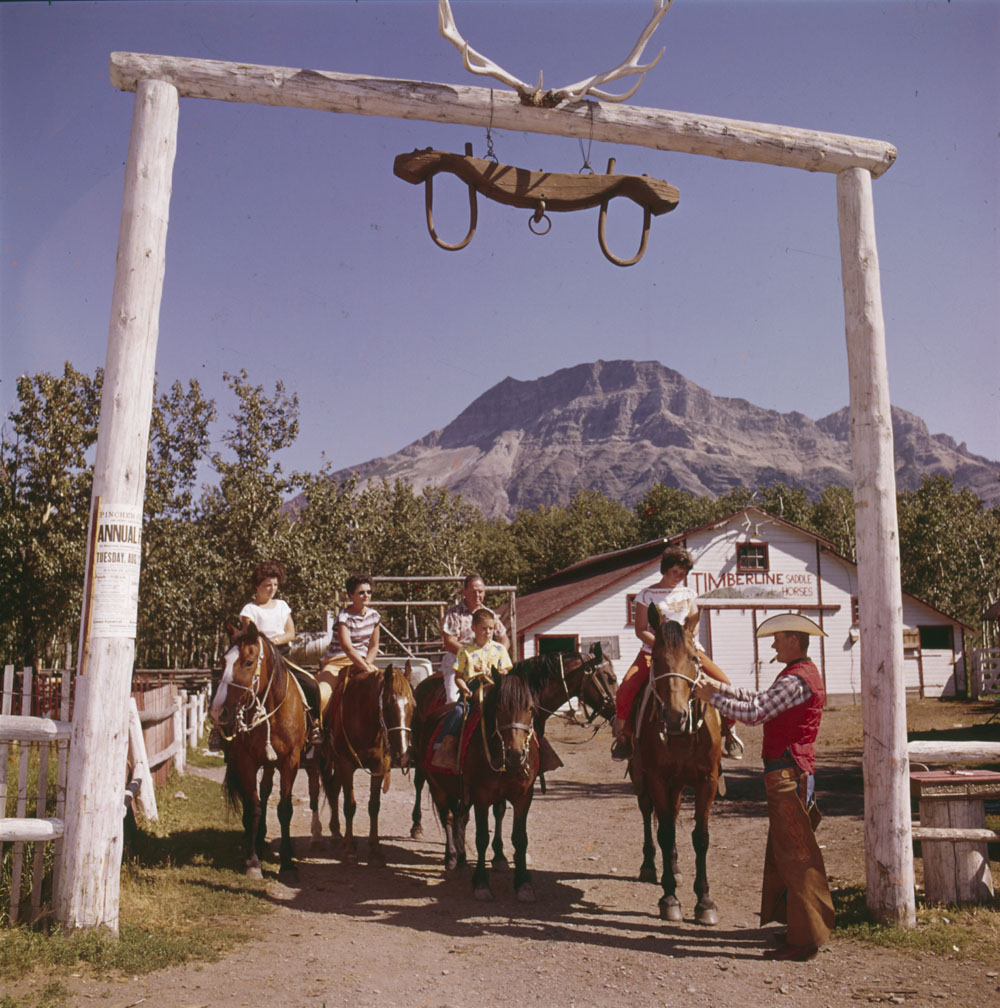
Source: Library and Archives Canada/National Film Board of Canada Fonds/e010976130. ©Public Domain
As you can see, learning as much as you can about horses can be especially beneficial for a writer looking for inspiration. Maybe you need references for a story taking place in the wild west, a secondary character helping a protagonist in a fantasy or maybe clues for a murder/mystery.
That is all for this month's Inspiration post. I hope you enjoyed it and managed to learn something in the process. In closing, I would like to thank each of you for dropping by, it is truly appreciated. I would also like to extend a special thank you to Ashley Blair, for providing most of the source material for this article.
Until next time.
Cheers
Patrick Osborne.

![IMG_2436[1].JPG](https://lh4.googleusercontent.com/vF11IhXct661rMXLkqFYqodqKqlgFGue98CAUTNLrjNHI9GPERTUU_FquqCwftJowPl3cKypGy6eY8SDaVyR5czqd5y85A81h9_Kwzu8Mbt2ngD4UzG3tfW2F7W_MBajElWR-3im)
![IMG_2437[1].JPG](https://lh4.googleusercontent.com/mv9szNLiu6SrKHwV-g29A8aBQRwtsFzLBzJMVgyO5eRlcumWj5nnZFgCTdUK_Rdc0fhLjJGDNZFLGlEIdPYC3i6F-etYFPqo9klPsT8Kb6nSdjjee_fR8ZseHratuIO0XycewBN2)
![IMG_2438[1].JPG](https://lh4.googleusercontent.com/k_e3fDEA4acg3Gzun9iX5x_kxaRgYSIj-ATzhlyTgqbHX4gzGuaQsJZMGVqAYHxRFh06Vkbs3C8CjFJ6OVk0h2o0DcLB4RAnC63s93RTesj6mc0EspzyJ08ARlLewo282TUyfI9k)
![IMG_2439[1].JPG](https://lh3.googleusercontent.com/4usLnxOoAAlQzz3e1CALYguEp8_lU7veQukTkWYDK75H31bJNQLmB_eCQHwZvCIHkW_Dy8f8j74C2M59NuJZ0YNk4hpKr1SivzlNDtb6XNNoHP6dJfIPKndnJrPRs89GhBBFLW73)
![IMG_2440[1].JPG](https://lh4.googleusercontent.com/TsFkNuq60Vud-99yyXIuHGPFuLABLiM009c6HcZvk53GrByXItcYHz--iCWJprDy_hzDGmdx7mw2o3zFVFkRSGi5Dmz1UaSwECRimDGUzDGSS6Cs6-6UwbVJkRSCinCUeHx7CxgU)
![IMG_2441[1].JPG](https://lh3.googleusercontent.com/6rp6aoxUp_pVoX0HCe1cK395-TRi9DSEGlmIGihCcoSQBi_OFs7toZMR746wL1tWyUnM0_RKP3hF8J8KicqiHaJIMK7gbpsOusL1v-cO3zDhCnqqVyOmMFQVxRzrgDYnIIzR_FNm)
![IMG_2442[1].JPG](https://lh6.googleusercontent.com/SFo_BVbNIWo7ydo1acc8cz4XB2mmb40aHw0kDtgpui2Ine_bP9pksYNx6QFaCOgVvqnxvEArohuRAol1C2QFXOv4OsiJeF2C1oaH3Sdfcog5fKy-oGO27OKcJLud-CZFgZU9qxOm)
![IMG_2443[1].JPG](https://lh6.googleusercontent.com/c5XD0mtvko7IpN8czvlnFr8DperNaCQT6-mVZVXNc6-Uh3bfap0eXidZF7nEfyxG-qMyzS6QMD_wVIbM3Ls1en6ULO2hmBWUDrwVX12GwdY8vyr-JHdZXeOHr-wGpa8oBGIRIjjh)
![IMG_2446[1].JPG](https://lh3.googleusercontent.com/FBmQXYDLTXHbyZCYfW8exbIxNeBhz1vzbwYRekTA2W3MnZpUZt7VEjLhkS_oCsNs5ax6_LOBntvOj2zwXHipJ5oJbw4iZRZjANHxN8fYK6EbBYQFx_B5qttMKg4ROHvu5rDvVuHE)
![IMG_2447[1].JPG](https://lh3.googleusercontent.com/_5F_TJ9C1VFE7Ka1Bcxusebb5-RxIbEt5JiERFBgadZbY8d3mNQsta91fMCsGjuwQTzRxD3TJrNWKiAy31g6AWaMRcHh3_V0sJiIv3qb-TJiGDKCQgY9RMDX8Bo3xn96TGKOiUVK)
![IMG_2450[1].JPG](https://lh3.googleusercontent.com/271yguD9XpK4G210inpMYvf3WUOaDcxXoZ86mC0dgeBo4SsqfgcnokqKix-vRyIY05iZHp0g3jCB24jrSkUFs7ynHJiiNqyhSabsxxwBzvioZrRMJG9Rkj57L73vU-F_F_RfsPhW)
![IMG_2451[1].JPG](https://lh6.googleusercontent.com/iRYoXVmvrag384zv71UNhPkbvdceVaJr4Uh7egnMlT5UCU8TX6cyAzr8JLKW_9mlfMv3mTG3PZn3Uhr1E9UjKi2mSuqGb97-BK5iEQTioaQ41gyB0jftKflJTQoTqFplfxPVtE3o)