Welcome to my blog!

Welcome to my blog! This is my journey, my first steps into the world of fictional writing. This blog is an online journal of sorts, where I share the progress of my work as well as what I have learned along the way. I hope you enjoy your time with me and that my experience may be of some use to you.
Showing posts with label wildlife. Show all posts

Tuesday, July 25, 2017

Inspiration part 20 - Horses


Welcome back,
 
Animals have made their appearance in stories of all genres, playing many different roles. In some stories, animals have proven to be so charismatic, that they are portrayed as the protagonist. Some play the role of loyal companion, and can be used as a plot device to help the progression of the story. Others have a symbolic role, representing an aspect of society or humanity. Lastly, they are used as visual elements supporting the accuracy of historical stories.
 
This particular article will focus on one of the most popular animals on the planet; the horse (Equus ferus caballus). Humans began to domesticate horses around 4000 BC, and these creatures have been playing a major role within human cultures ever since. Historically speaking, the horse has served in everything from transportation, agriculture, sports and warfare. Their likeness has also appeared in everything from coats of arms in heraldry, religion of many cultures, mythology and even the Chinese zodiac. Furthermore, many products are derived from horses, including meat, milk, hide, hair, bone, and pharmaceuticals extracted from the urine of pregnant mares. There are more than 300 breeds of horse in the world today, developed for many different uses.
 
           In order to properly include horses into literature, I recommend doing some research, as there is a lot of facts to consider. Let us take a closer look at various aspects of this animal:
 
Physical appearance:
 
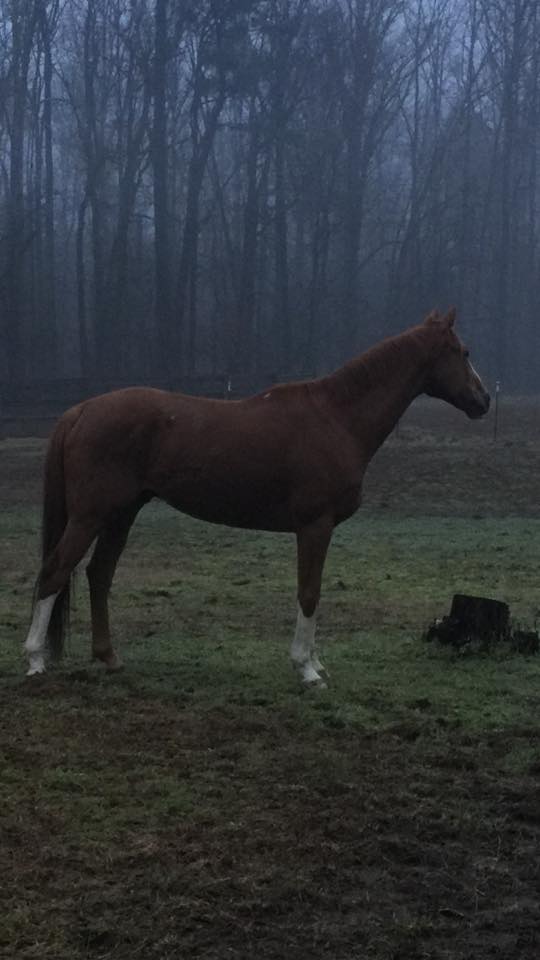
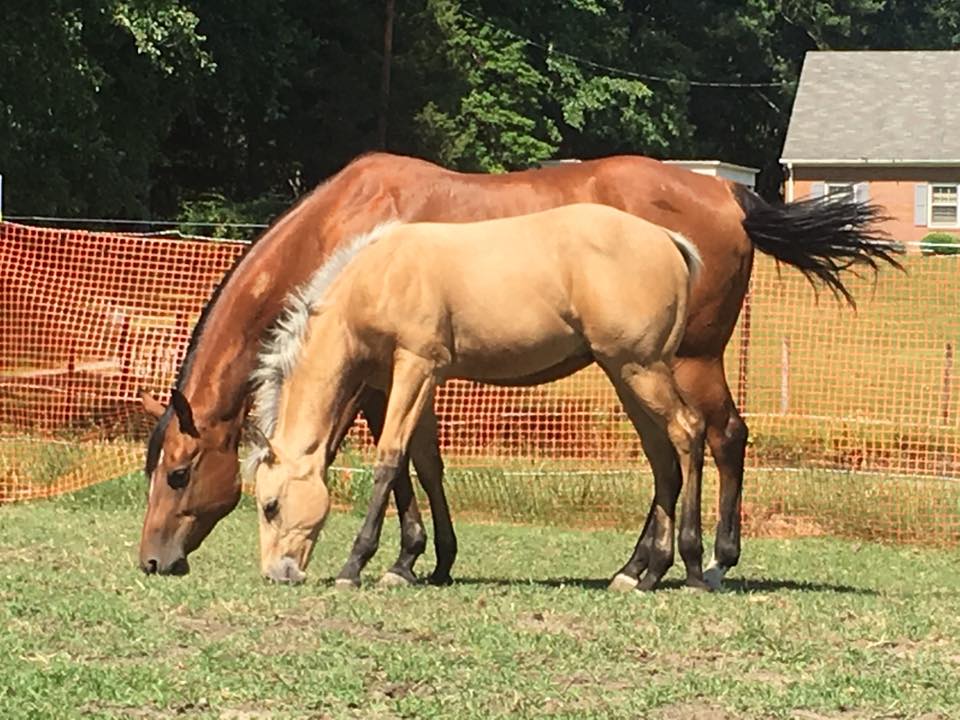
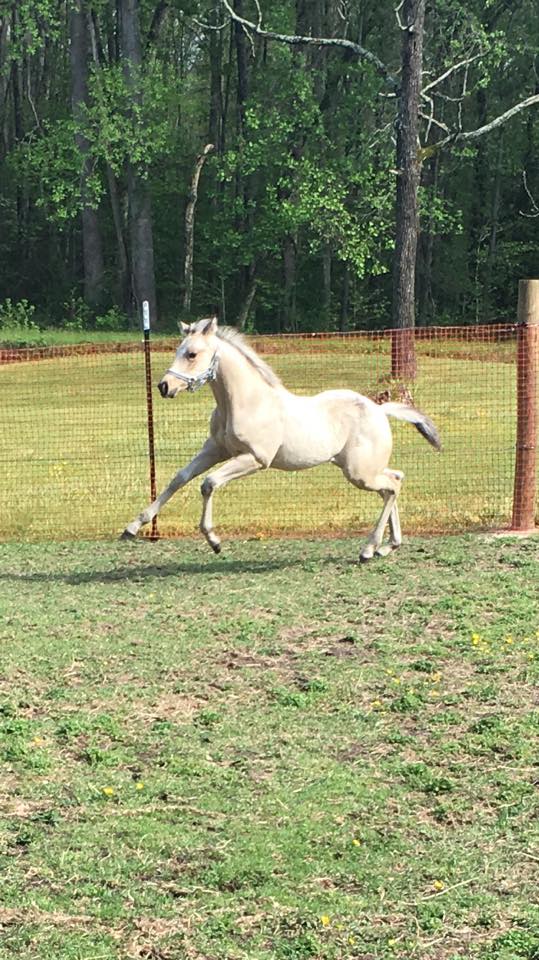
Over the course of their evolution, the horse's anatomy developed several traits to better escape predators. A few quick facts about horses; they have a good sense of balance, can reach speeds in the 40 mph range, have close to a 350° range of monocular vision and are able to sleep both standing up and lying down. Horses reach full adult size by age five, and have an average lifespan of 25 30 years.
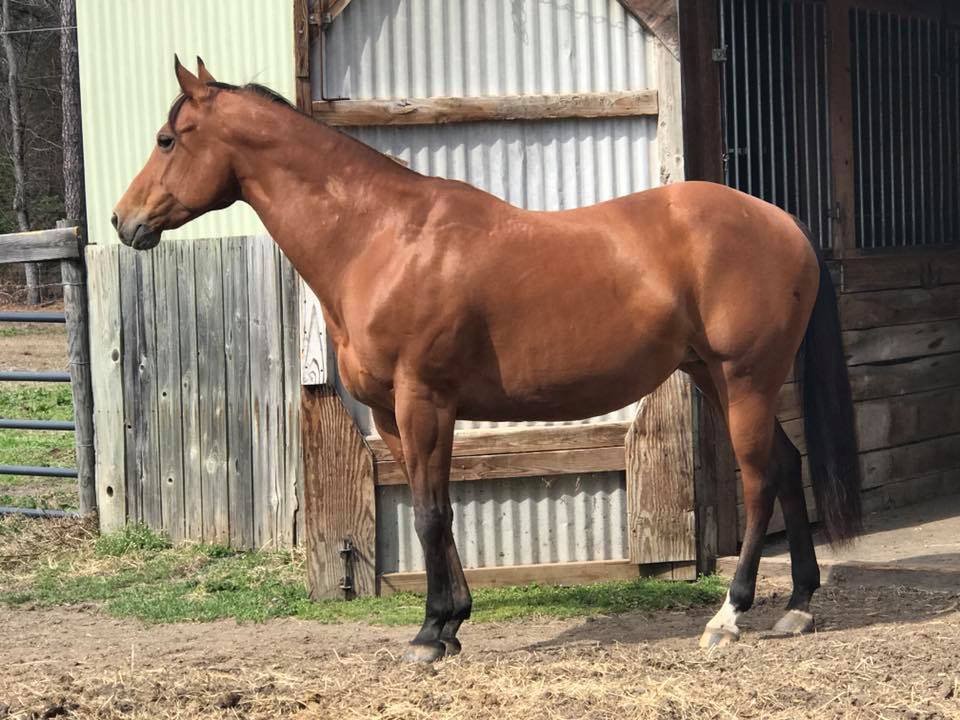
 
Image may contain: horse, sky and outdoor
©Ashley Blair

No automatic alt text available.
©Ashley Blair
 
Image may contain: horse, sky, outdoor and nature
©Ashley Blair
 
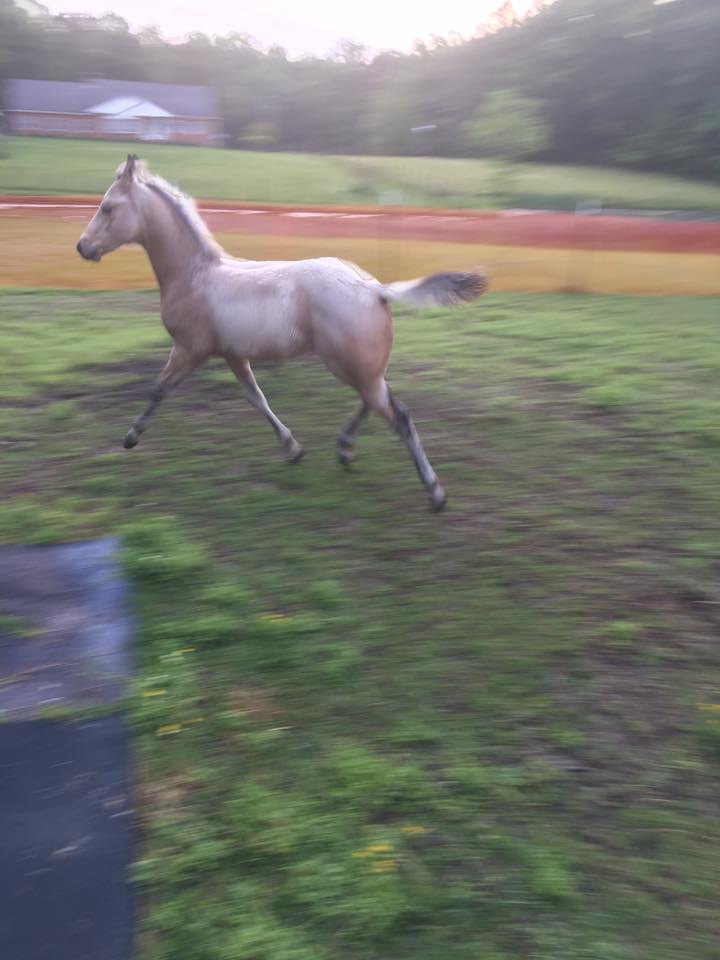
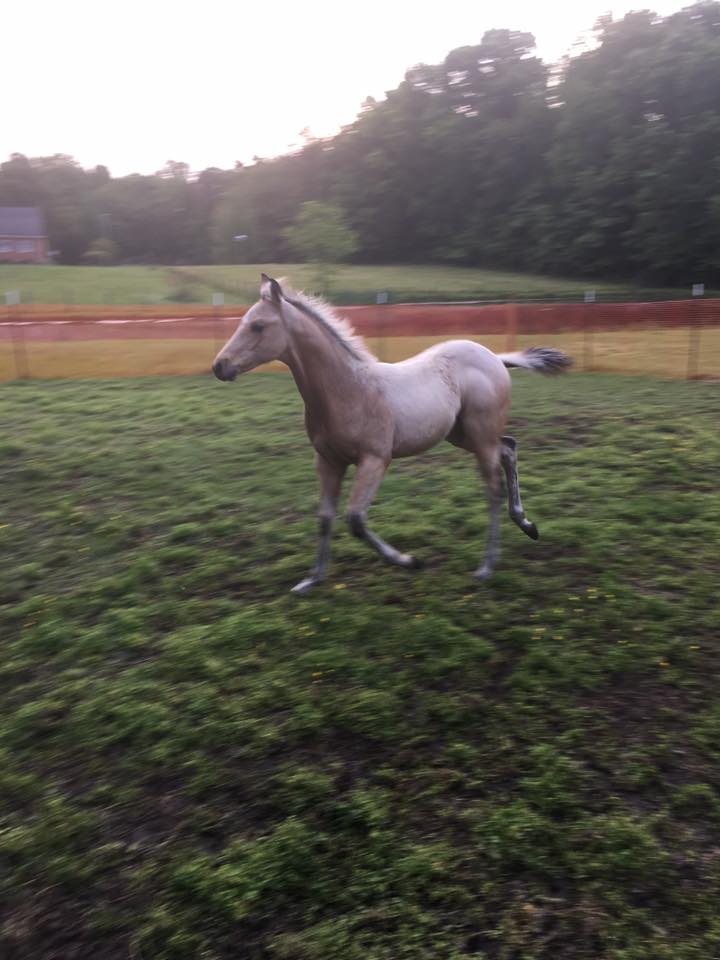
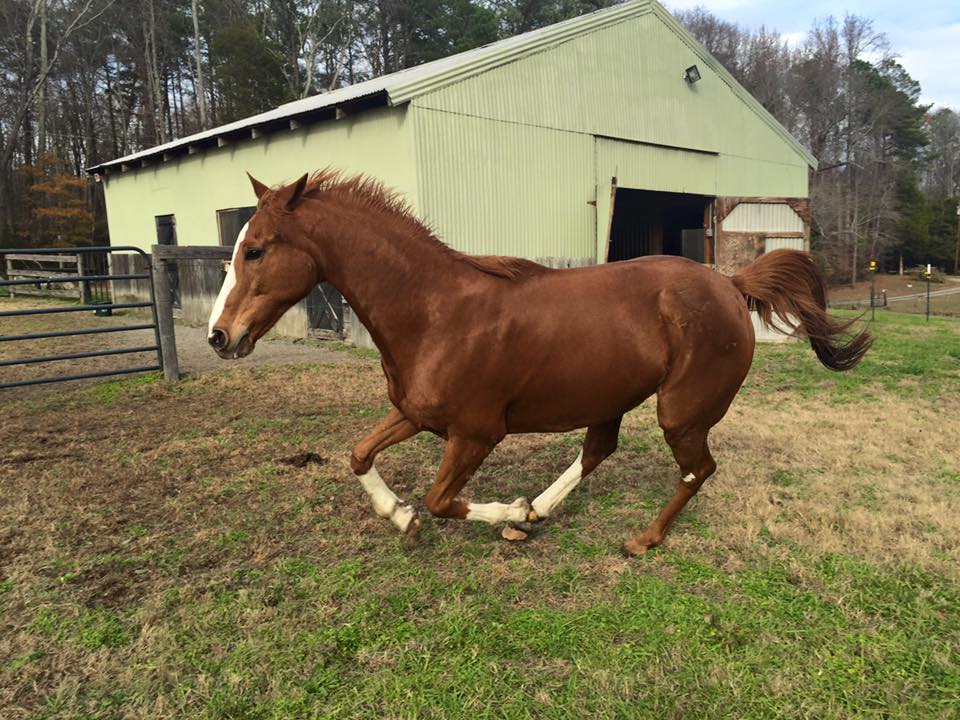
Horses move naturally with four basic gaits: the four-beat walk,the two-beat trot or jog, the canter or lope, and the gallop. Besides these basic gaits, some horses perform a two-beat pace, instead of the trot. There is also several four-beat "ambling" gaits that are approximately the speed of a trot or pace, though smoother to ride. These include the lateral rack, running walk, and tölt as well as the diagonal fox trot. Knowing the difference between gaits will help describe their movement in stories.
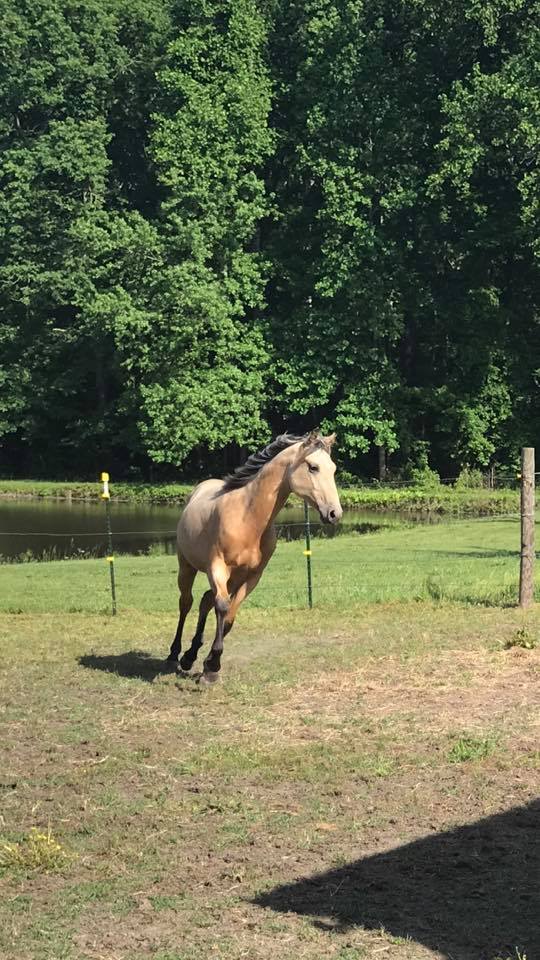
 
Image may contain: horse, tree, outdoor and nature
©Ashley Blair
 
Image may contain: horse, outdoor and nature
©Ashley Blair
 
Image may contain: outdoor
©Ashley Blair
 
Image may contain: tree and outdoor
©Ashley Blair
 
No automatic alt text available.
©Ashley Blair
 
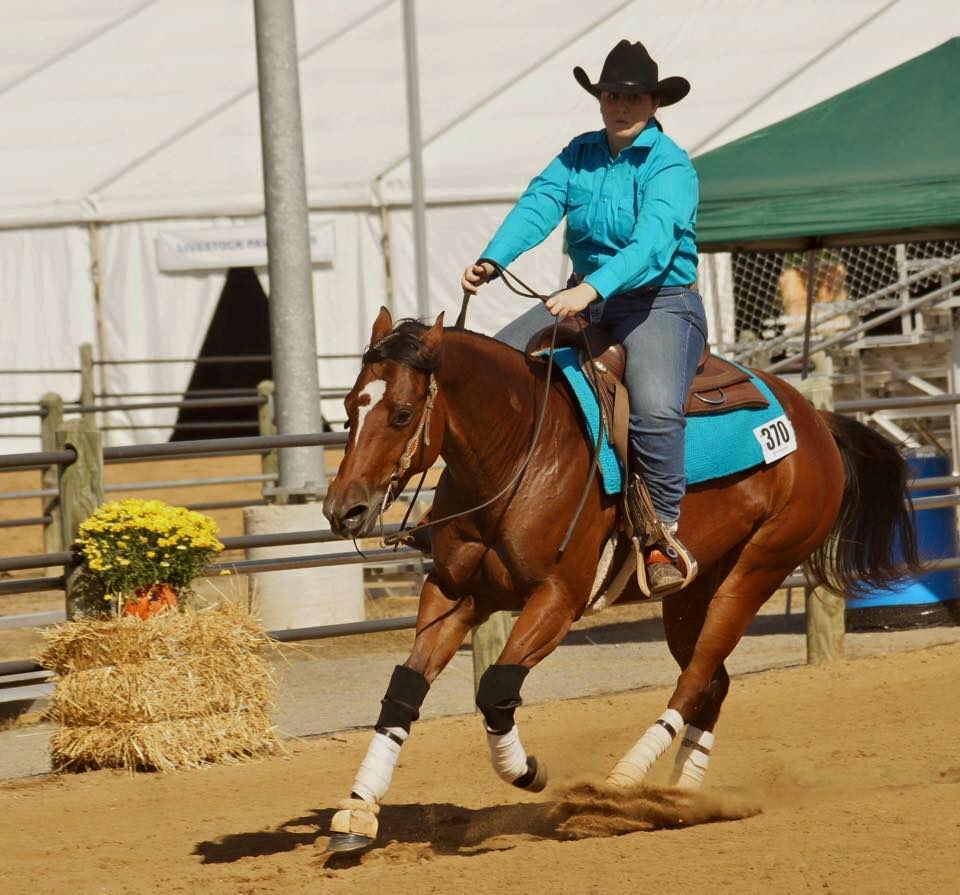
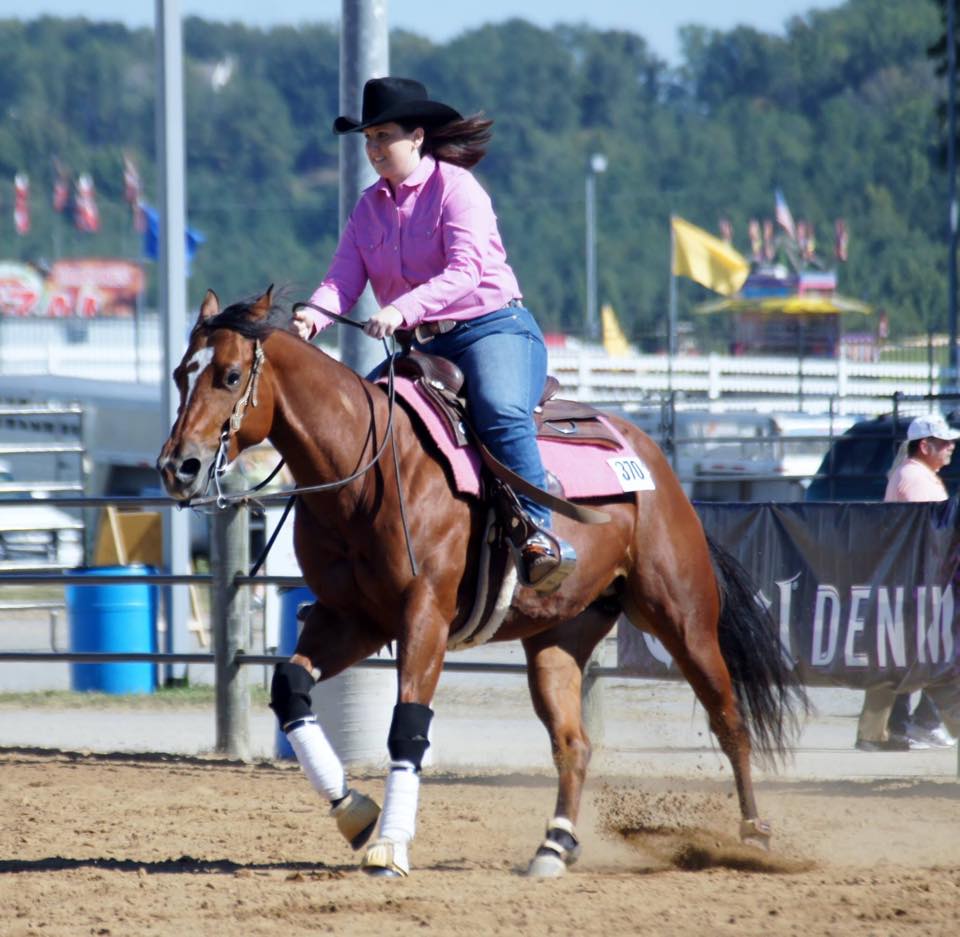
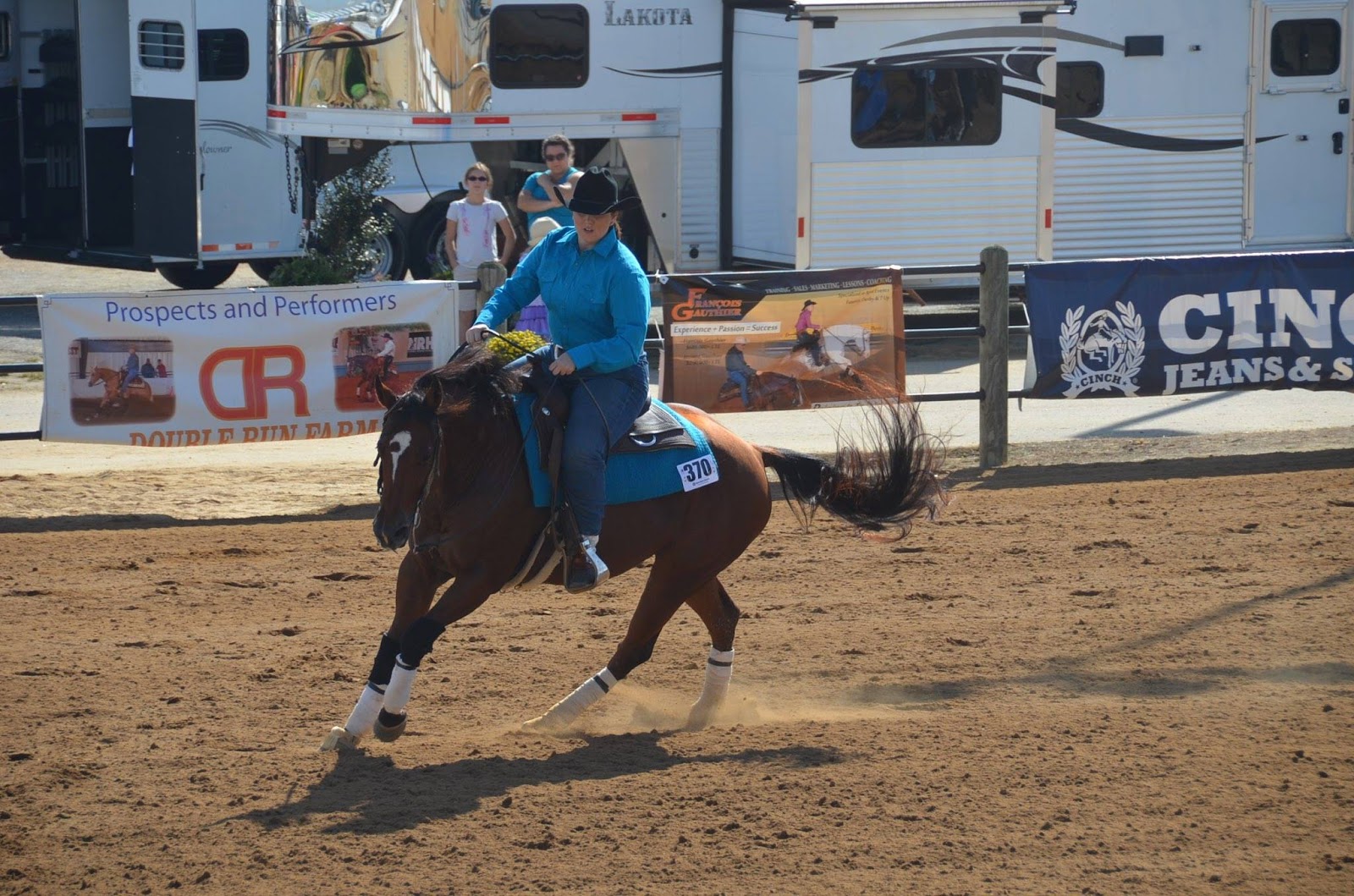
Horses were historically used for transportation, sports and warfare, from which a wide variety of riding and driving techniques developed. Using different styles of equipment and methods, equestrians honed their horsemanship skills, focusing on control and balance of both horse and rider.
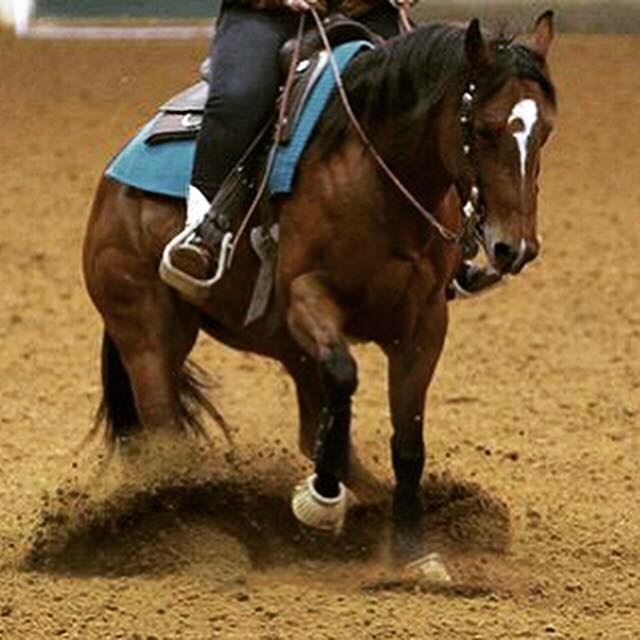
 
 
Image may contain: horse and outdoor
©Ashley Blair
 
Image may contain: one or more people
©Ashley Blair
 
No automatic alt text available.
©Ashley Blair
 
No automatic alt text available.
©Ashley Blair
 
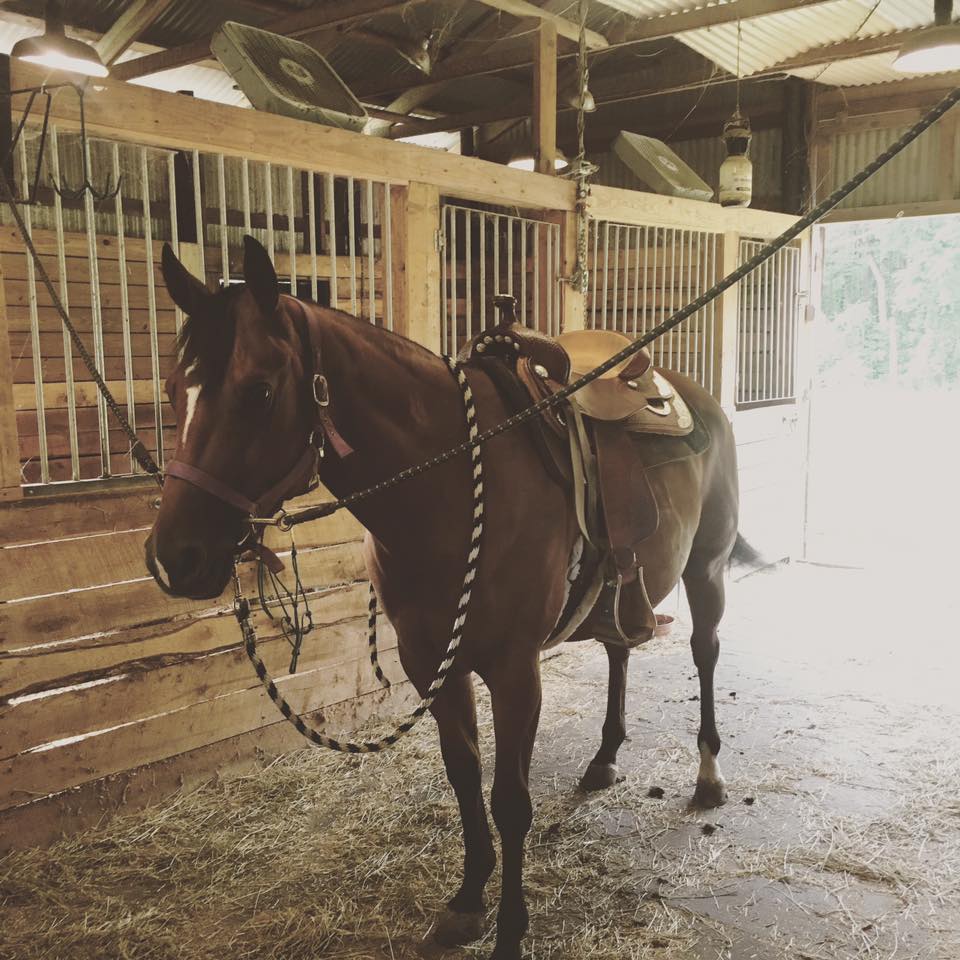
The proper equipment is paramount for communication between rider and mount. Horses are usually ridden with a saddle on their backs to assist riders with balance and positioning. A bridle or related headgear is used to assist the rider in maintaining control over the animal. Many horses are also driven, which requires a harness, bridle, and some type of vehicle (example: carts, wagons, carriages or chariots).
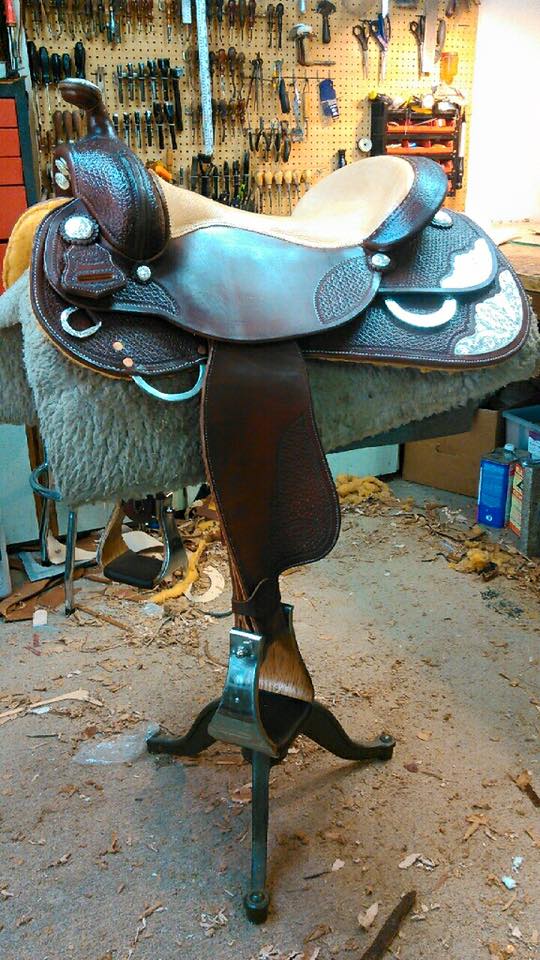
 
Image may contain: shoes
©Ashley Blair
 
Image may contain: outdoor
©Ashley Blair
 
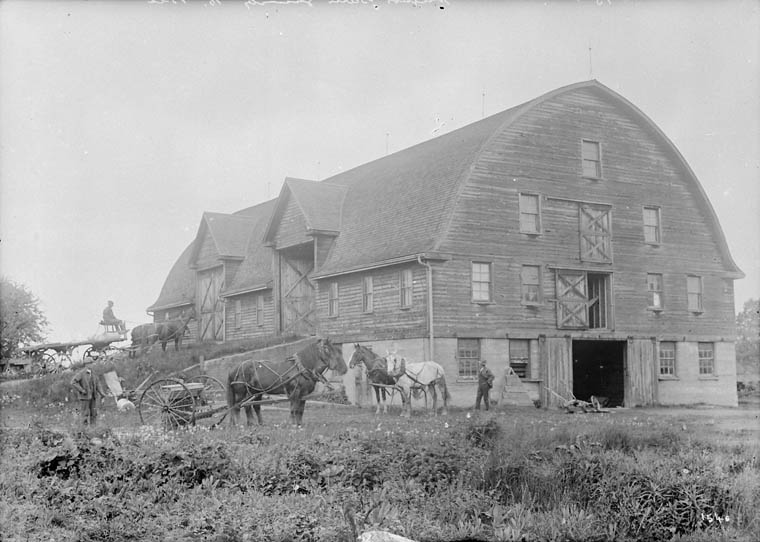
Ecopy #e000762521 - http://data2.archives.ca/e/e031/e000762521.jpg
Source: Library and Archives Canada/Credit:Ronny Jaques/National Film Board of Canada Fonds/e000762521. ©Public Domain
 
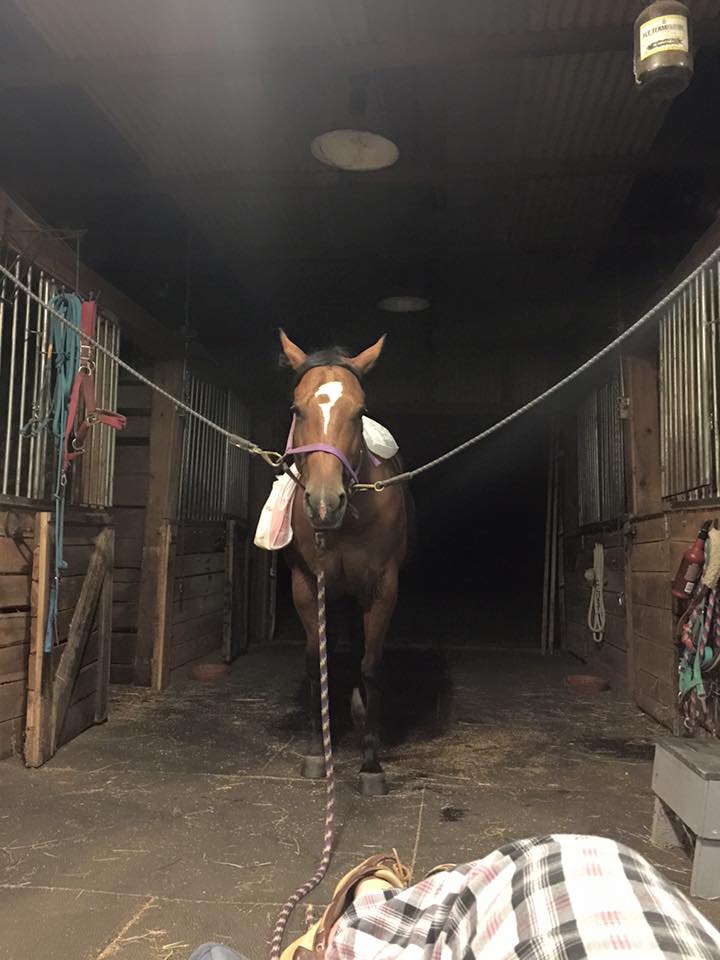
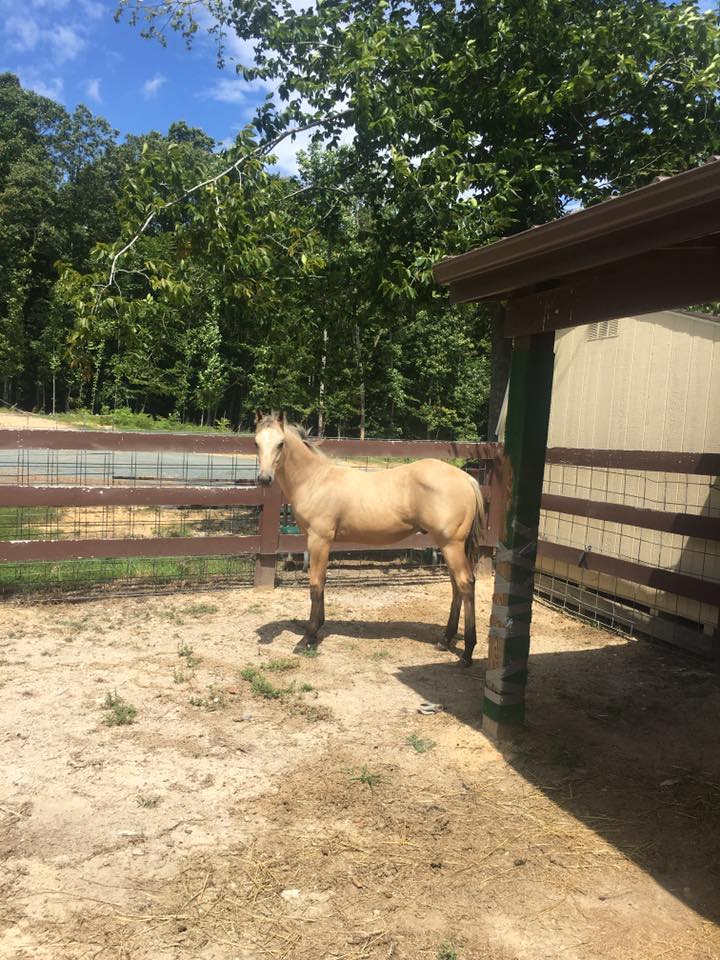
Humans provide domesticated horses with food, water and shelter. This could be useful when describing the setting in storytelling, using examples such as barns, enclosures or pastures.
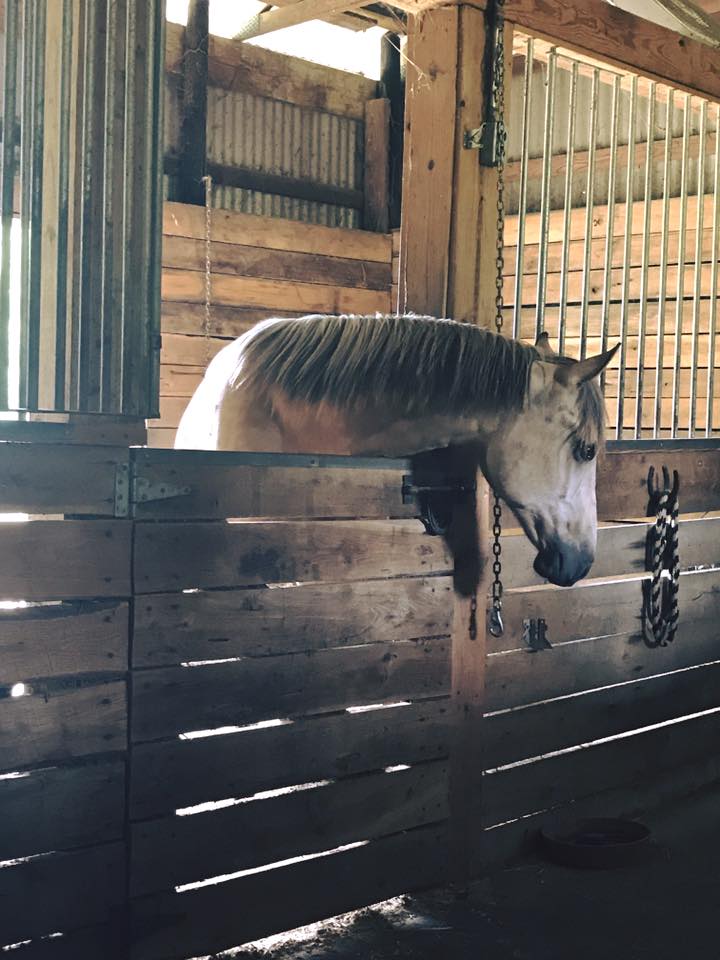
 
Image may contain: horse and outdoor
©Ashley Blair
 
 No automatic alt text available.
©Ashley Blair
 
Image may contain: horse, sky, outdoor and nature
©Ashley Blair

Ecopy #a009677 - http://data2.archives.ca/ap/a/a009677.jpg
Source: Library and Archives Canada/Topley Studio fonds/a009677. ©Public Domain
 
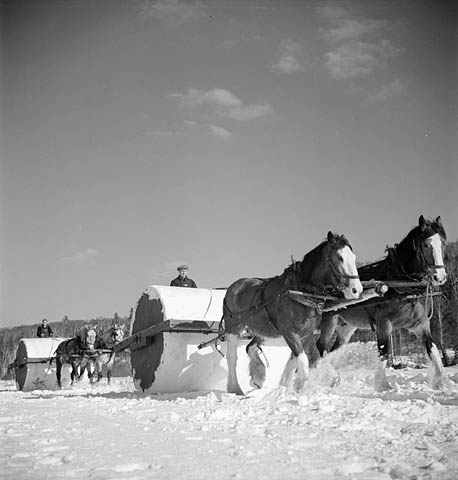
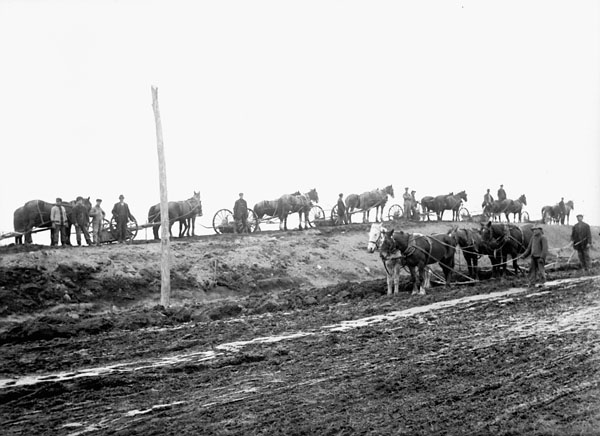
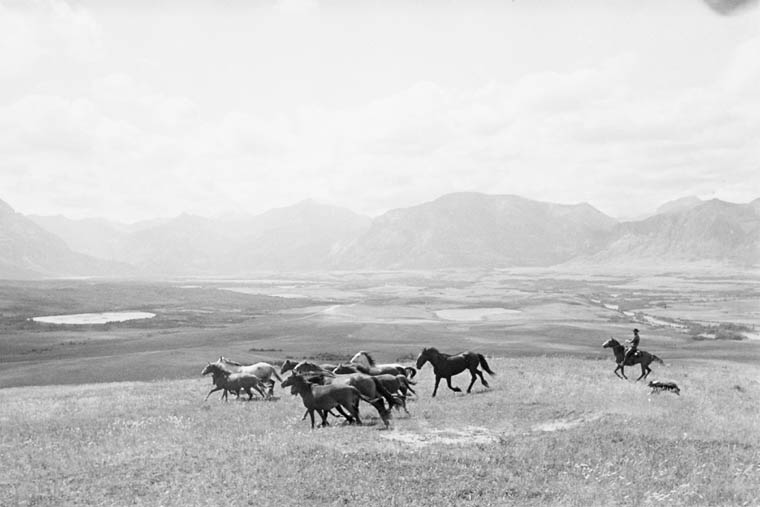
Although mechanization has largely replaced the horse in modern society, there are certain jobs that still require them. For example, law enforcement officers such as mounted police, search and rescue organizations, park rangers or game wardens still use horses as they are effective for certain types of patrol duties and crowd control. Cattle ranches still require riders on horseback to round up cattle that are scattered across areas of rough terrain where vehicles are less effective. Horses and humans interact in a wide variety of sports, both competitive and noncompetitive recreational pursuits. They may also be the only form of transport allowed in certain wilderness areas, as horses are quieter than motorized vehicles and do not disrupt terrain as much. Horses are still being used today for agriculture practices, such as cultivating and logging. And obviously, horses are still the preferred form of transportation in areas of rough terrain where motorized vehicles are ineffective.
 
 
Ecopy #a013052-v6 - http://data2.archives.ca/ap/a/a013052-v6.jpg
Source: Library and Archives Canada/Topley Studio fonds/a013052. ©Public Domain
 
Ecopy #a157798 - http://data2.archives.ca/ap/a/a157798.jpg
Source: Library and Archives Canada/National Film Board of Canada Fonds/a157798. ©Public Domain 
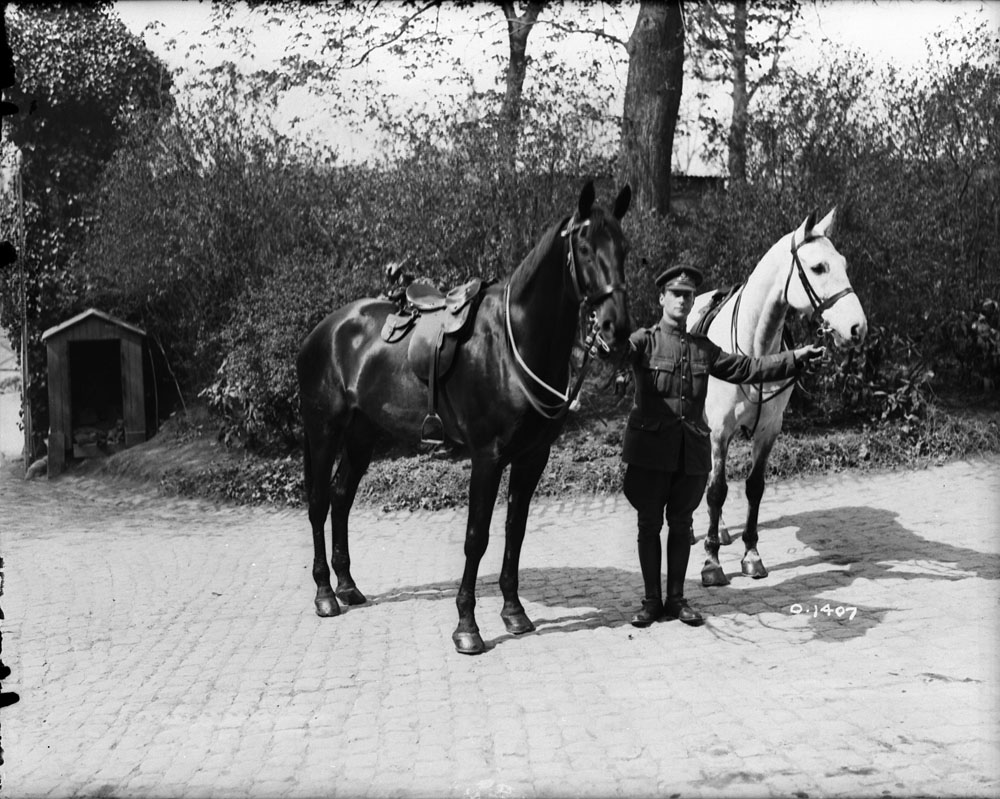
 
Ecopy #a001310-v8 - http://data2.archives.ca/ap/a/a001310-v8.jpg
Source: Library and Archives Canada/Ministry of the Overseas Military Forces of Canada fonds/a001310. ©Public Domain
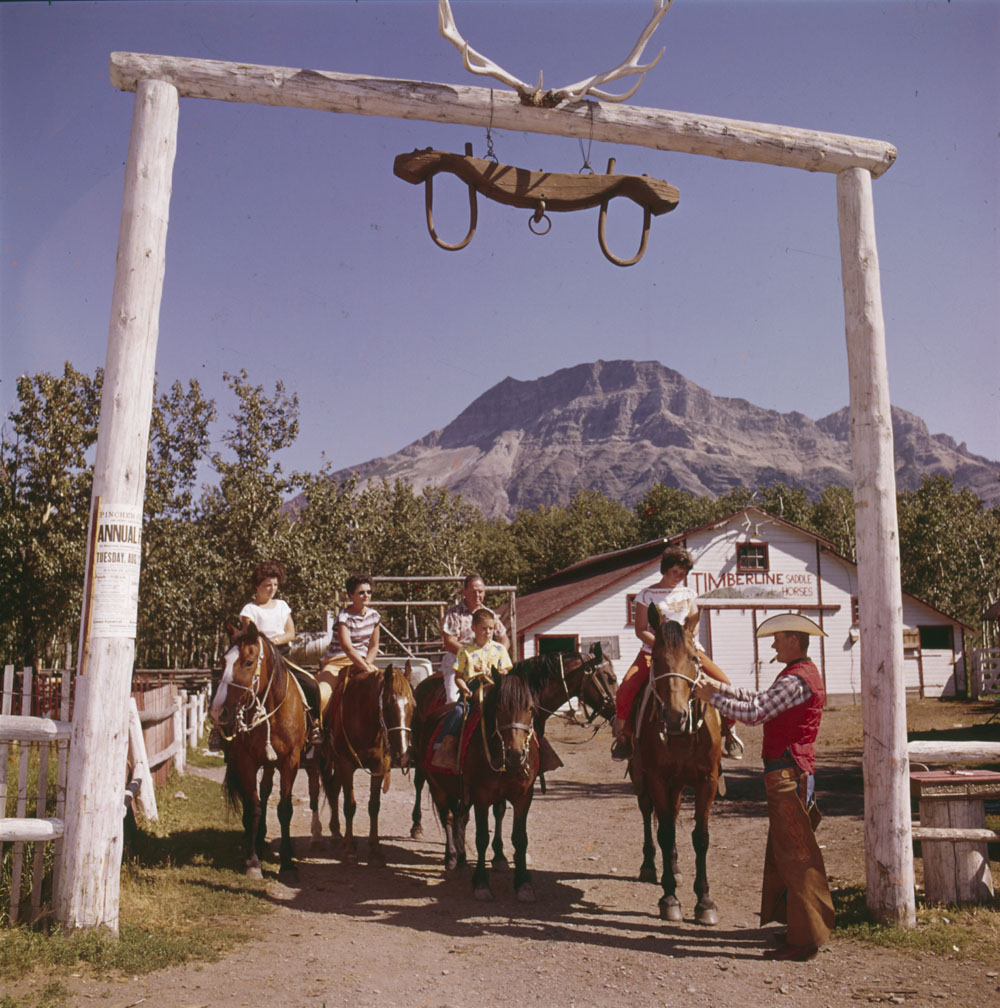
 
Ecopy #e010976130-v8 - http://data2.archives.ca/e/e440/e010976130-v8.jpg
Source: Library and Archives Canada/National Film Board of Canada Fonds/e010976130. ©Public Domain
 
As you can see, learning as much as you can about horses can be especially beneficial for a writer looking for inspiration. Maybe you need references for a story taking place in the wild west, a secondary character helping a protagonist in a fantasy or maybe clues for a murder/mystery.

That is all for this month's Inspiration post. I hope you enjoyed it and managed to  learn something in the process. In closing, I would like to thank each of you for dropping by, it is truly appreciated. I would also like to extend a special thank you to Ashley Blair, for providing most of the source material for this article.


Until next time.


Cheers


Patrick Osborne.


Monday, August 8, 2016

Inspiration part 14 - Aquariums


Welcome back!


    The massive heat waves we’ve been experiencing recently made me wish I could find a way to cool down. So to get our minds off the debilitating temperatures and ridiculous humidity, I figured why not focus our imagination on more interesting things, like summer vacation! With my own vacation just around the corner, I decided to base this month's inspiration post on one of the highlights from last years trip to Chicago. I still have plenty of photos to share, so this is a great opportunity to show you all what else we encountered while in the Windy City.


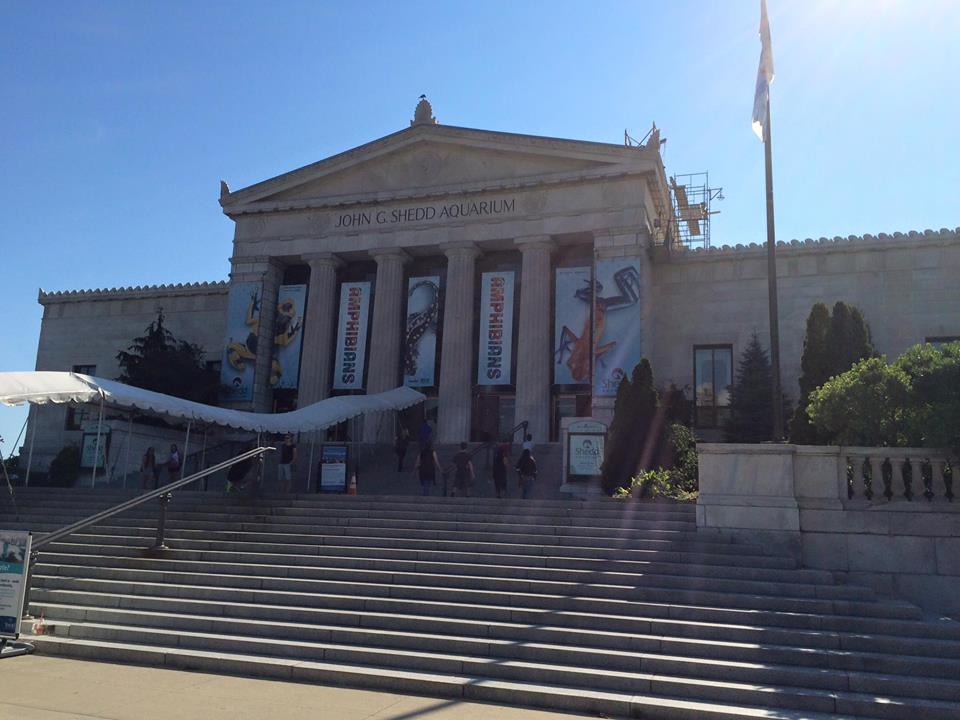
While in Chicago, one of the great locations Linda and I had the opportunity to visit was the Shedd Aquarium. Conceptualized by John Graves Shedd, the aquarium was which bears his name was inaugurated in 1930 and has seen two expansions since. It is located in Grant Park, not far from the Field Museum and the Art Institute of Chicago.


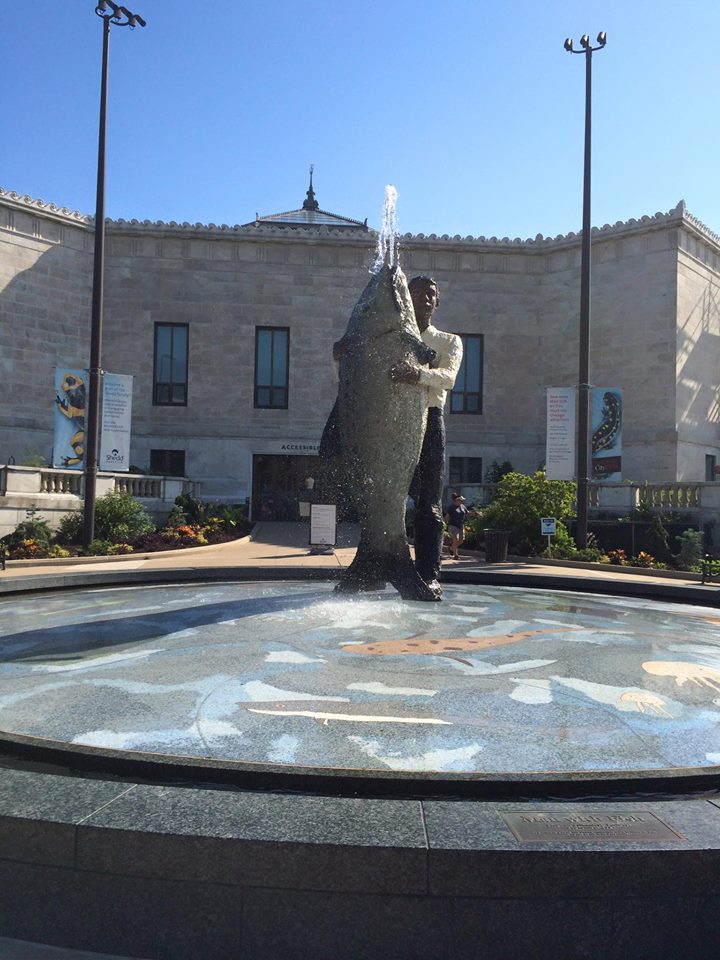
With a neoclassical style, the building is made out of white Georgia marble and terra cotta. There is a fountain near the main entrance, depicting a man holding a giant fish, which greets visitors as they approach the aquarium. Once past the main doors, we enter the main hall, with its white walls, marble floors and high ceilings, giving the room an appearance that is both sophisticated and imposing.


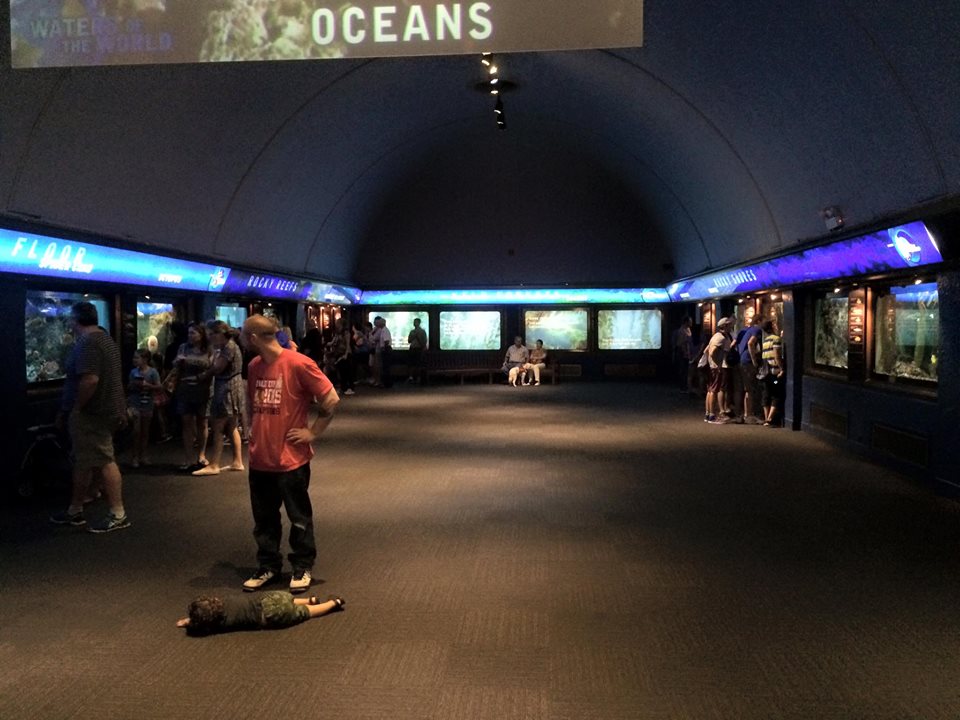
    There are many things to see once you are past the ticket lines. First, we will take a look at some of the exhibits, displays and interactive kiosks available.


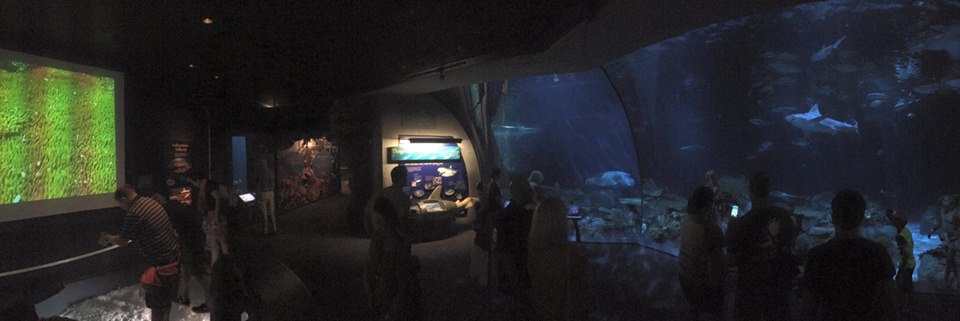
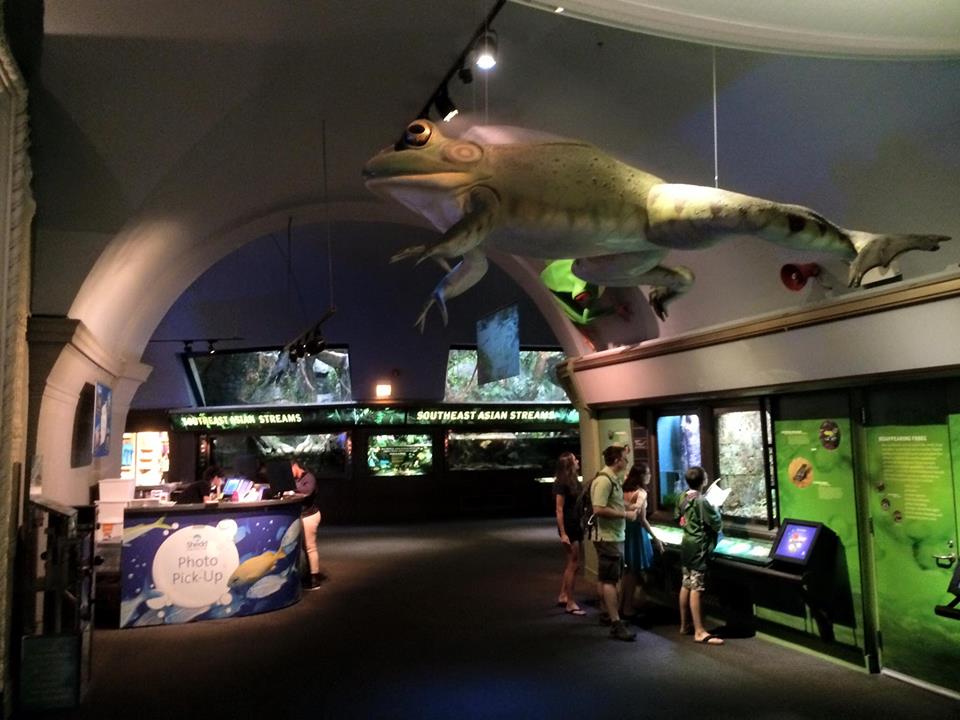
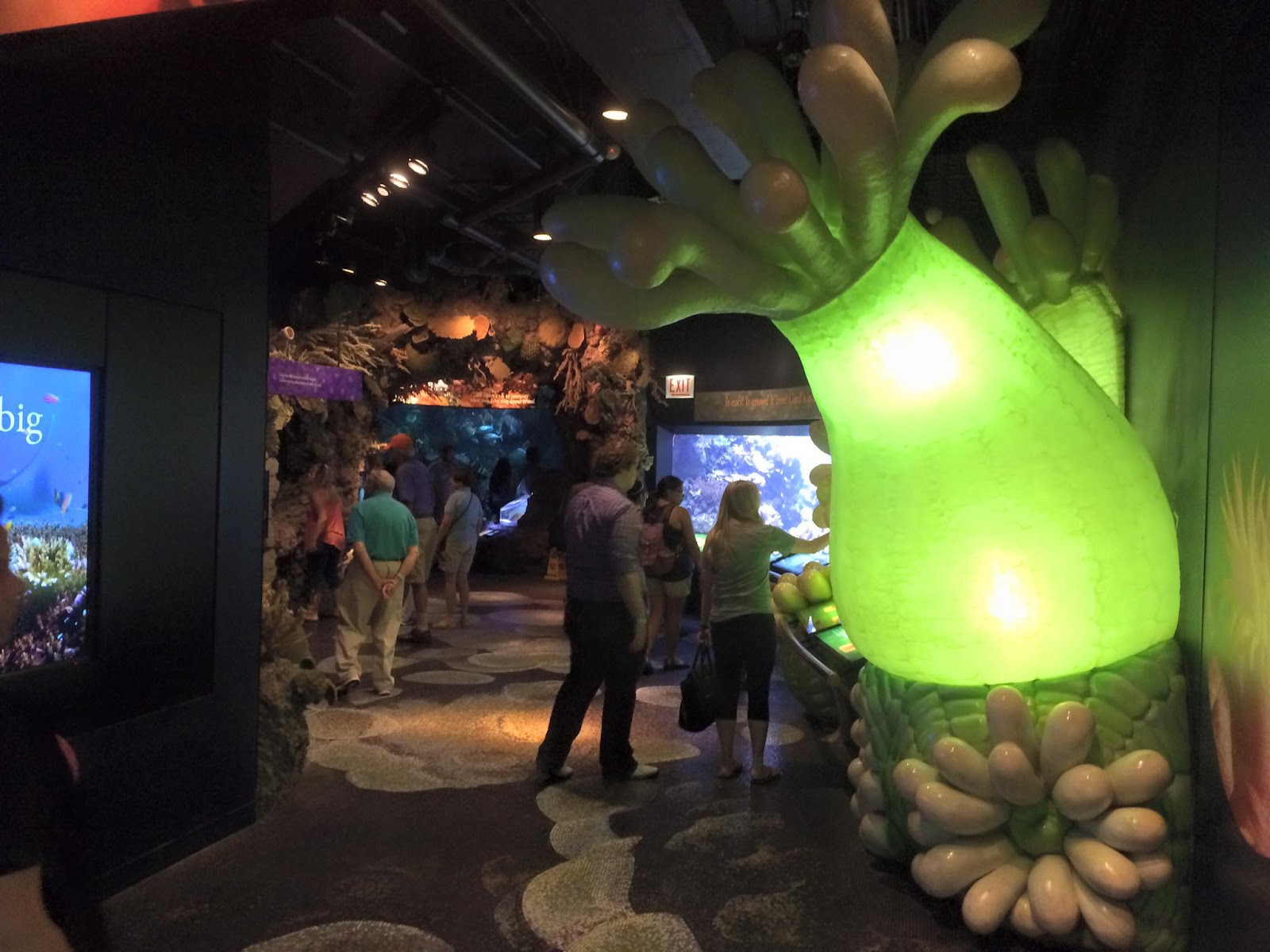
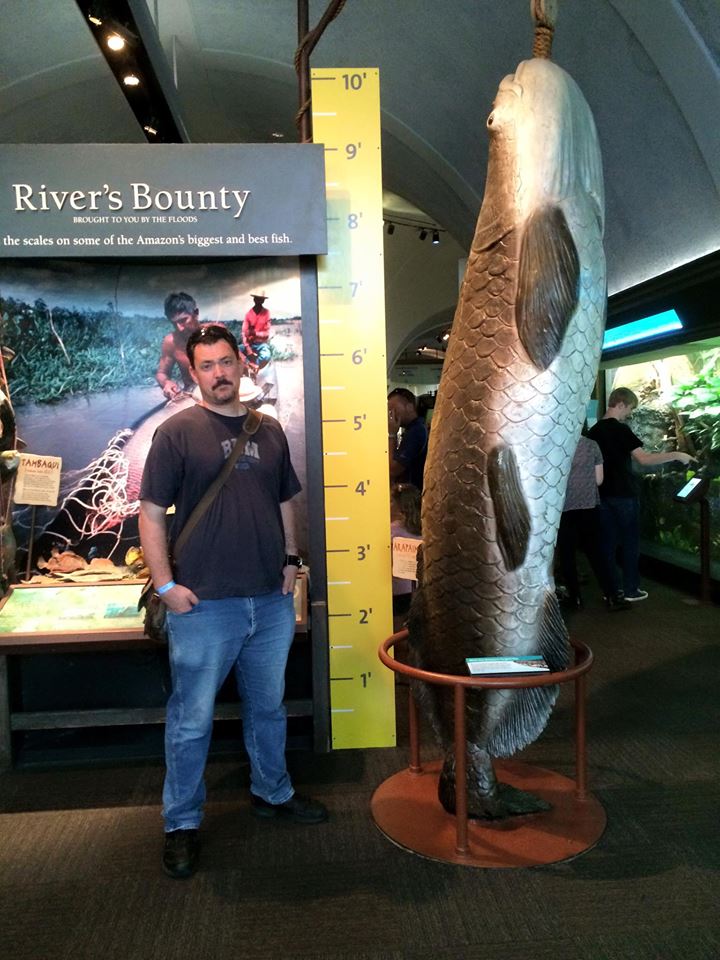
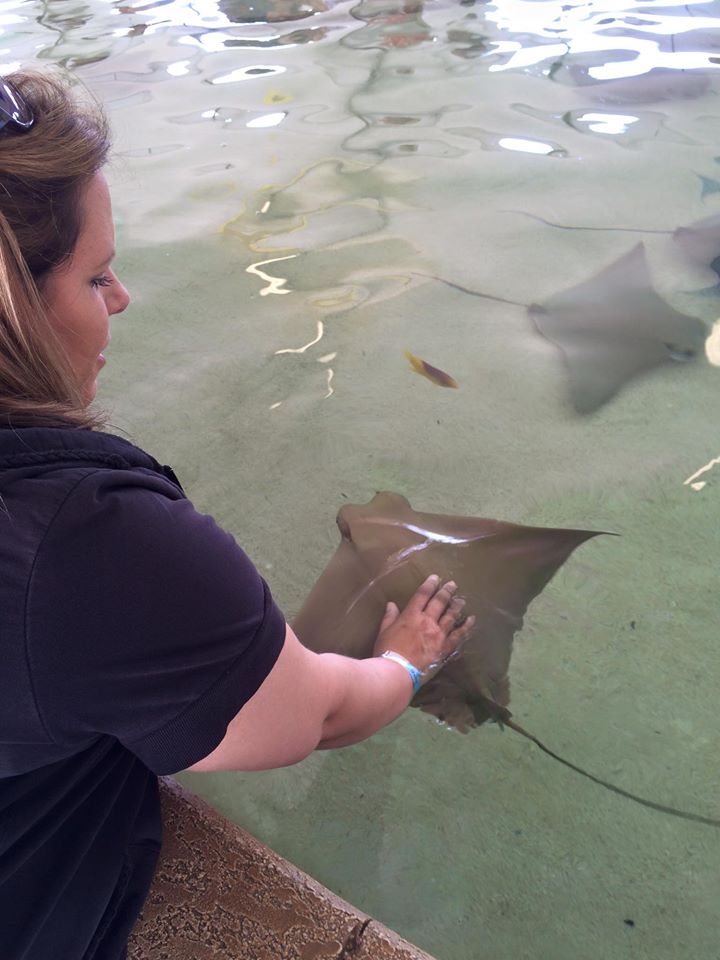
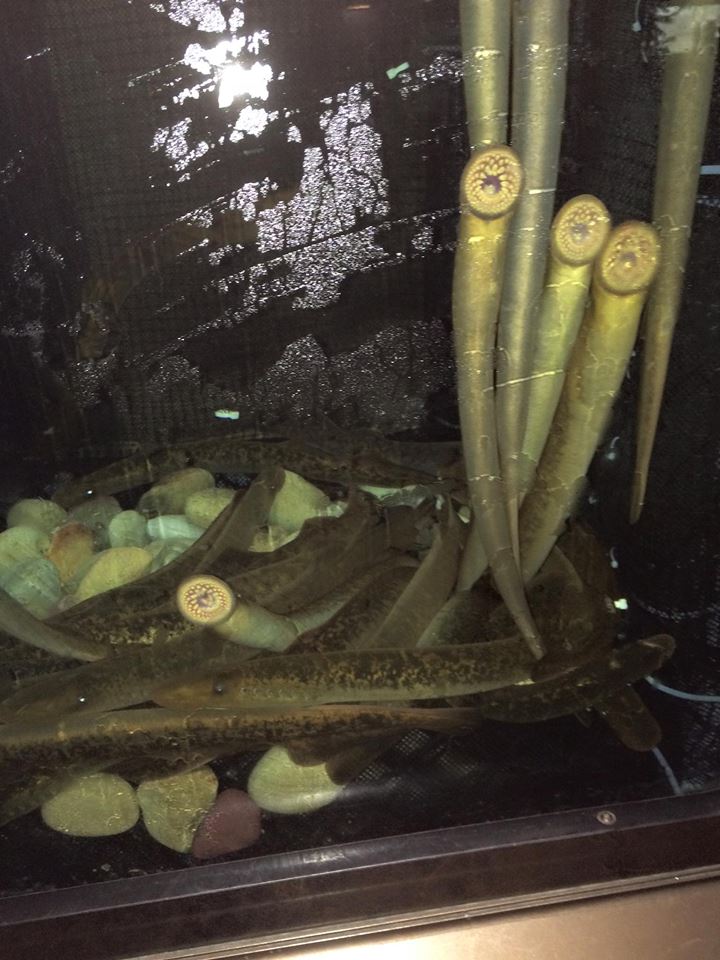
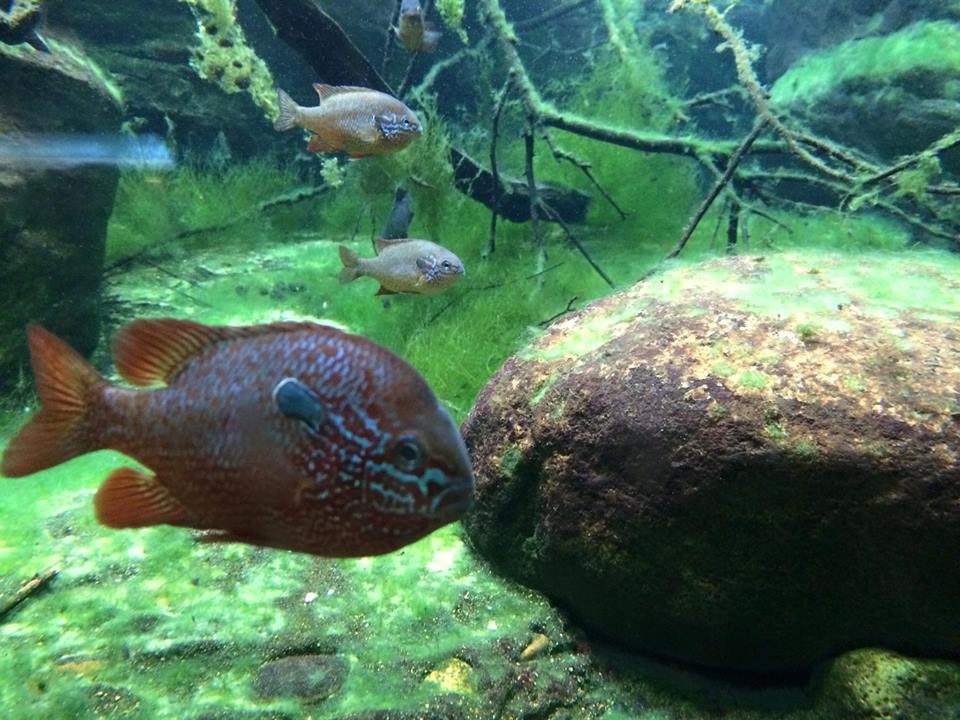
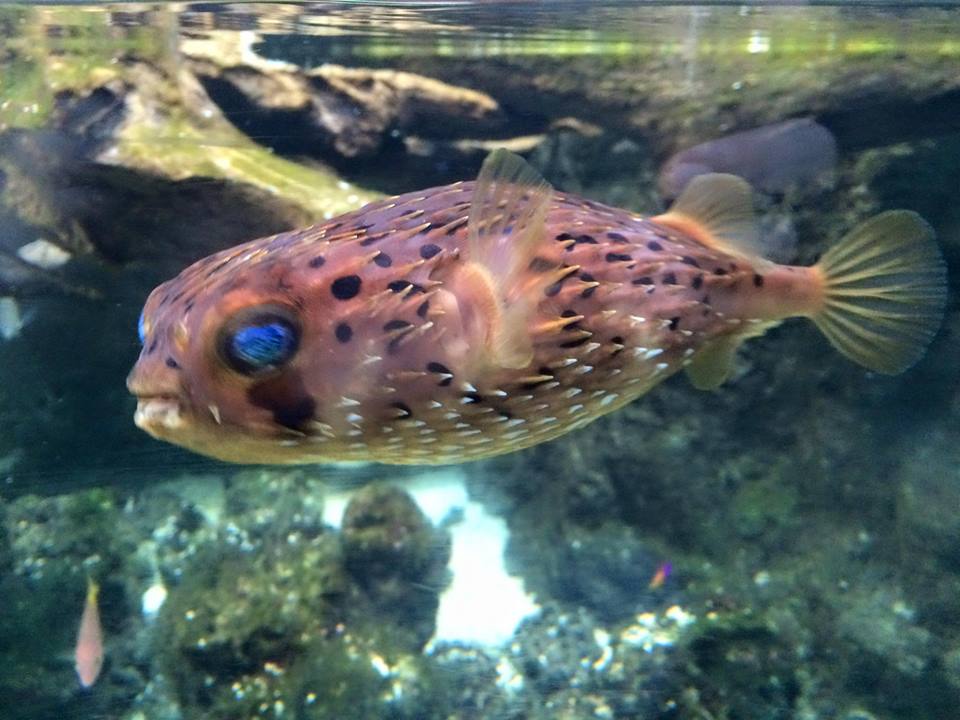
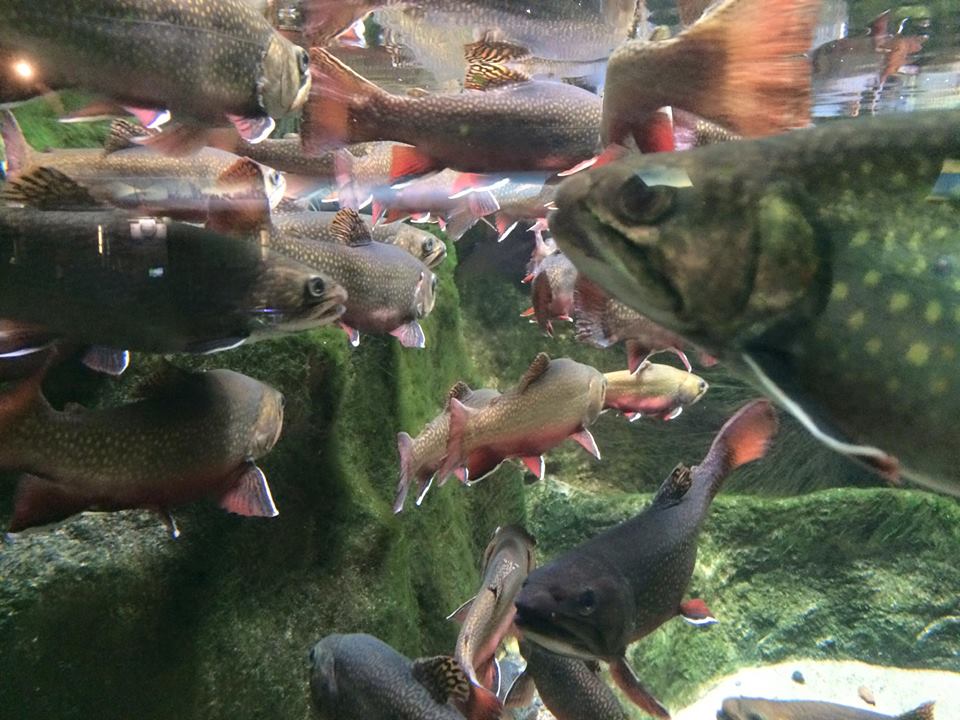
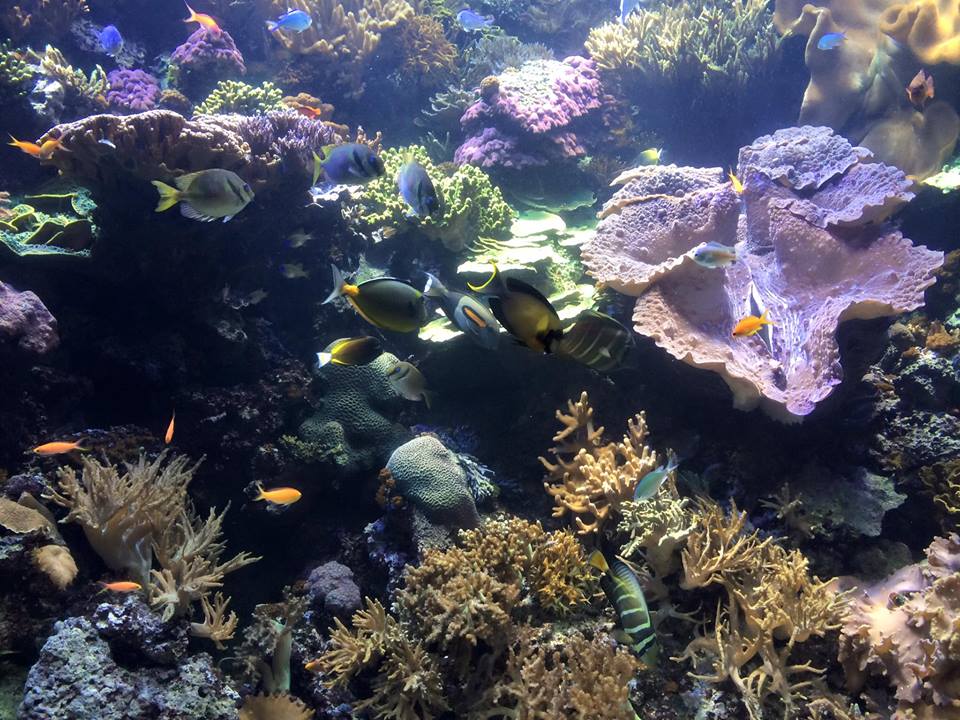
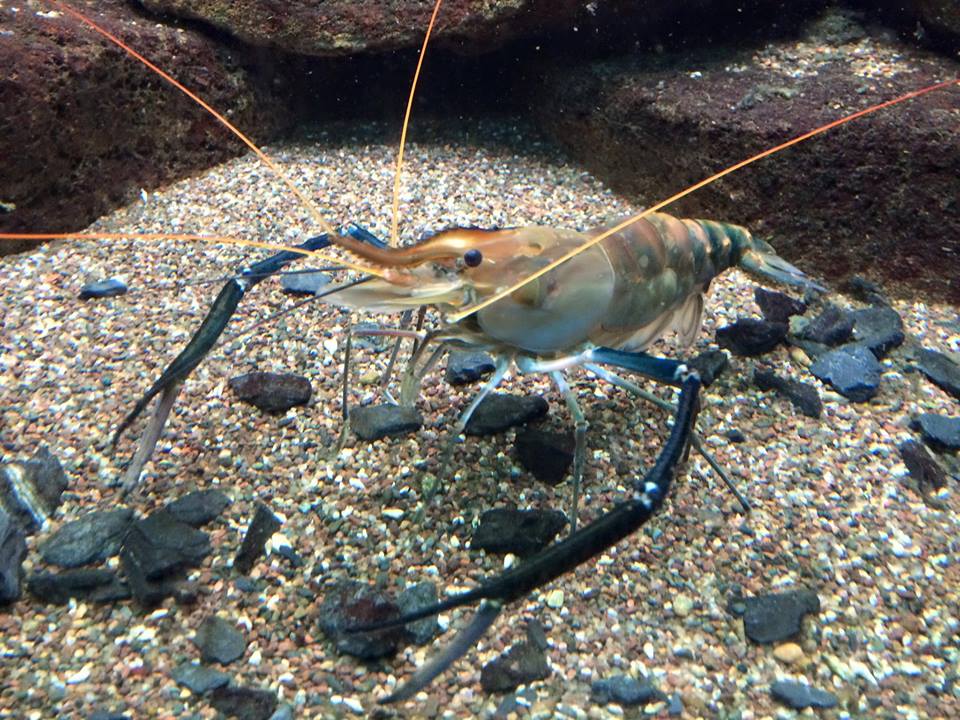
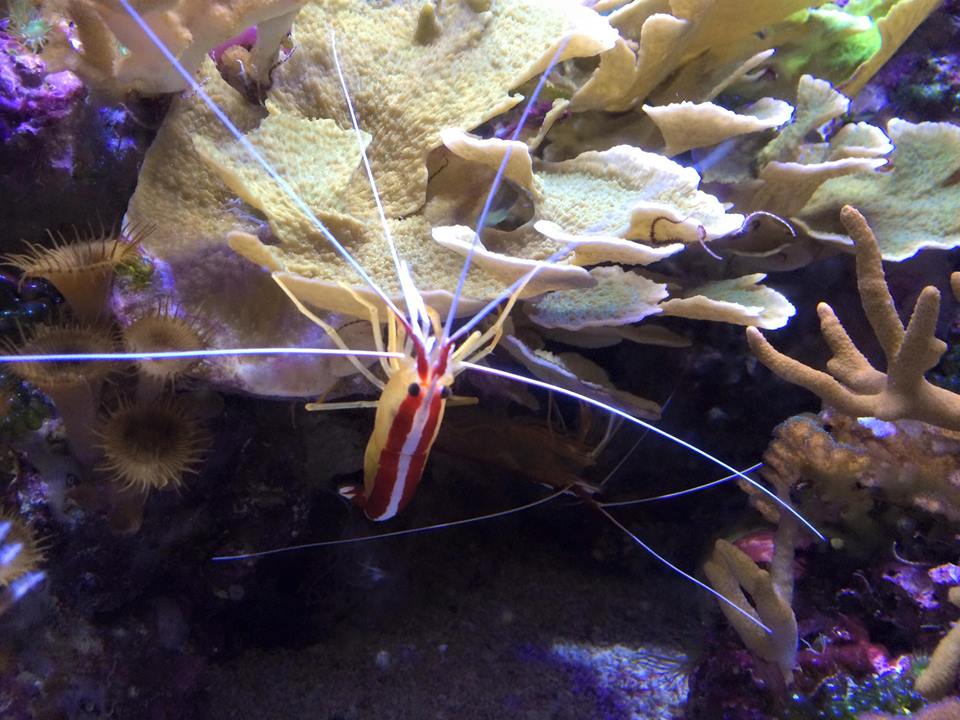
    The goal of a public aquarium is to showcase aquatic life for educational and scientific purposes. Thousands of different species are displayed in hundreds of different aquariums of different shapes and sizes. Also present are human sized sculptures of aquatic animals, either to indicate the content of a nearby tank, or to help visualize the actual size by comparison. There are also interactive kiosks, one of which was Linda’s favorite, sting ray petting!


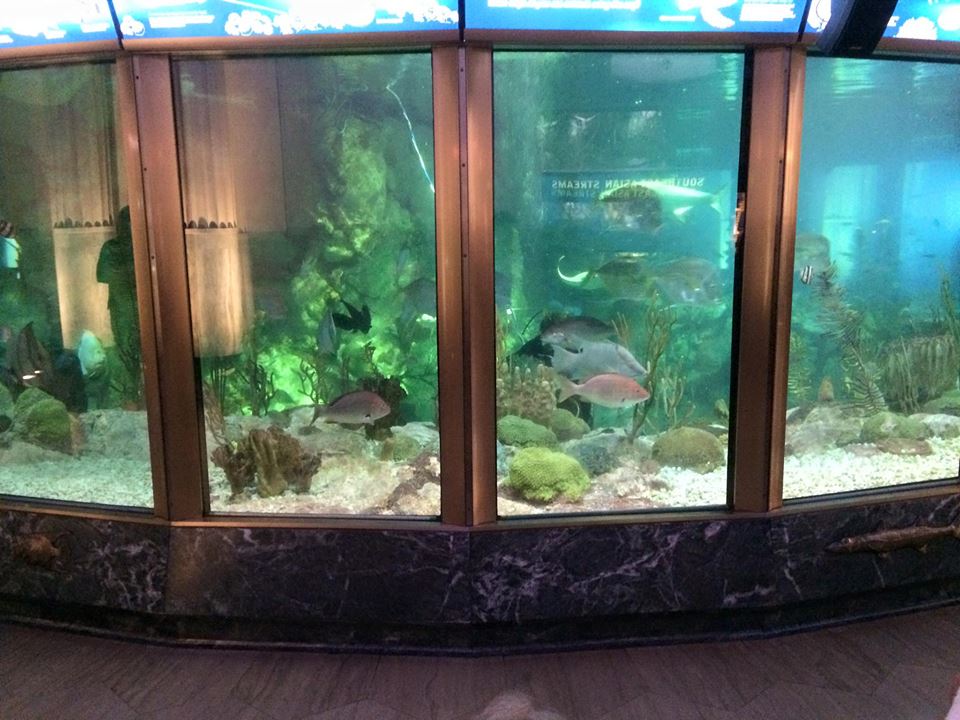
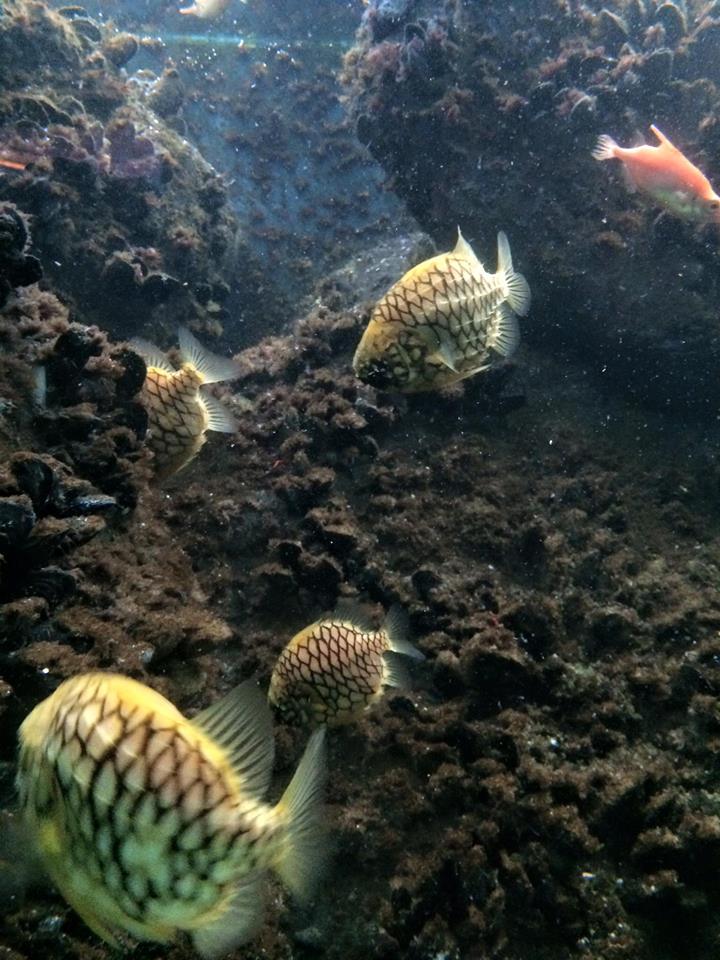
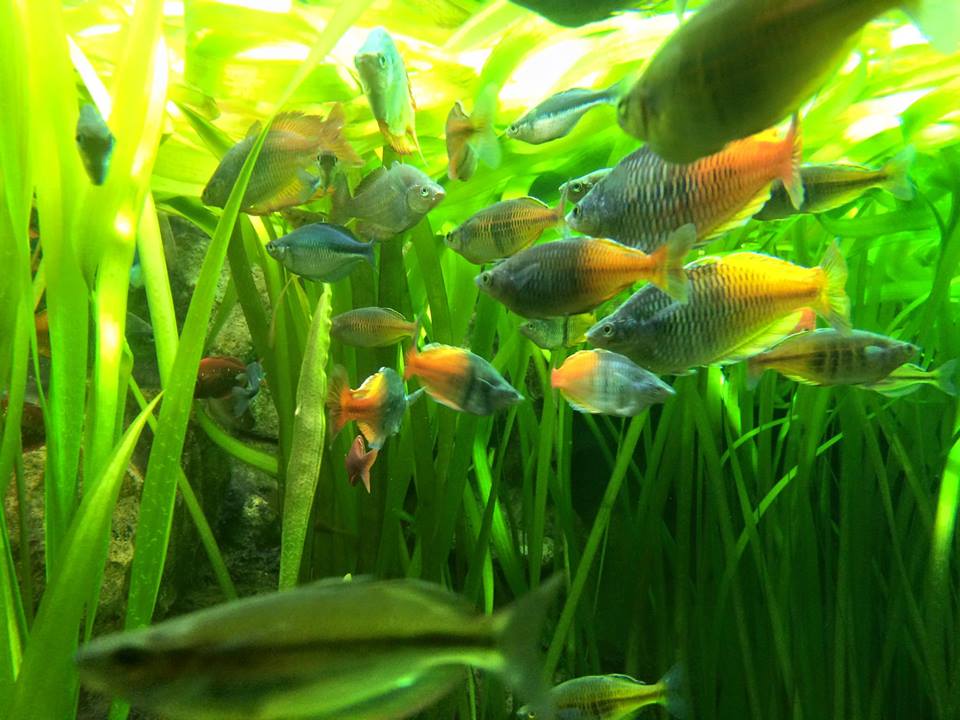
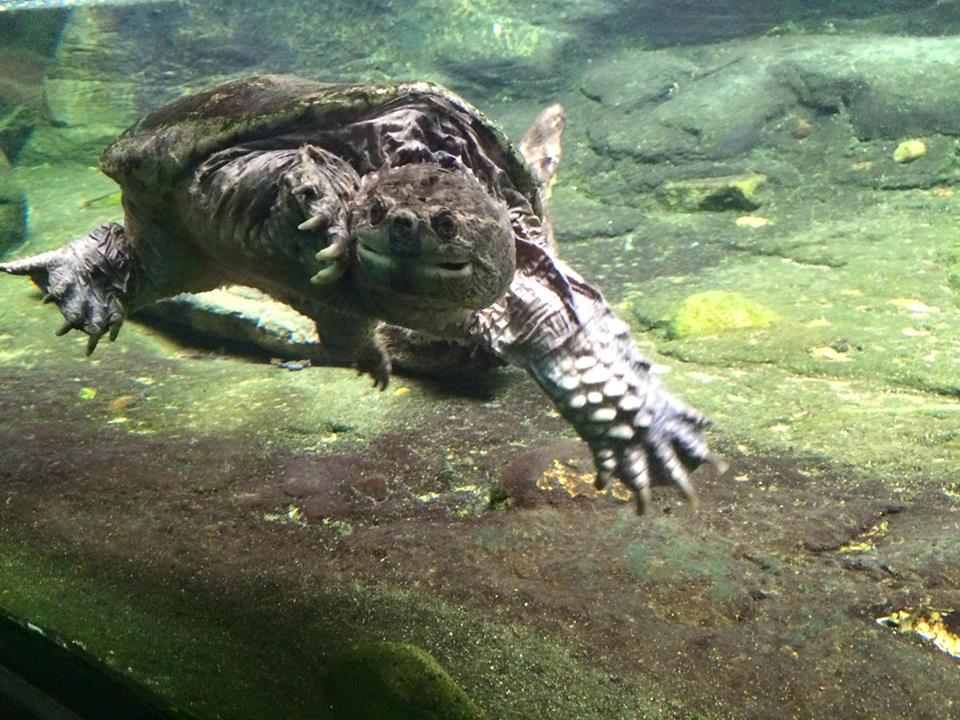
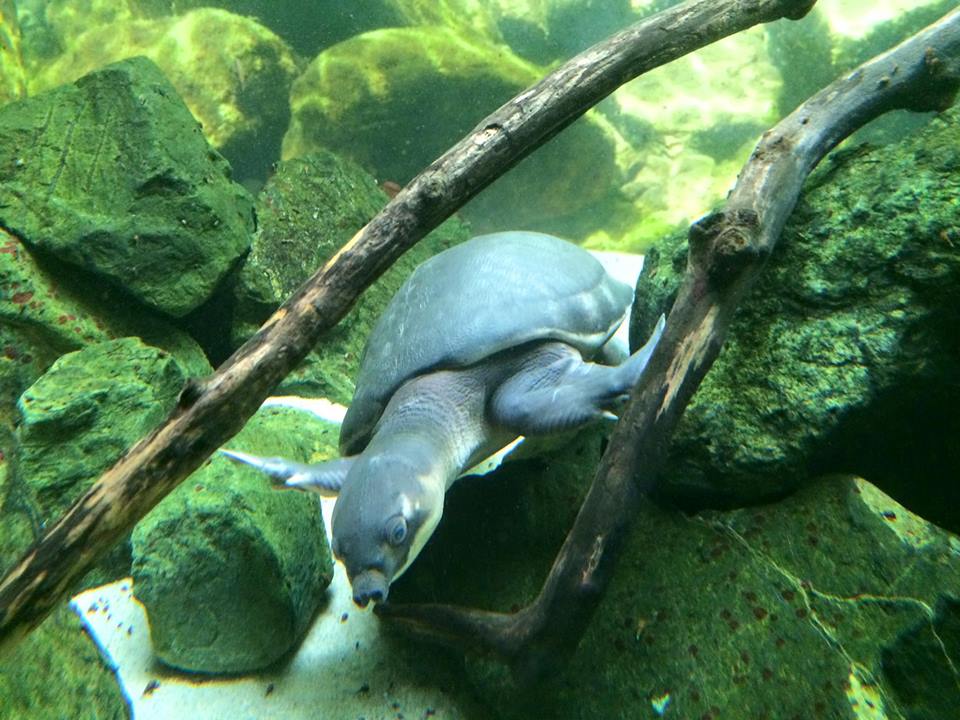
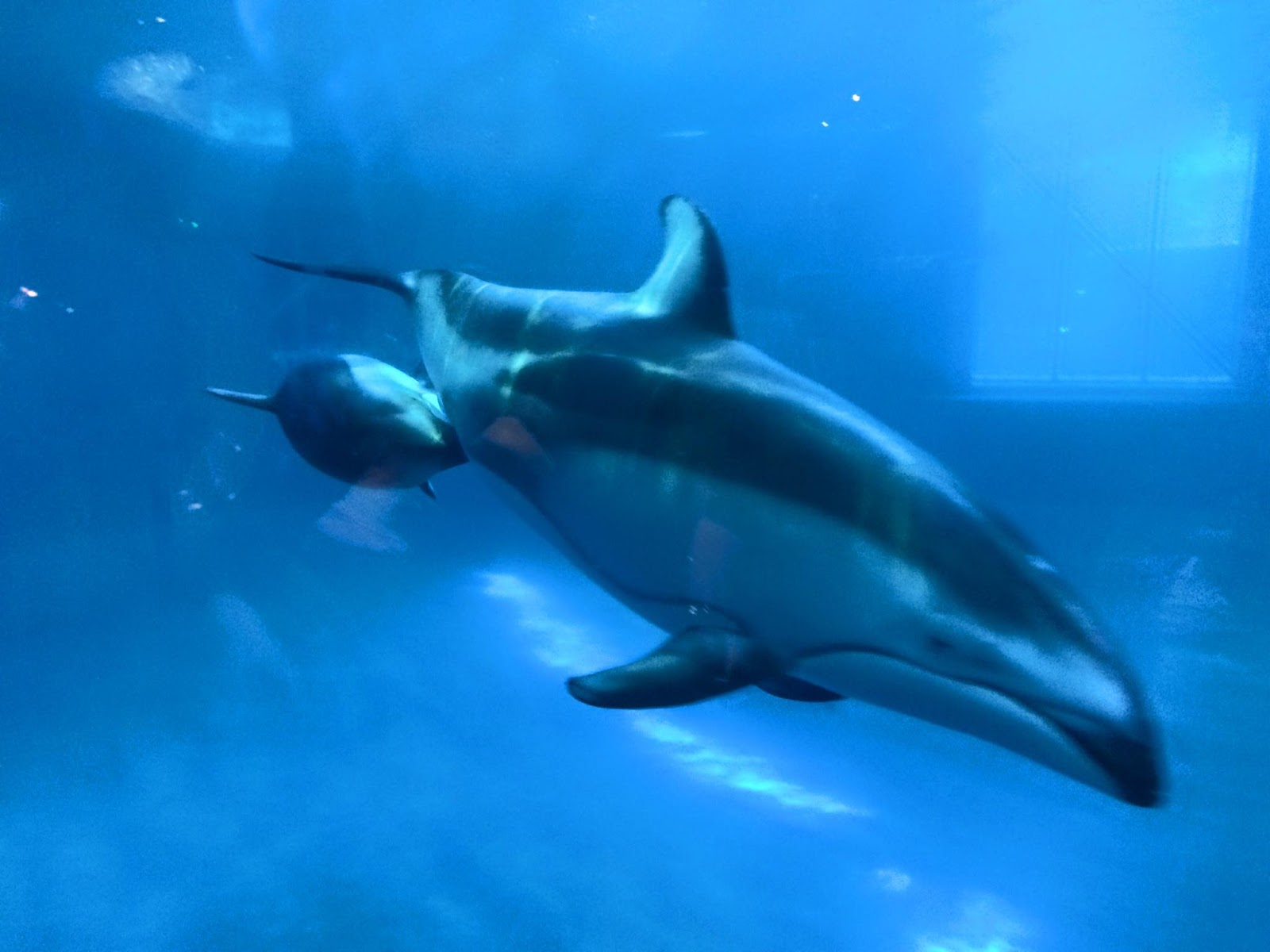
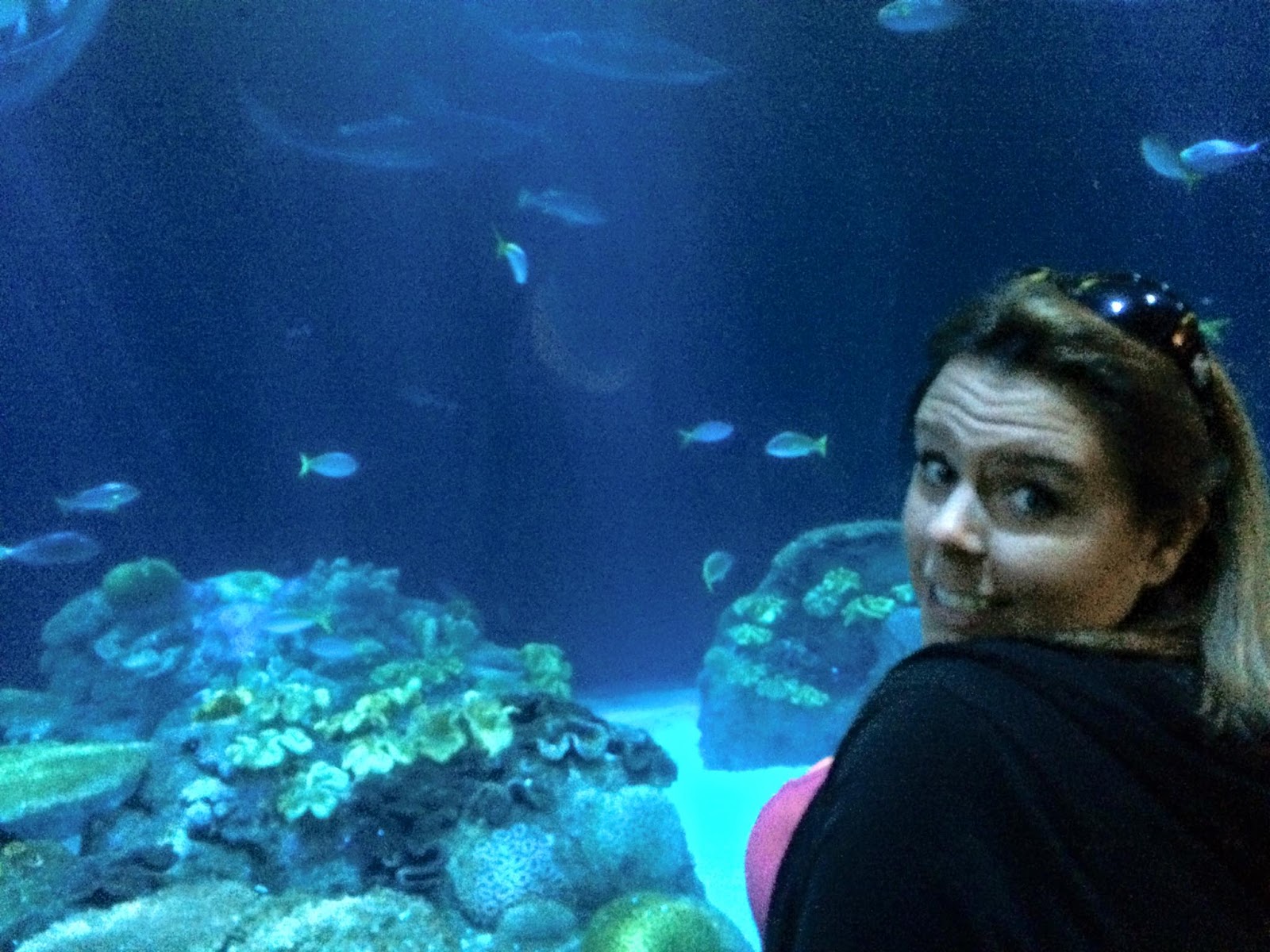
Next we come to the most obvious component of an aquarium: the marine life. A wide variety of species, ranging from fish, to invertebrates, to amphibians, to mammals, can be seen up close. Their holding tanks are meant to imitate their natural habitat, which not only to makes the animals more comfortable, but increases the experience for the visitors as well.


As you can see, a trip to the aquarium, especially one as big and impressive as the Shedd Aquarium, can be especially beneficial for any writer. Maybe you are searching for references on neoclassical structures, or the layout of a public aquarium for a particular scene. Perhaps you need to study underwater environments for a story taking place at sea, or take a closer look at some aquatic life for a character concept (good fictional fish examples include Jaws the shark, Nemo the clownfish, or the classic white whale from Moby Dick).


    I hope you enjoyed this month's inspiration post as much as Linda and I enjoyed visiting the Shedd Aquarium. I strongly encourage you to go out there and experience it for yourself.


Until next time.

Cheers,

            Patrick Osborne


***all pictures are taken by myself. Copyright Patrick Osborne, 2015***


Thursday, October 15, 2015

Inspiration Part 6 - Caverns


Welcome Back!


           I’m very excited to present today’s Inspiration post, because as you will see, it is quite different from everything else I have done so far! I was also saving it for October, given its spooky and eerie appearance!

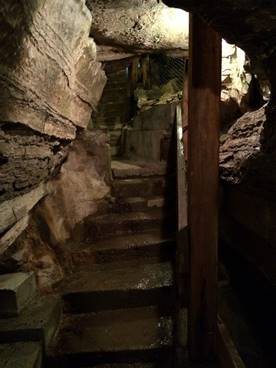
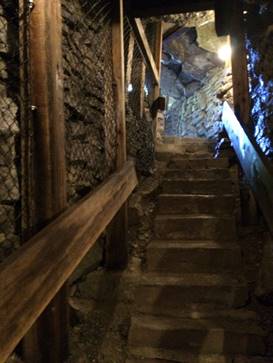
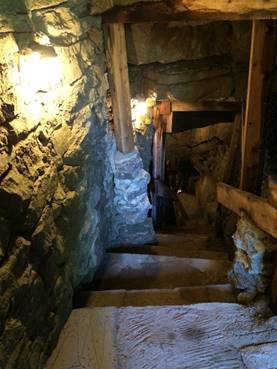
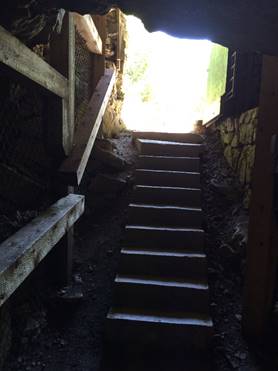
            While on vacation in late June, the kids and I had the opportunity to go visit an old cave system near our campground. We had visited these caves before but I decided to return, thinking that taking pictures for my blog may help some of my readers,

These underground tunnels are called the “Bonnechere Caves”, and are open to visitors. Please see their website for more information.

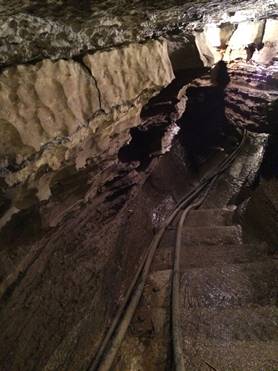
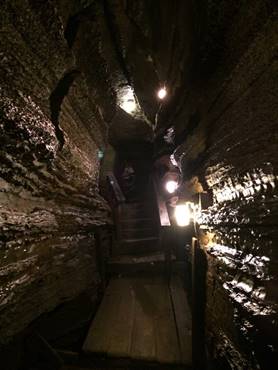
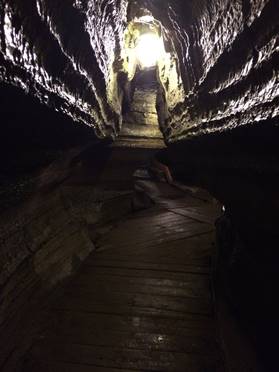
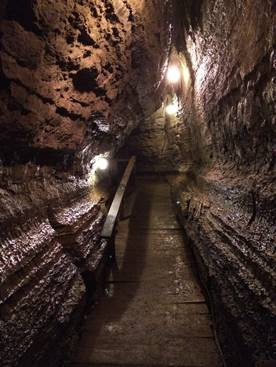
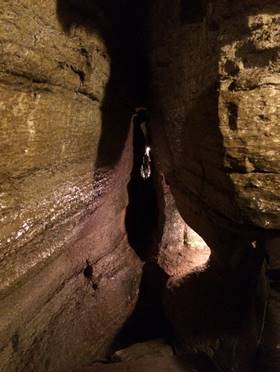
In the first set of pictures, we see the descent into the lower levels. Wooden pillars have been erected to help stabilize the ceiling, while stairs made of concrete to facilitate visitors’ access. It does not take long for the sunlight to disappear, so lights were drilled into the rock. The electric cables you see running along the ceiling and floor are to feed the lighting system.


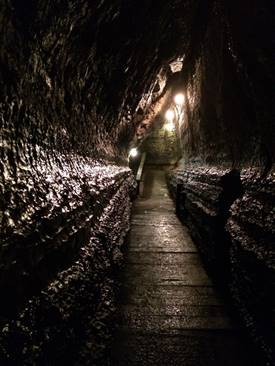
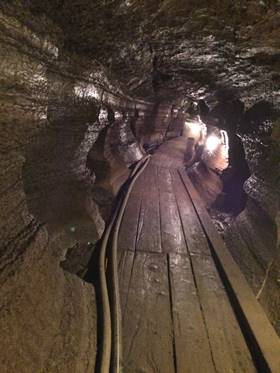
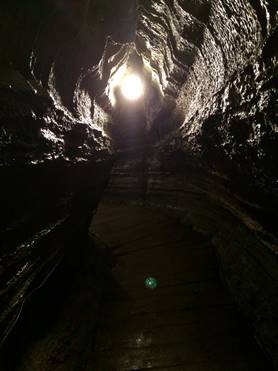
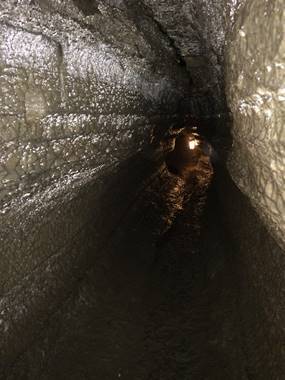
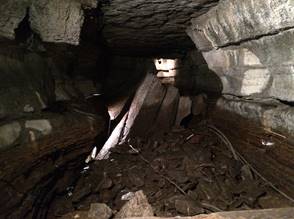
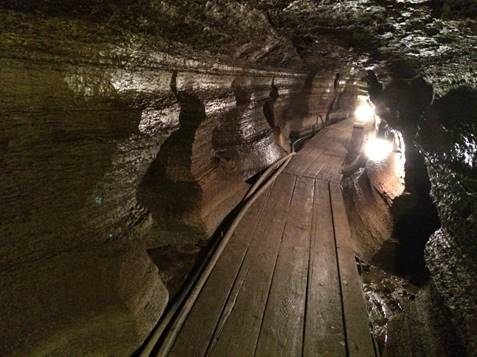
               Now having reached the lowest level, we see the main tunnel had wooden planks installed on the floor. Again this is to help facilitate access to the many tourists who visit these caves every year.

           During the tour, our guide demonstrated just how important the artificial lighting was… by turning off the power. The darkness was absolute, as one could not even see their finger while touching their nose.

           These section of the caves also had a strange echo in them. Because of the multiple surfaces and tight spaces, sound seemed to come back to you from every angle. While speaking, your voice could be heard simultaneously from ahead and behind you in the tunnel.


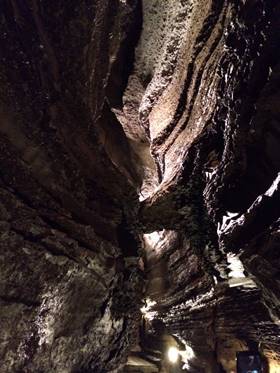
           Now we reach a section of caves that branch off the main tunnel and are not so easily accessible. Though these passages ways still have light, they lack flooring. Visitors are invited to go exploring if they so desire, and if they feel they have sure enough footing. These side paths are considerably smaller than the main tunnel, and I had to crouch low to navigate them. I must admit, that a sense of claustrophobia was building inside me at this point.


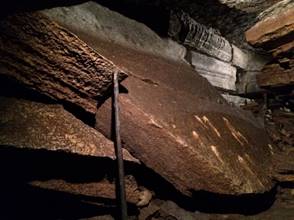
The last section of the tunnels suffered a cave-in, and now has a blocked off section. For those who are thinking about visiting, do not worry, this happened a long time ago, and the cave system is now supported securely.


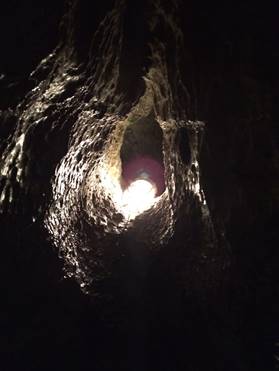
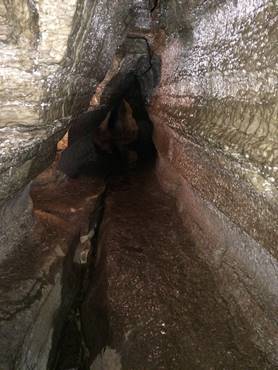
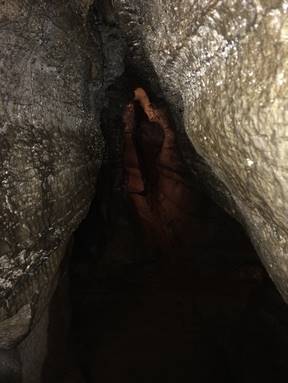
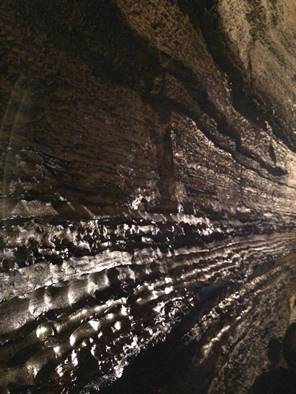
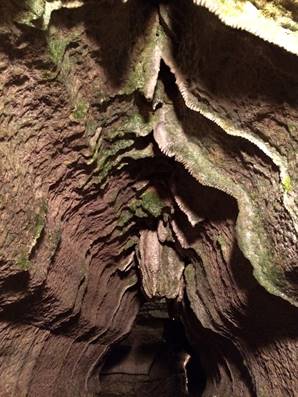
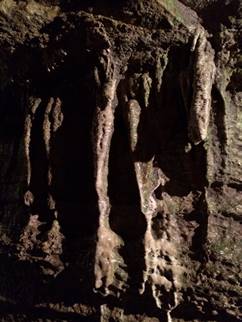
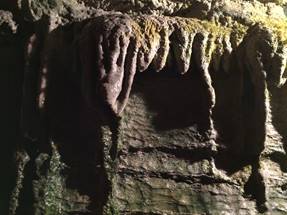
These caves were cold and damp, with droplets of water falling from the ceiling. The smell was not of mould, but more like wet gravel. This cave system is also flooded for part of the year, and you can see the various water levels on the walls. The stone was also worn by the centuries of passing water, making the surface both smooth and wave-like. In the following pictures, we also see how the dripping water formed eerie “spin-like” stalagmites on the ceiling.


           Caves are a location we see often in fiction. Be it dragon dwellings in fantasy novels, a supervillain’s lair in a super-heroic tale, or a dumping ground for dead bodies in a thriller, a cave is often perceived as a bad omen. Its presence triggers instinctual fear, making it a great tool for foreshadowing.

I hope you enjoyed this month’s Inspiration post and that it will be of some use to you in the future.

Until next time.

Cheers,

Patrick Osborne