Welcome to my blog!

Welcome to my blog! This is my journey, my first steps into the world of fictional writing. This blog is an online journal of sorts, where I share the progress of my work as well as what I have learned along the way. I hope you enjoy your time with me and that my experience may be of some use to you.

Thursday, June 11, 2015

Narrative Drive


Welcome Back!


       I came across a term called the Narrative Drive while doing research on Opening Hooks. The expression was unfamiliar to me at the time, so I decided I would dedicate an entire post to the subject.

Learn to captivate your readers drive!


The Narrative Drive can be described as the force which motivates a reader to keep reading. Curiosity and interest are the fuel which feeds this drive, so the writer must keep the audience asking questions while giving enough details to keep them invested. By creating this need to know what will happen next, the Narrative Drive helps point the audience in the right direction. Without this sense of direction, the story may feel unfocused.


In storytelling, this is usually achieved by following the exploits of a protagonist, giving them a worthwhile goal, then adding obstacles which put reaching said goal in doubt. By creating interesting characters dealing with a tense situation, the writer creates an unknown outcome, which encourages the reader to find out if the goal will be reached.


        Not taking the Narrative Drive into consideration when writing can cause the story to feel flat. This usually happens when all pertinent information is given upfront in the story for everyone to see. Once the audience has access to all necessary information, they are left with no questions and see no point in going forward. Imagine a mystery novel where they tell you who did it in the first chapter; no point in going further, correct? In order to keep the reader’s Narrative Drive going, the writer must know what details to keep secret and when to reveal them. This method helps give a sense of reality or depth to a story.


        Oppositely, if the writer attempts to hide too much information, then the audience will lose interest and move on to another book. It is important to remember that if the reader has too little information, then they have nothing to be invested in. Imagine a romance novel where we have no idea who the protagonist's love interest is; how can someone be interested in something not knowing what it is?


Here is a quick list of items to look out for when reviewing a story for its Narrative Drive:


  • The goal should be clear: When going out on a drive, we like to know where we are going. It is the same when reading; the audience likes to have an idea of what the stories destination is (rescue the girl, stop the bad guy, save the world, etc.). Keep in mind, knowing the goal does not guarantee it will be reached.
  • The goal should be worthwhile: In order to keep the reader's interest, the goal needs to be something worth striving for (again, rescue the girl, stop the bad guy, save the world, etc.). No one would read a story about a guy wanting to make a sandwich, only cause he’s hungry.
  • The goal should take the forefront: There should be a difference between character motivations and character goals (see previous lessons for more details). Ideally, a character's motivation should align with the stories goal. There can be multiple motivating factors, but only one goal, or else the story may become cluttered.
  • The risk should be high: The higher the stakes, the higher the odds the protagonist might fail at achieving the goal. This is a vital element of any story, as it is necessary to instill doubt in the reader's mind. With no doubt, there would appear to be no risk, therefore no interest. Imagine Superman facing an unarmed mugger; no real match there. Now imagine Superman facing an entire Alien armada; much more interesting.
  • Action should flow: All narrative action should point in the same direction. This means whatever the character does has some impact on reaching the goal. If the action does not help gaining ground towards solving the goal, then it is superfluous and should be removed.
  • Pay attention to you Narrative Voice: Making sure your writing flows and does not distract the reader from the story is also important. Be sure not to bombard the reader with unnecessary or overly complicated text (for more on this, see my previous posts on Style, Tone, Word Economy and Show and Tell).


As I mentioned earlier, controlling the Narrative Drive is all about the control of information the writer gives to the reader. Here are examples of how to control information, and the effects they have on the audience.


  • Less: The reader has less information than the characters in the story. A good example for this are characters withholding information. For example a Serial Killer in a Thriller; the killer knows how and where he did it, but the reader might not. Missing information helps create mystery in the story, encouraging the reader to solve the mystery.
  • Same: The reader has the same information as the characters in the story. This means the audience discovers clues/details/etc at the same pace as the protagonist. Since the reader has all the information, all they are left with is the question “what happens next”. This helps creates suspense in a story.
  • More: The reader has more information than the characters in the story. This is most common in stories using a Omnipotent point of view (see my previous post about perspectives). A good example would be when the reader is privy to a character's thoughts, or knows about an incoming event (like an ambush). This helps create anticipation in a story.


In conclusion, a good Narrative Drive is the sign of a writer who has mastered the manipulation of information. Knowing when, what and how much to reveal is a necessary skill for any storyteller. I will be doing further research on the Narrative Drive in the future, in the hopes it will help me with my own writing.


I hope this lesson was helpful to you. Until next time!


Cheers,


Patrick Osborne


Monday, June 8, 2015

Insperation Part 2 - Abandonned Workshops


Welcome Back!


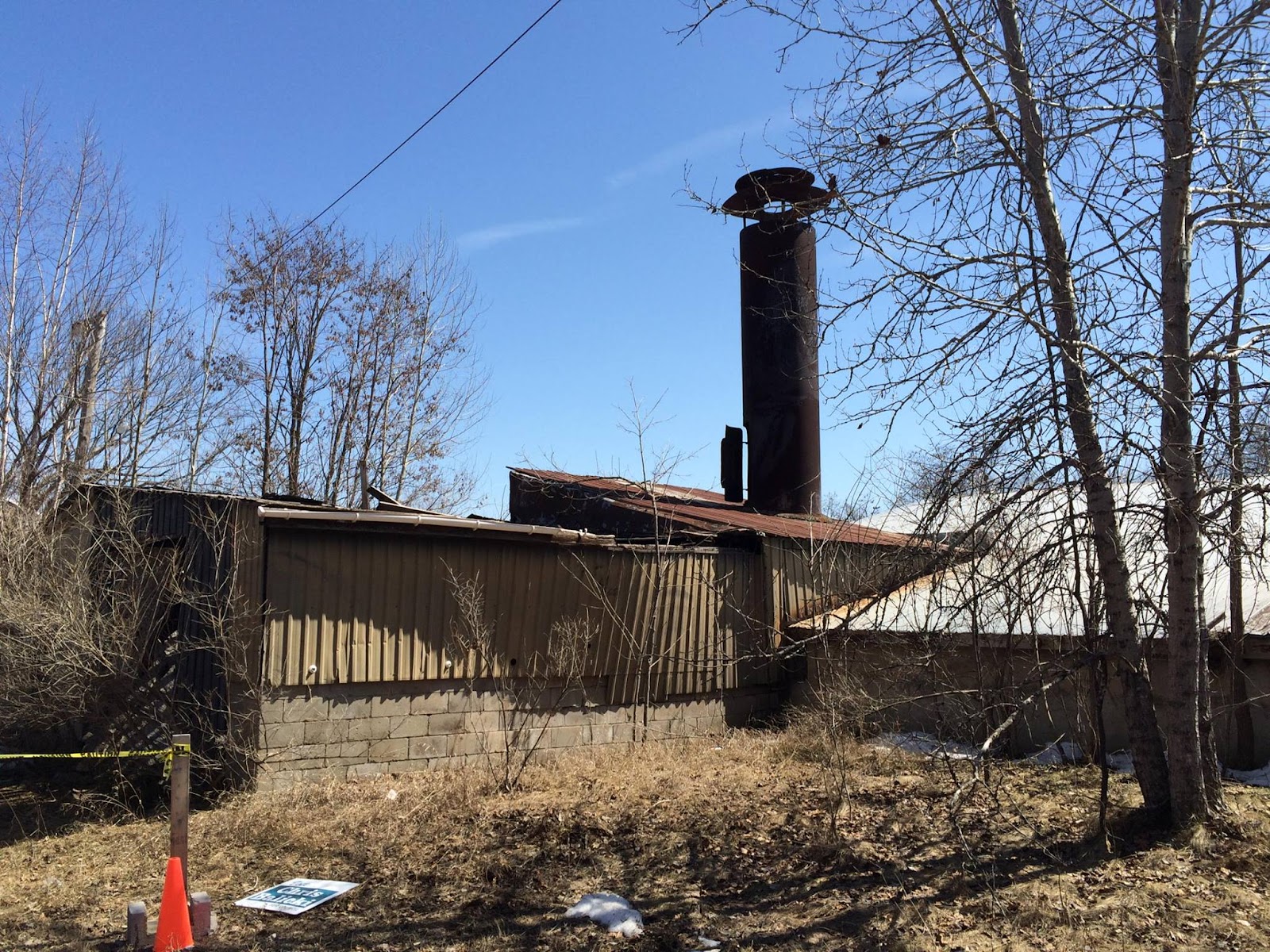
As I have mentioned in my previous Inspiration post, I have recently discovered the joys of exploration. Lately I have been concentrating on historical sites, abandoned vehicles or deserted buildings. I have found that this sightseeing can be good inspirational material for writing.


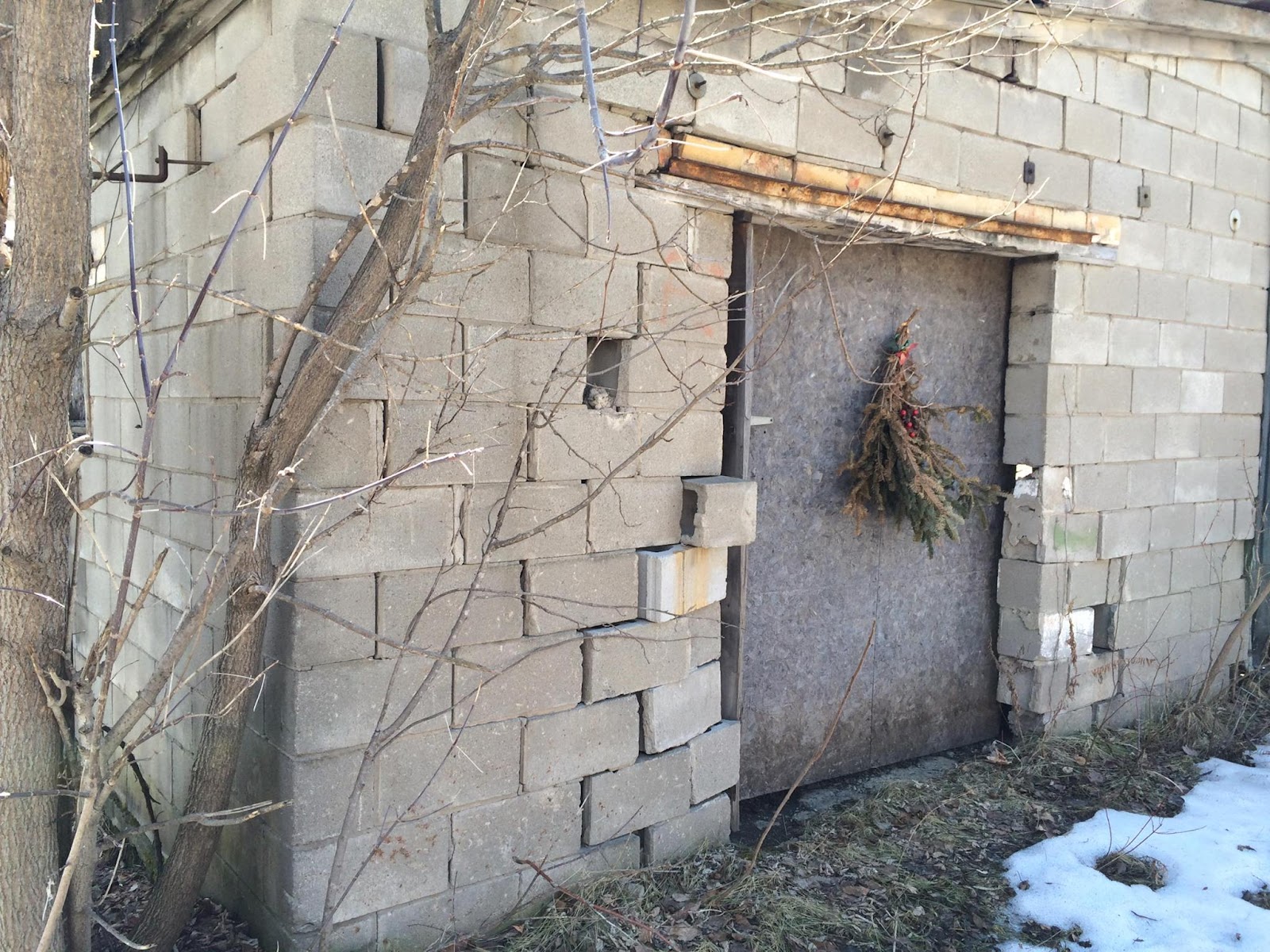
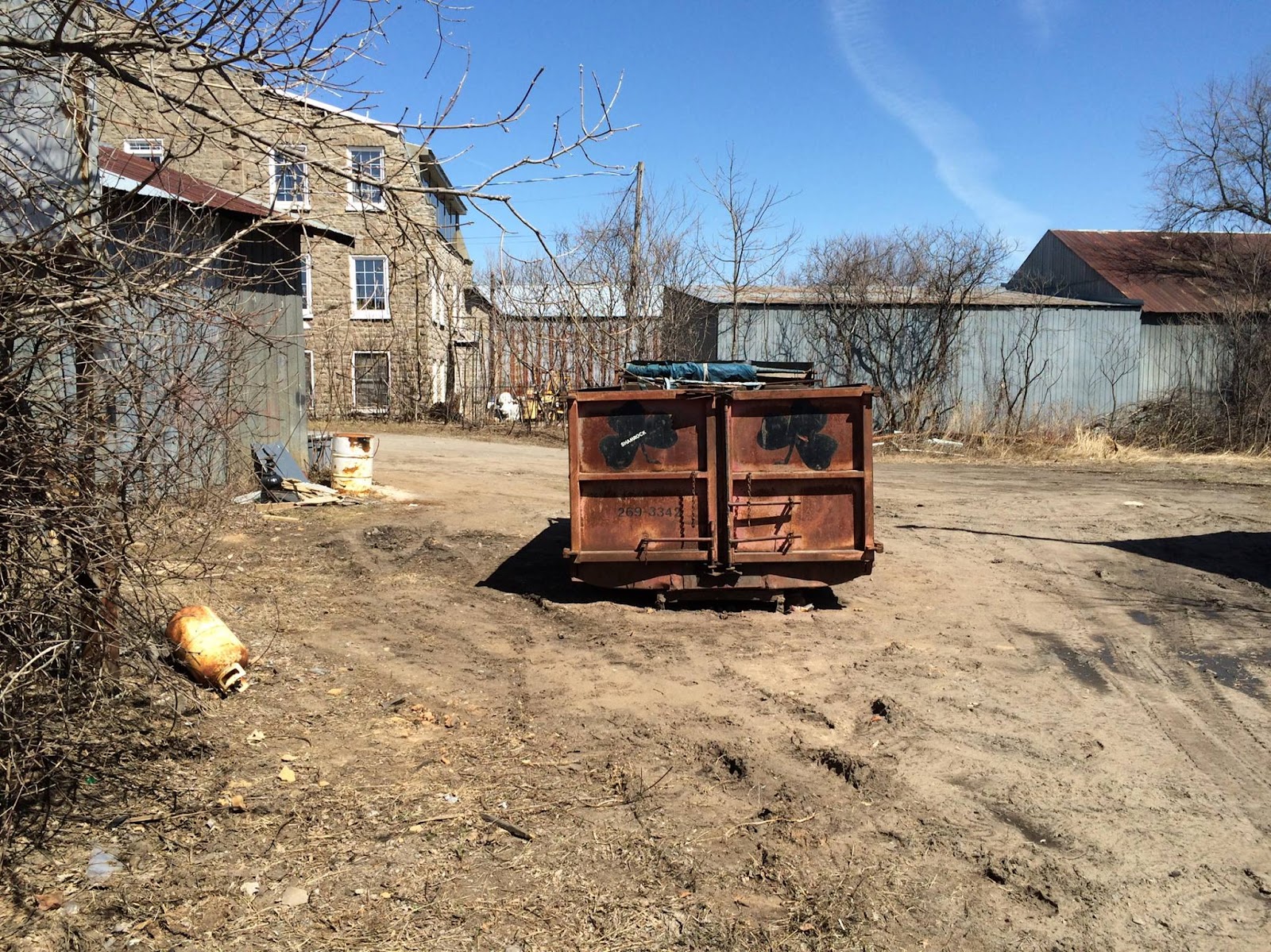
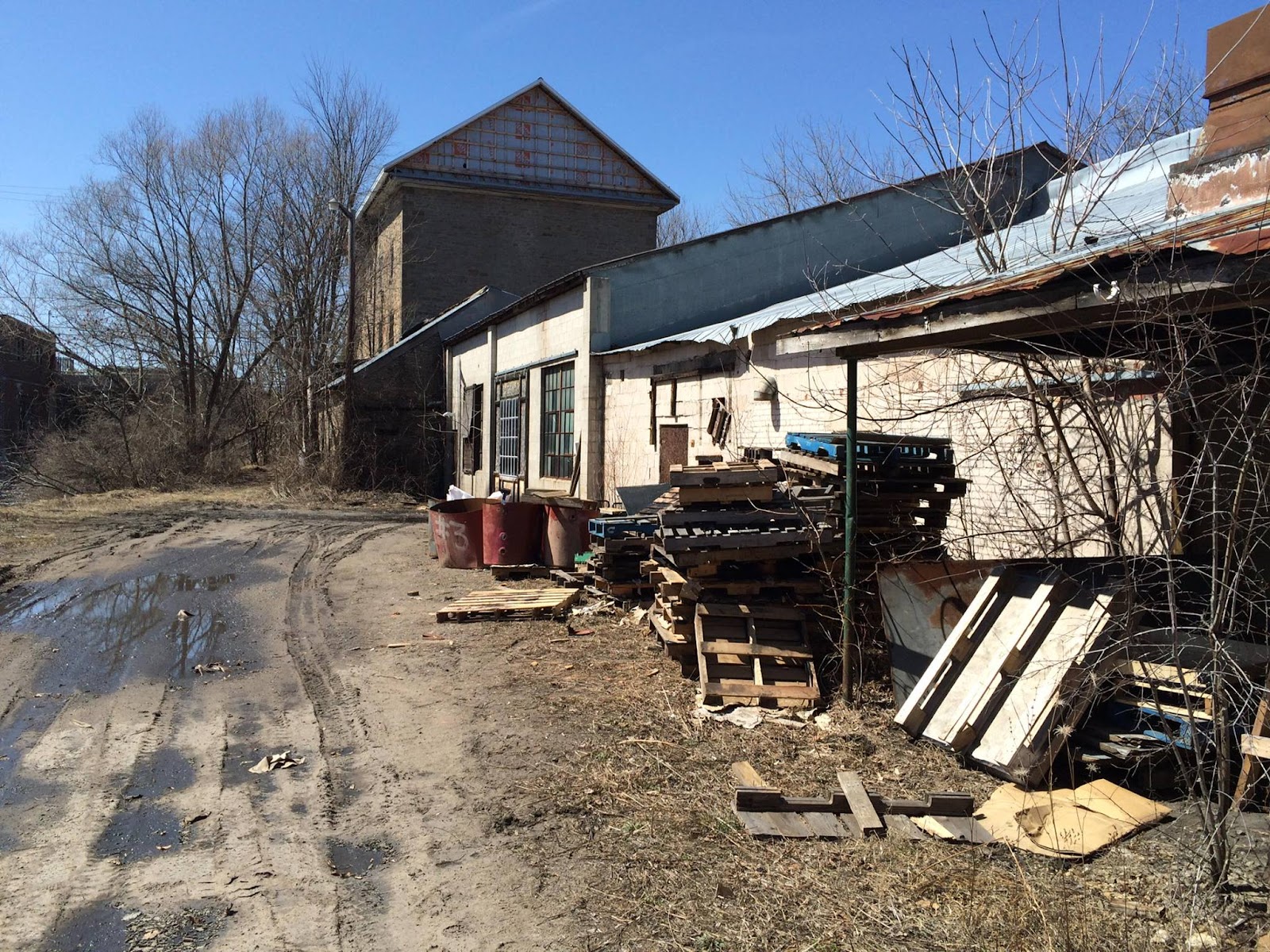
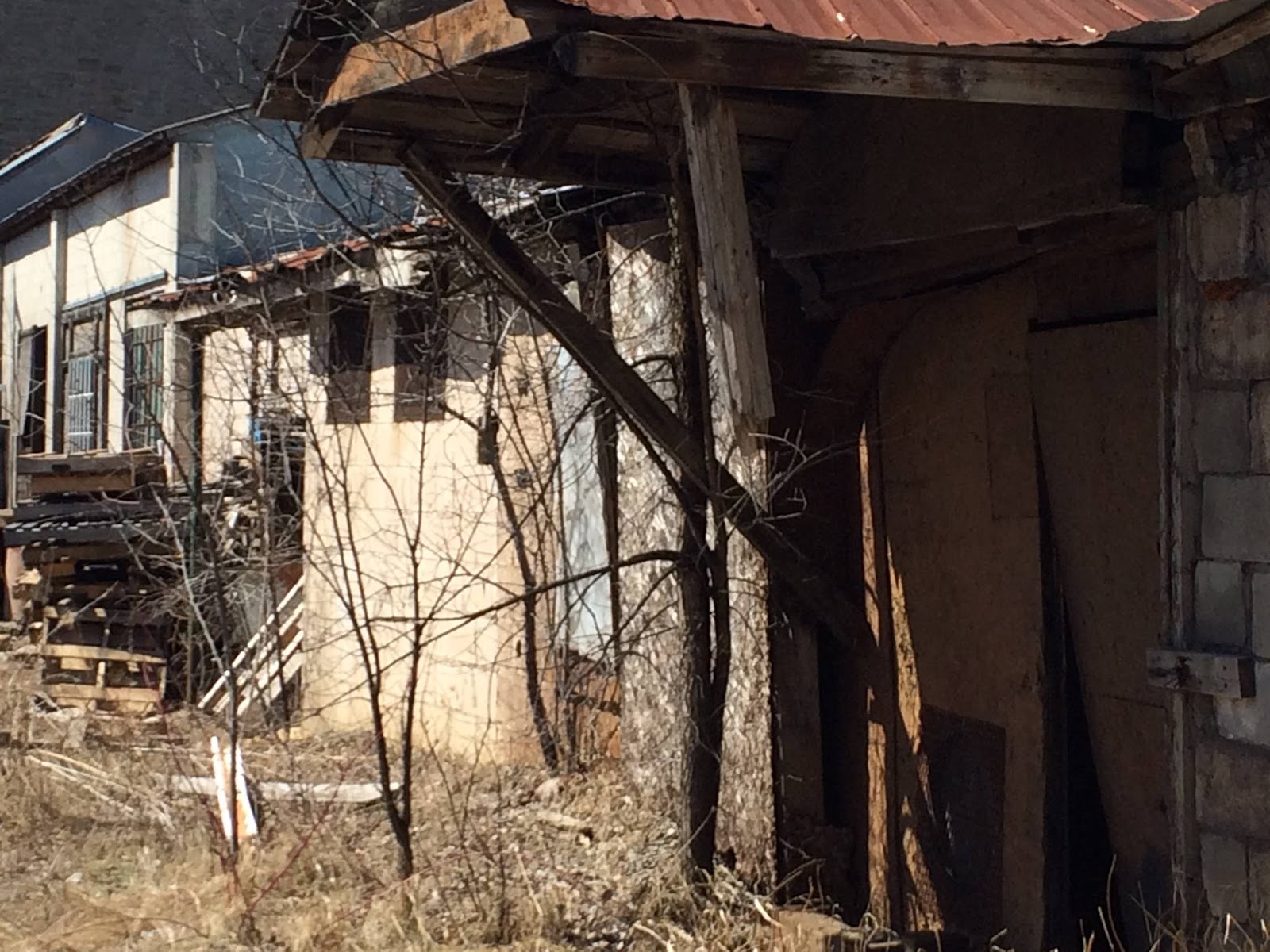
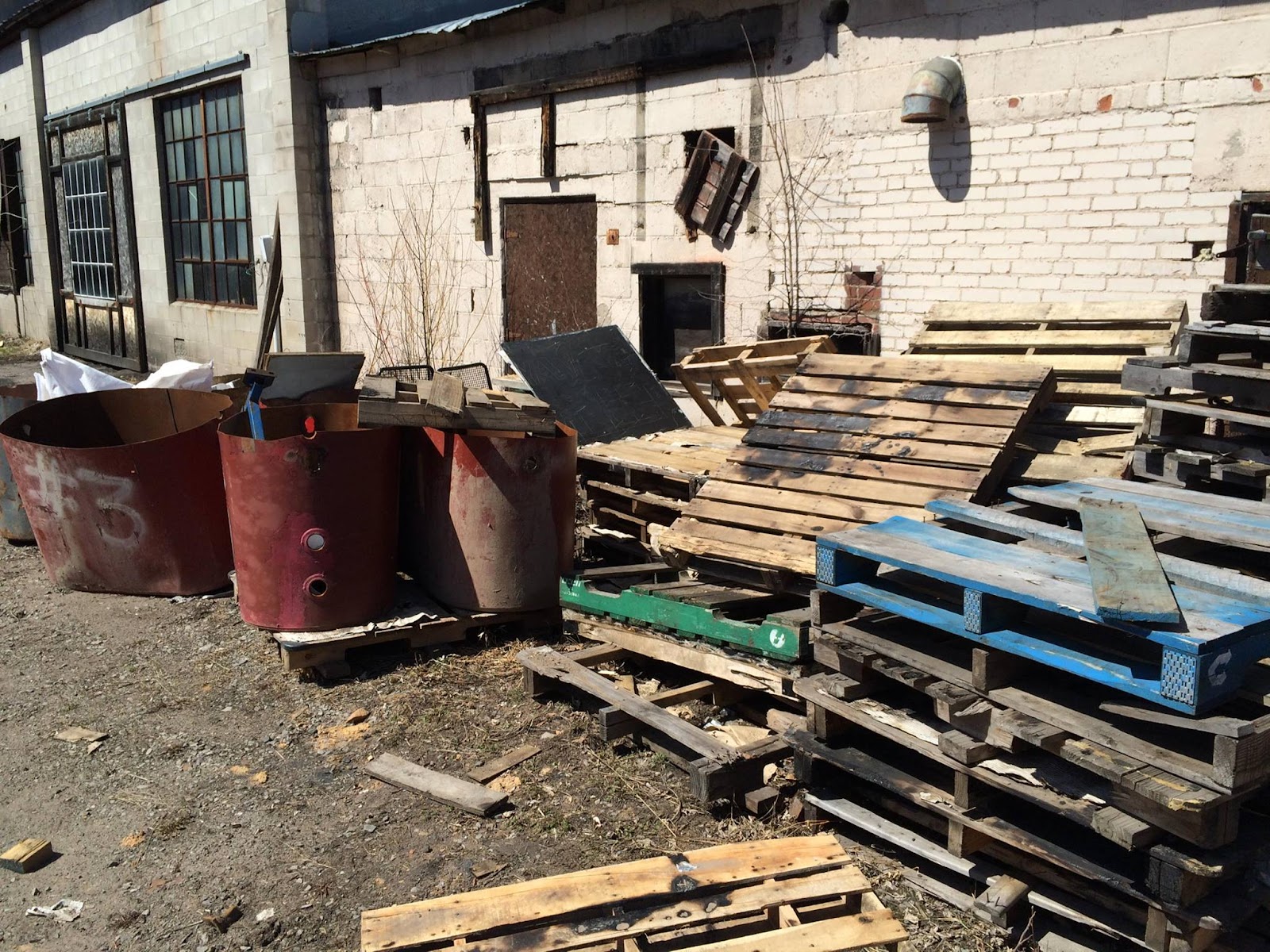
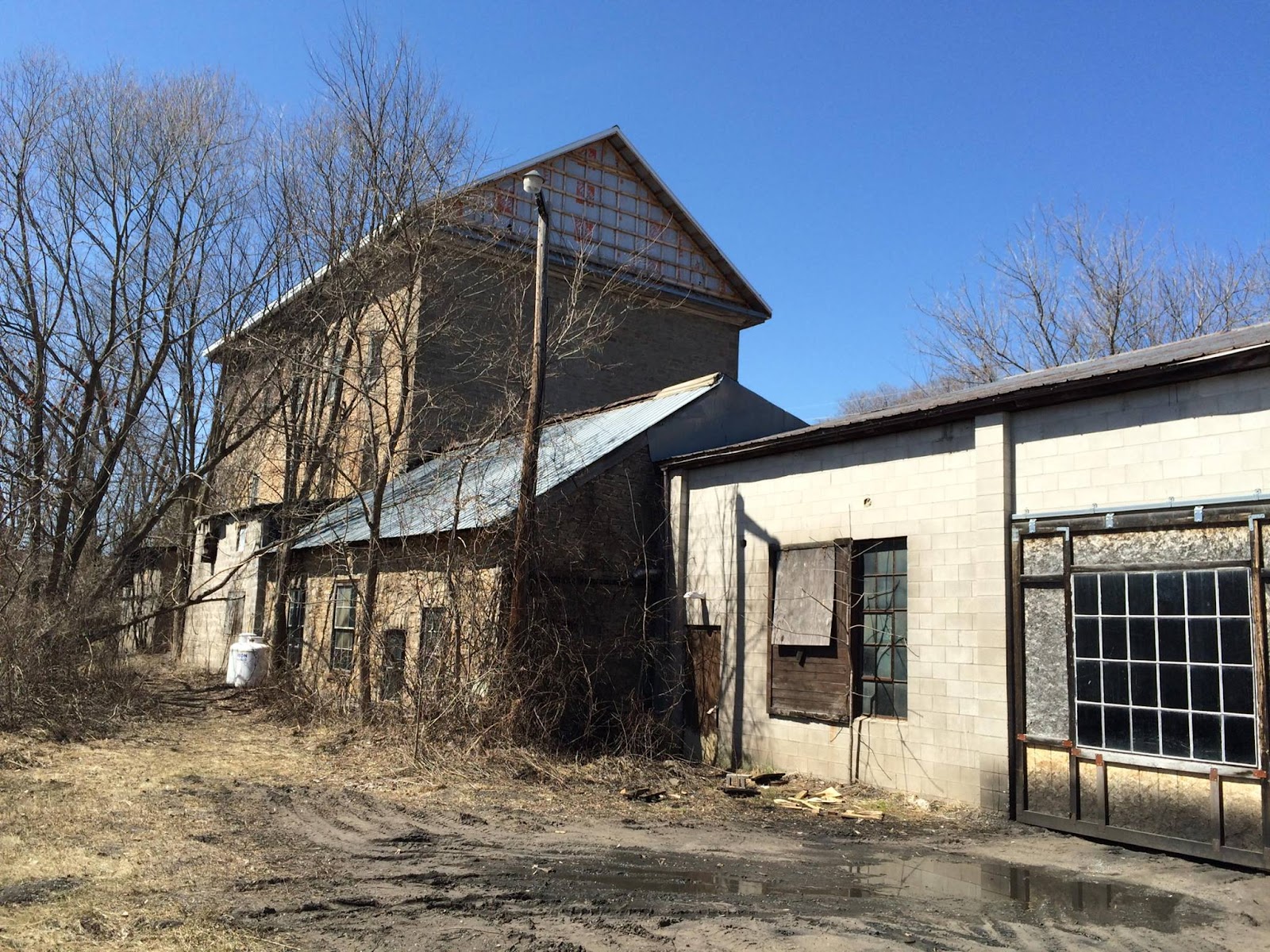
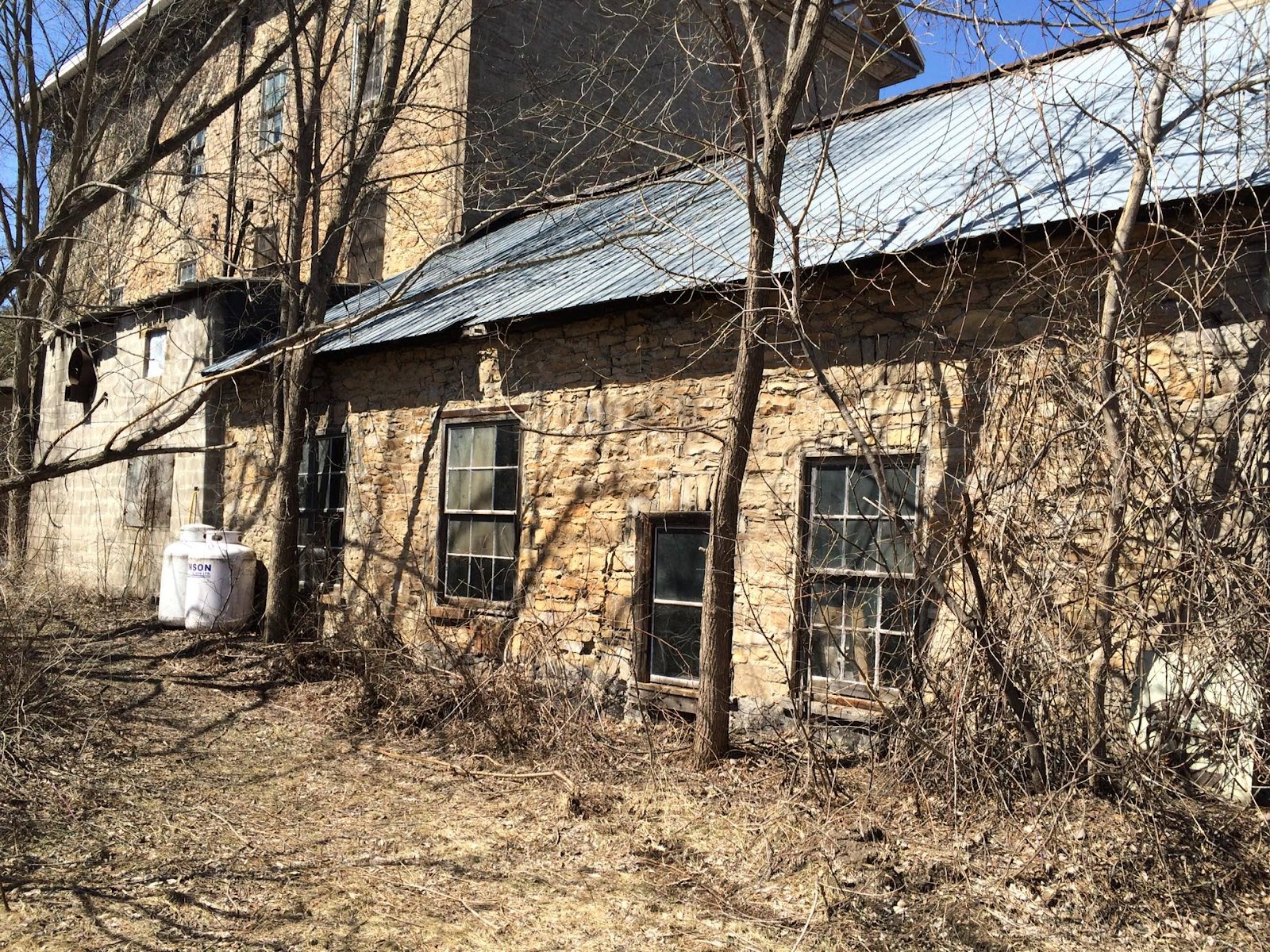
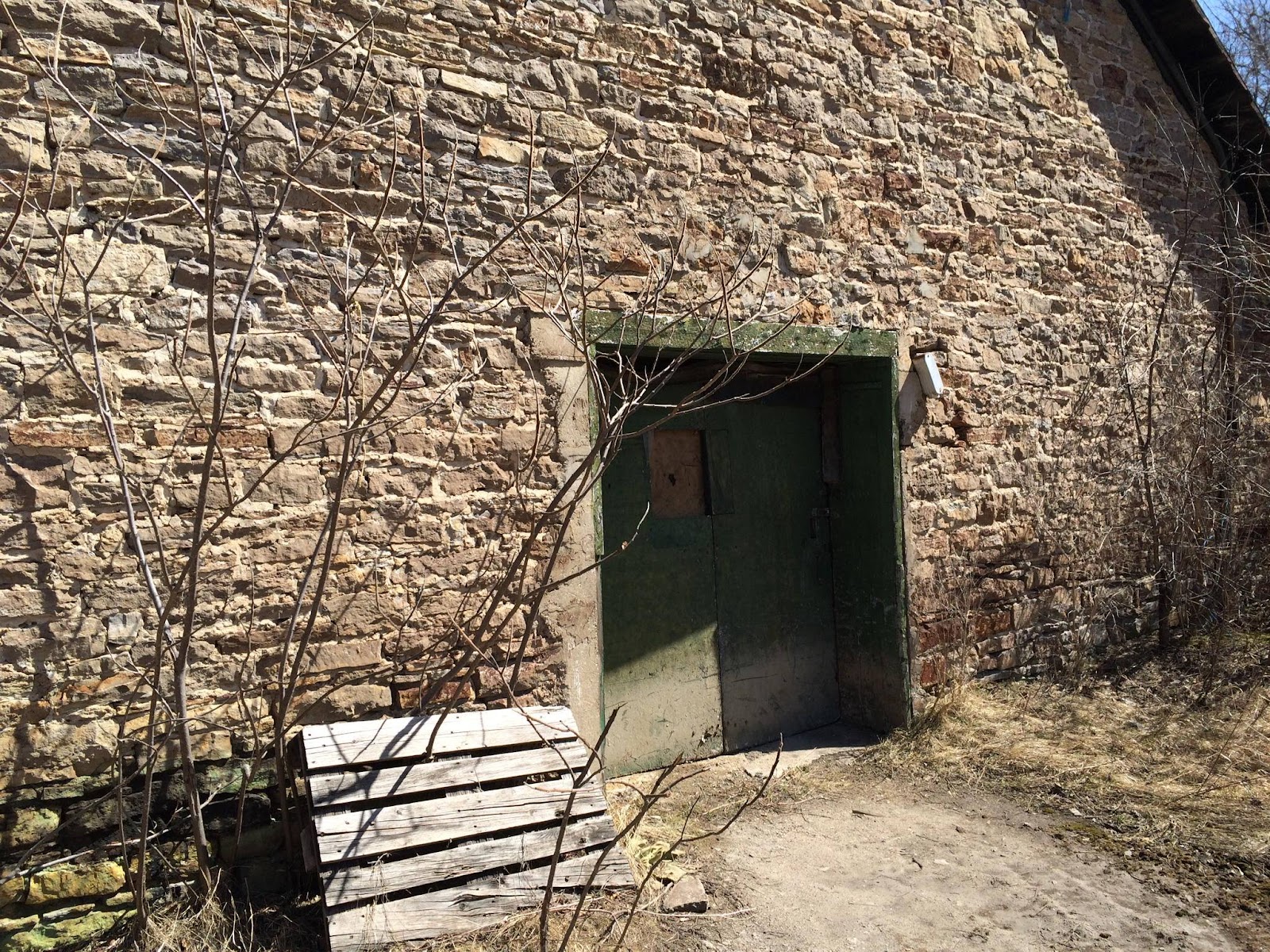
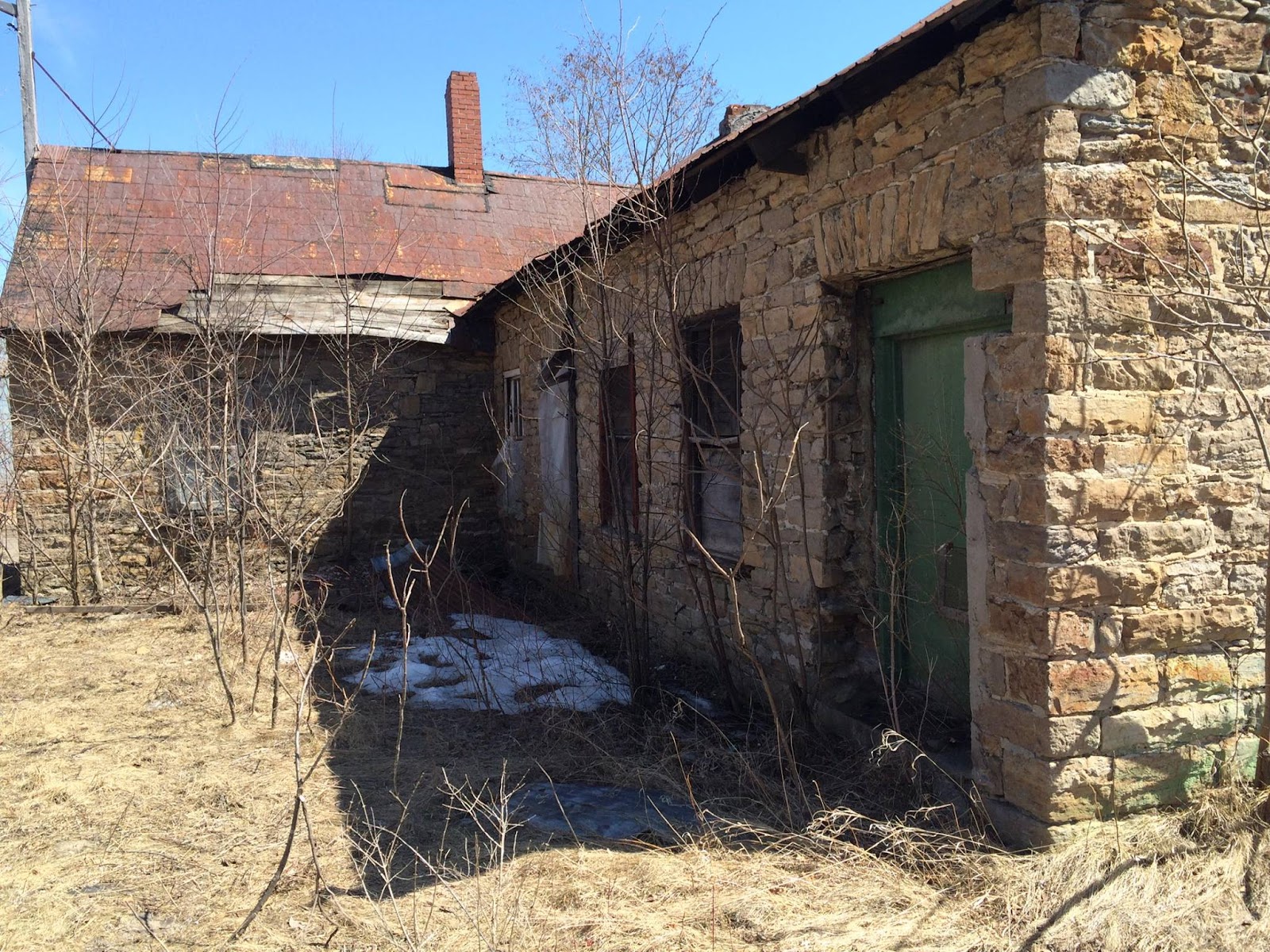
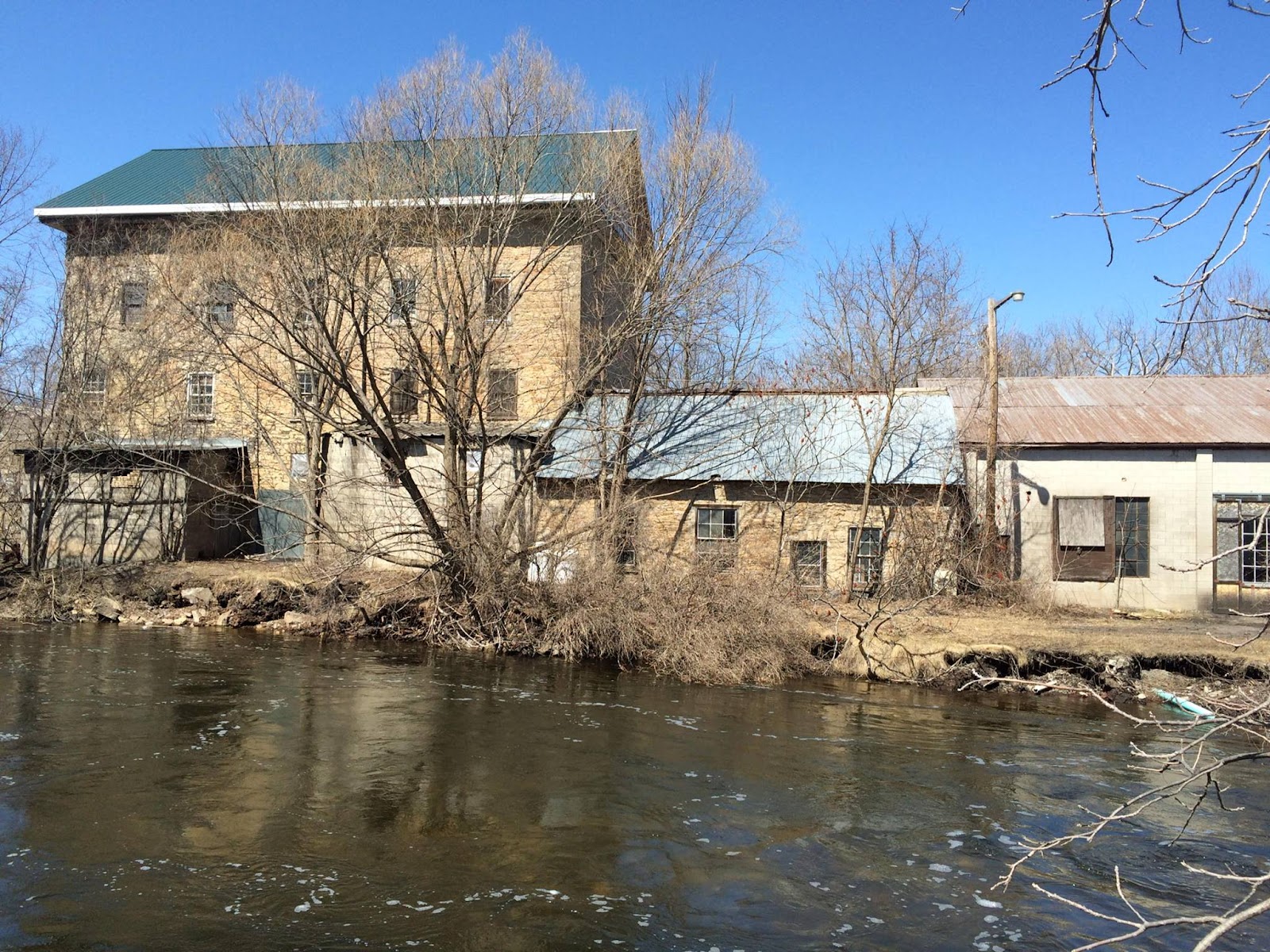
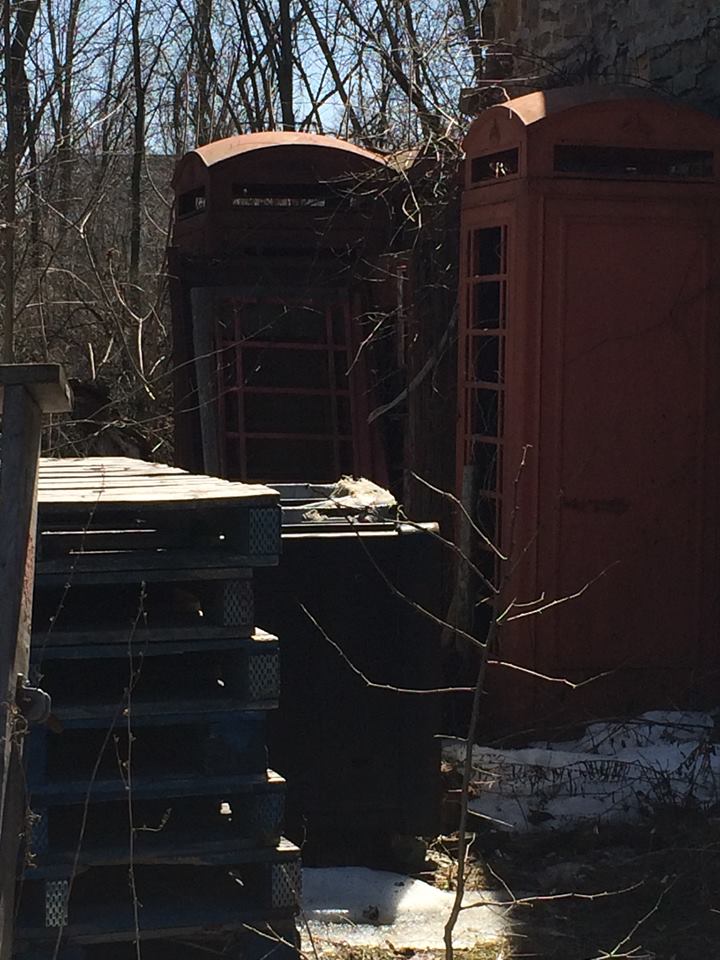
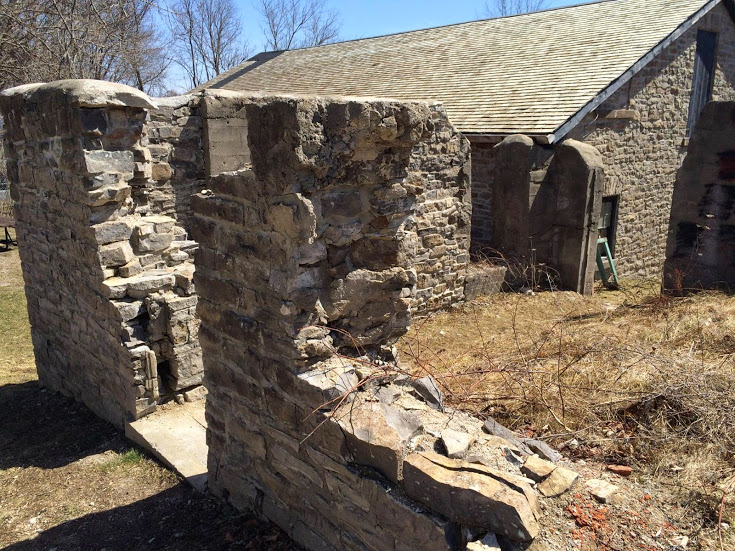
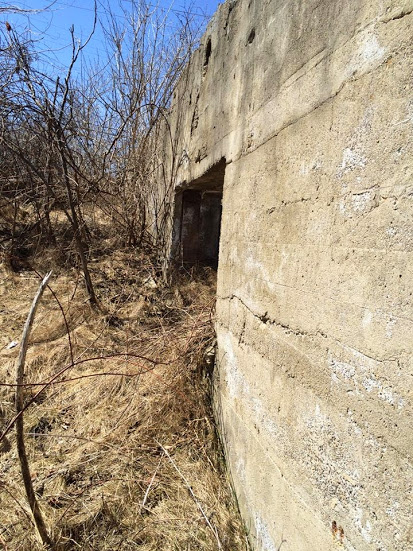
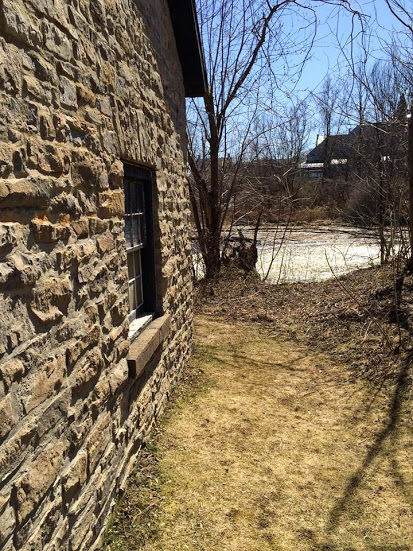
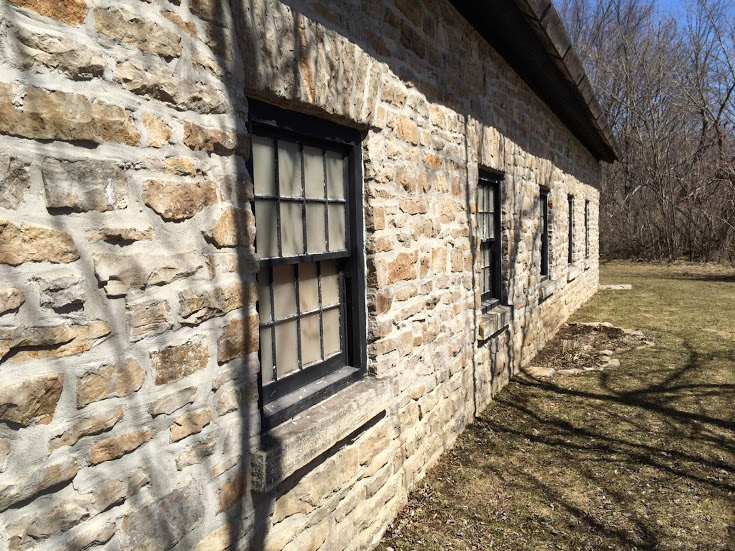
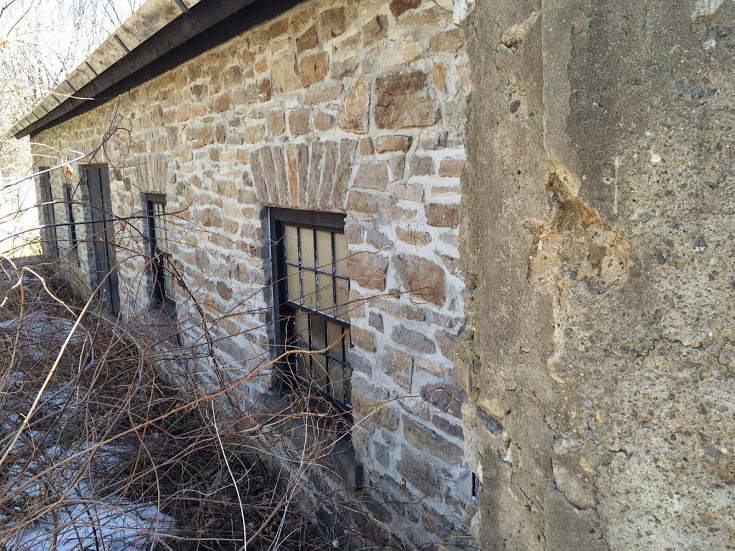
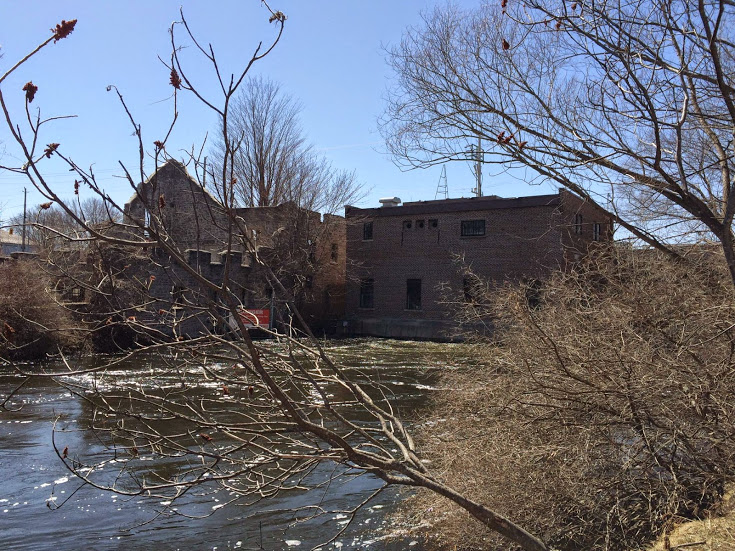
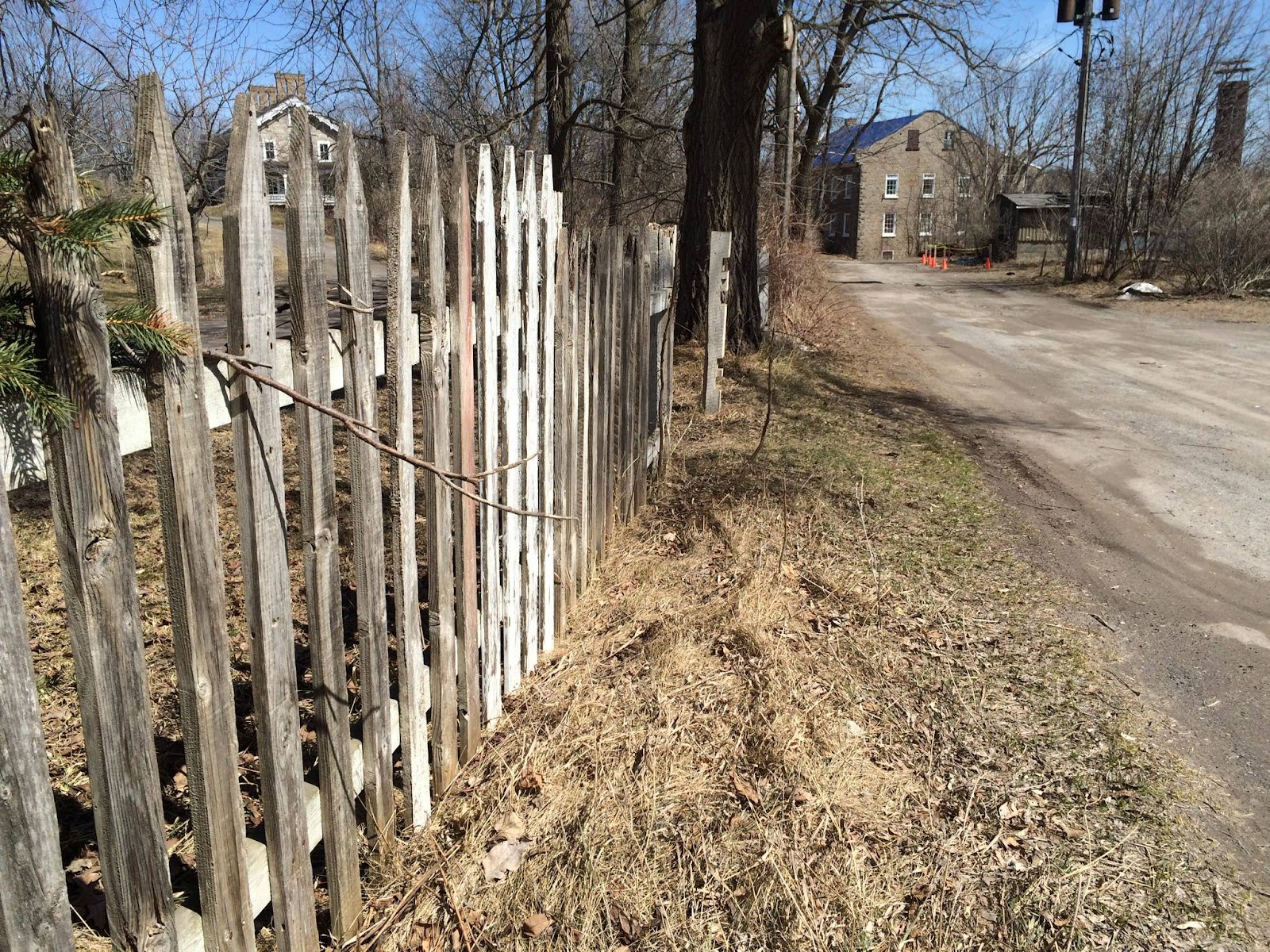
This entry contains more photos of my travels to the town of Merrickville, Ontario. I found an interesting location, consisting of abandoned buildings currently being used for (what appears to be) nothing more than junk storage. Broken down doors, caved-in roofs, crumbling walls… this small isolated section of town was once used for mills and workshops.


Some parts of these old ruins were blocked off to the public for safety reasons, others because they were considered private property. For these reasons, I will have to refrain from giving the exact location.


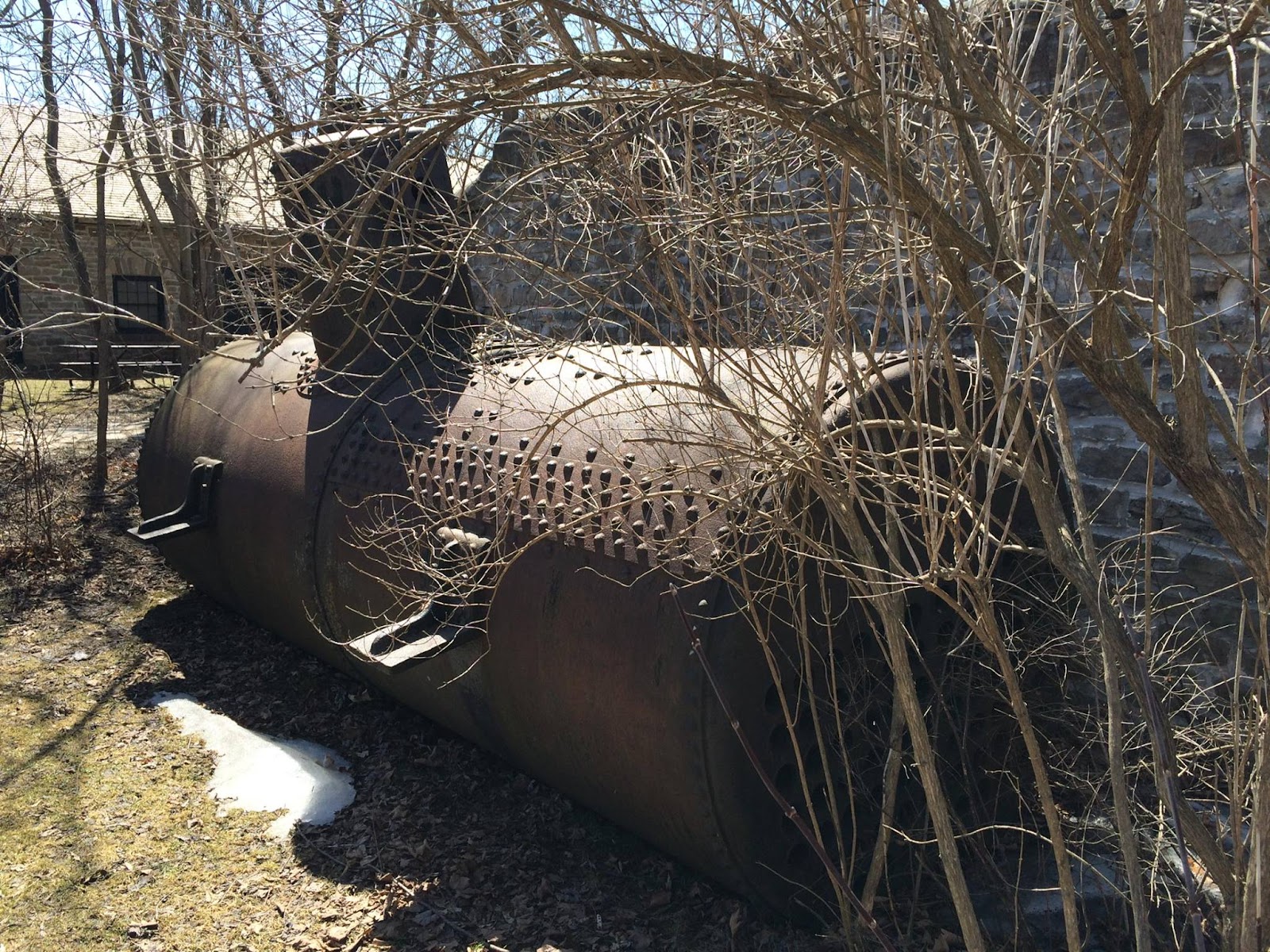
Some parts of these ruins give me the impression of being an abandoned town, years after some sort of catastrophic event. Some of the junk there was pretty interesting too, like old phone booths or industrial tanks. I especially liked the old Christmas decoration, which had been left on the door, forgotten for who knows how long.


Hope this has inspired some of you! I look forward to posting more pictures of my future explorations!


Until next time!


Cheers,

Patrick Osborne
Monday, June 1, 2015

Current Projects Part 5


Welcome back!


        Time for another update on what I have been up to lately. In today’s “Current Projects”, I have several things to cover. This past month has been about trying new things and taking new approaches to writing.


        One of the things I have found myself struggling with lately is time management. Between work, volunteering, writing, blogging and taking care of business around the house, I am left with little time to myself. So I have tried my best to juggle my schedule in order to maximize the amount of work I can get done. Recently I had the opportunity to talk to a good friend of mine whom I hadn’t seen in a while. His advice was to give myself deadlines, this way it holds me accountable and motivates me to get stuff done on time. I can’t say I see that as a possibility right now, but I don’t know if that uncertainty is based off of my insecurity or lack of experience. It is something I will need to work on for sure.


I have made a few tweaks to my blog over this past month. For example, modifying the placement of ads or implementing new pages in order to facilitate finding information. It is still a work in progress, but I should have several pages up and running by the end of this month. Currently I have 2 pages up; the Book Review Page and the Boot Camp Page. These pages, along with future ones, will contain links which will guide you to the original post. I trust my readers will find them helpful and easy to navigate. The app displaying these pages can be found on the right side on my blog.


Another thing that has been added is the new “Inspiration” posts. These posts will be about my explorations to new or deserted areas, people I have met or events I have participated in. The purpose is to share these real world elements to serve as inspiration for stories. I currently have one posted already from my trip to Merrickville, and have several more banked for future months. I also have two trips planned later this summer for blog posts; the Greek Exhibition at the Canadian Museum of Arts and a trip to Chicago. So looking forward to them!


Regarding my work with Missing Worlds Media, I have just finished working on the storyline project for villainous characters! I will be editing later this week, then will be ready to submit for review. The way I described the process may sound boring, but it is a lot more interesting than it seems.

As for my own work, I have almost completed my list (a.k.a. Backbonetm). The only section that remains to be filled out is the plot line. Before doing so, I want to complete my character sheets. This is to help me get a clear idea of the players before ironing out the plot. I started with my main character first… and what a challenge he is turning out to be! In order to make him credible, I need to pay close attention to his timeline, which is requiring tons of research. Oh, did I mention said character is an immortal and has been alive since 1600 BC? So ya, lots of research on history.


        Finally, I have been working on building a vocabulary bank. Basically, it is a database of adjectives and verbs separated by theme, tone or mood. Being french, this english vocabulary word bank was more necessary than I thought. This will come in handing when I actually start writing my story.


        That is all I have for this month. These “Current Updates” posts have proven to be more motivating than I expected, as it shows me that I made more progress than I realised. I hope they have been motivating to others as well.


Until next time,


Cheers.

Patrick Osborne


(edited on 2016-01-08)


Friday, May 29, 2015

Opening Hooks


Welcome Back!


    A while back in my post “Current Projects Part 3”, there was mention on how I came up with a “hook” for my first chapter. It recently dawned on me that I never looked at that subject in depth. So after doing some further research, here is what I found regarding Opening Hooks.


Luring them in.


The purpose of a fishing lure is to draw attention, allow its targets to grab onto it, in order to finally reel them in. In storytelling, the Opening Hook is a literary technique found in the first few lines, paragraphs or even pages, which plays a similar (but much less painful) role. It’s goal is to draw the audience into the story by piquing their interest, and holding onto to their attention long enough to make them want to continue reading.


To achieve this, a writer must find the correct balance of information to give the reader in order to feed their Narrative Drive. Too much and the reader will lose interest, too little and the reader will be less motivated to continue. To properly “bait the hook”, we need to give out enough details so that the readers are curious about what is going on, but not enough for them to know what is happening. Successfully creating this eagerness within the audience will allow them to be immersed in the story by making them want to learn more or find out what happens next.


    A compelling Opening Hook should focus on specific details from the story, such as characters or setting, rather than generalized ideas. Here are four basic approaches:


1. Introduction of a character:

Arguably one of the more popular methods is to begin a story with the introduction of the main character. Revealing key features of an intriguing character creates a bond with the reader, drawing them in. It is important to remember to adequately introduce the character to the audience, giving them time to adjust before throwing said characters into the action.  Furthermore, introducing too many characters simultaneously will bombard the reader with too much information, making it difficult for them to tell who’s who.


2. Description of the setting:

Introducing readers to the setting by describing key features allows the audience to paint a picture in their minds. By controlling the information and details that are revealed, the writer can create a sense of mystery, therefore motivating the reader to find out more. As mentioned earlier, giving too much information will cause the reader to lose interest, therefore initial descriptions must be kept short, saving the crucial details for when they are needed.


3. A pivotal moment in time:
One of the main reasons we continue to read a story is to find out what happens next. By starting a story in a specific moment, one where there is some catalyzing action taking place, causing the reader to wonder why are these events happening. Writer’s may also begin their tale from the middle, making readers wonder what events lead to that situation (this technique is called In medias res, see my previous post called “Plot Twists” for more details).


4. Beginning with an uncommon situation:
Unusual circumstances will pique reader’s curiosity, intensifying their desire to understand or deduce the cause. An example of a compelling way to start your story would be to use a contrarian approach. By creating a situation with a strong contrast, the writer will succeed in engaging the audience right away. For example; finding a body in the middle of a desert that died from frostbite. Creating an unknown, then leaving clues to solve it, can be a satisfying reward for the reader.


    There are a few approaches to avoid when working on an Opening Hook. Writers will want to steer clear from starting their story with dialogue. Until the audience can have an idea of who is talking, opening with dialogue may confuse the reader. Another thing to be careful of is adding too much information, as excessive description or irrelevant details will turn off the reader and discourage them from continuing.


    This concludes my lesson on Opening Hooks. I can't wait to be able to share mine with you. Hopefully this post has proven to be some use to you.


Until next time.


Cheers,


Patrick Osborne

Monday, May 25, 2015

Inspiration Part 1 - Wool Mill Ruins


Welcome Back!

        Over the past few months, I have been helping my lovely wife Linda with her new business. One of the ways I assist her is with vendor events; I load up the car, drive her to various locations and help her set up her booth. While she is doing her thing, I am left to my own devices. Up to now, I have been using this time by reading or writing.
        Recently, I have discovered another interesting way to pass the time: exploring! Many of these vendor events are in small towns and rural villages. Many of which have historical sites, abandoned vehicles or deserted buildings. I have found that this sightseeing can be good inspirational material for writing.

           So with this in mind, I came up with a new type of post: Inspiration! These entries will contain photos of my travels, of interesting locations i have come across or just other randoms things that help get my imagination going.

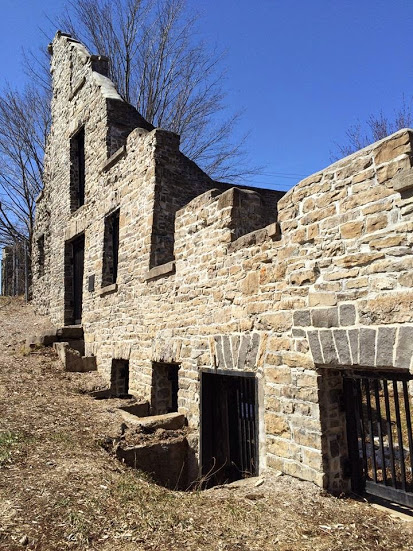
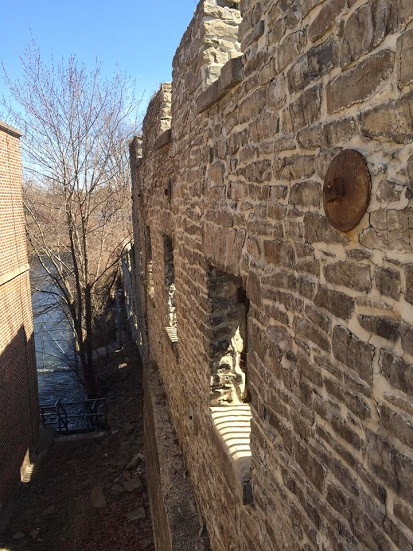
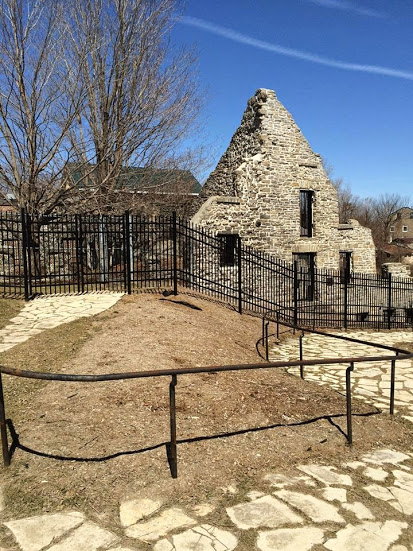
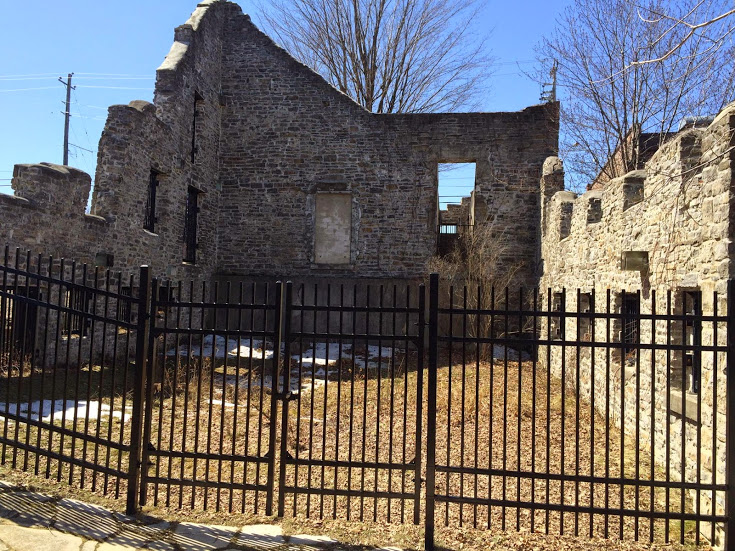
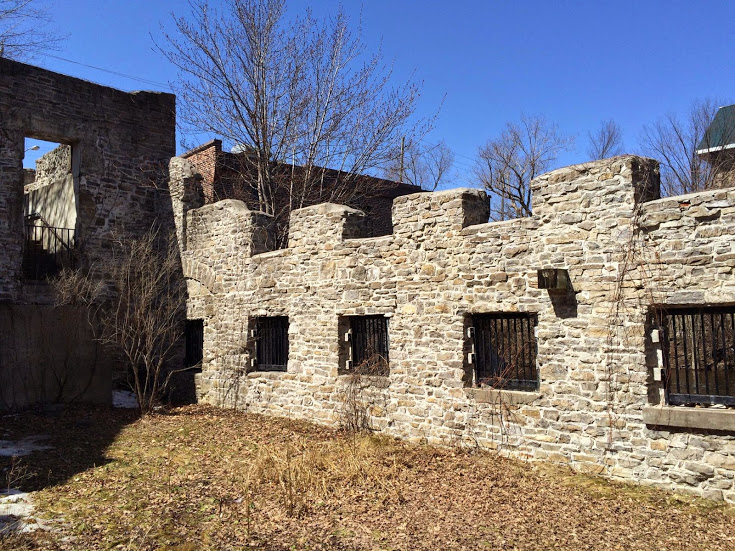
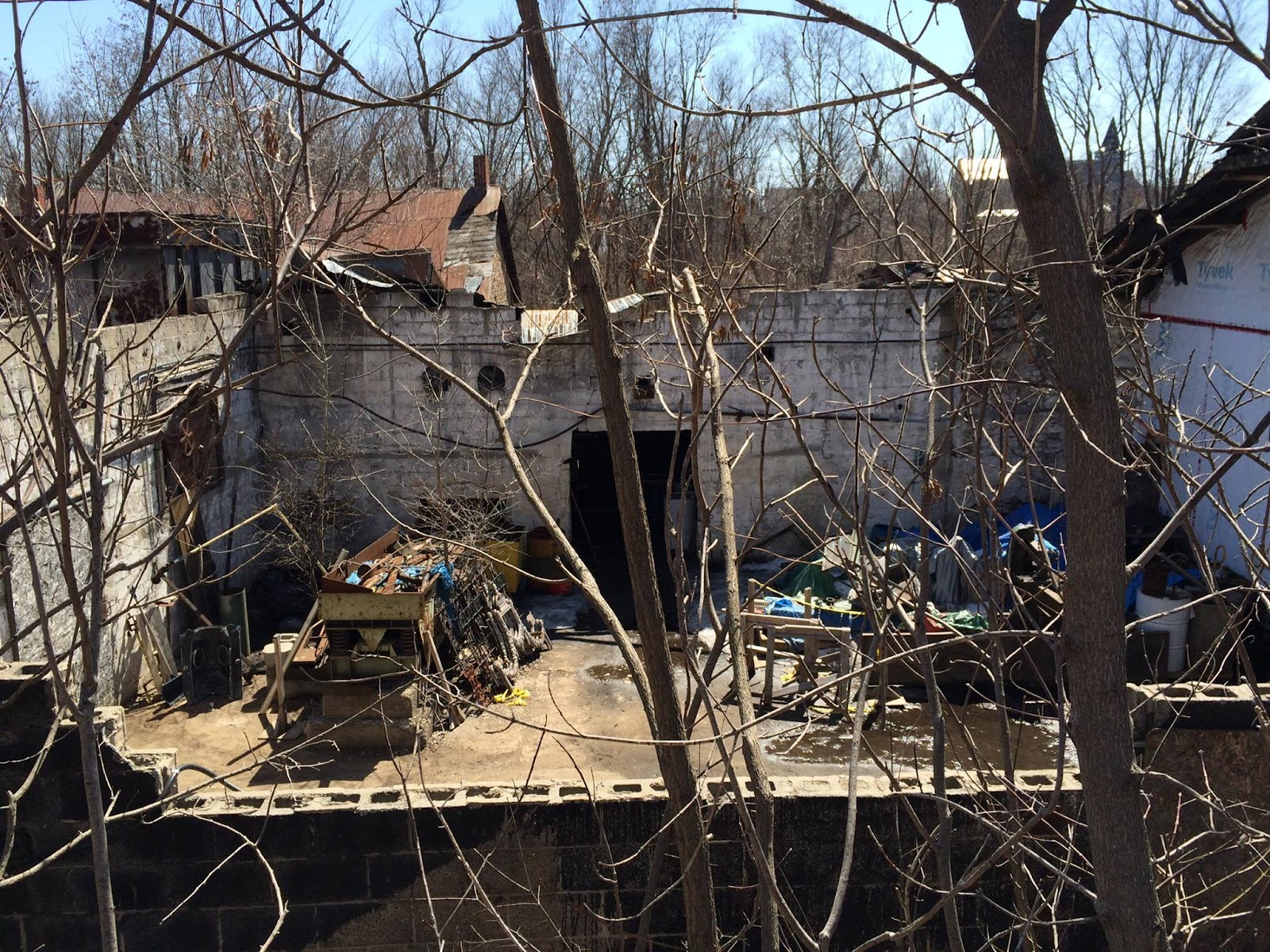
        My first location was a historical site in the town of Merrickville, Ontario. Some parts of these old ruins were blocked off to the public for safety reasons, but other parts were open, allowing me to get inside the actual remains.


        Some parts of these ruins give me the impression of being a castle that suffered an attack, it’s walls broken down. But this location was actually a mill. Here is the details on the historical plaque:

“Built in 1844 -Woolen mill leased to Thomas Watchorn - later bought - ran until Nov. 1, 1954 - 106 years - standing on the upper floor, you could feel the floor move as the shuttles were thrown back and forth in the looms - there had been 2 fires and so the mortar had become unstable, resulting in its closure.”

        Hope this has inspired some of you! I look forward to posting more pictures of my future explorations!

Until next time!

Cheers,

Patrick Osborne
(edited on 2015-12-22)