Welcome to my blog!

Welcome to my blog! This is my journey, my first steps into the world of fictional writing. This blog is an online journal of sorts, where I share the progress of my work as well as what I have learned along the way. I hope you enjoy your time with me and that my experience may be of some use to you.
Showing posts with label Thriller. Show all posts

Friday, February 16, 2018

Interview - Hope White


Welcome back!


Today we have something special; an interview with published writer, the lovely Hope White. This is the first time I have had the opportunity to interview an author who I’ve had the joy of reading.


I approached Ms. White back in December, shortly after having read her book, Covert Christmas. While working on the book review article, I discovered her website, and found her email address. I decided to take a chance and contact her. To my surprise, she contacted me back a few short days later! I’m super excited to have her with us today!


On to the interview!
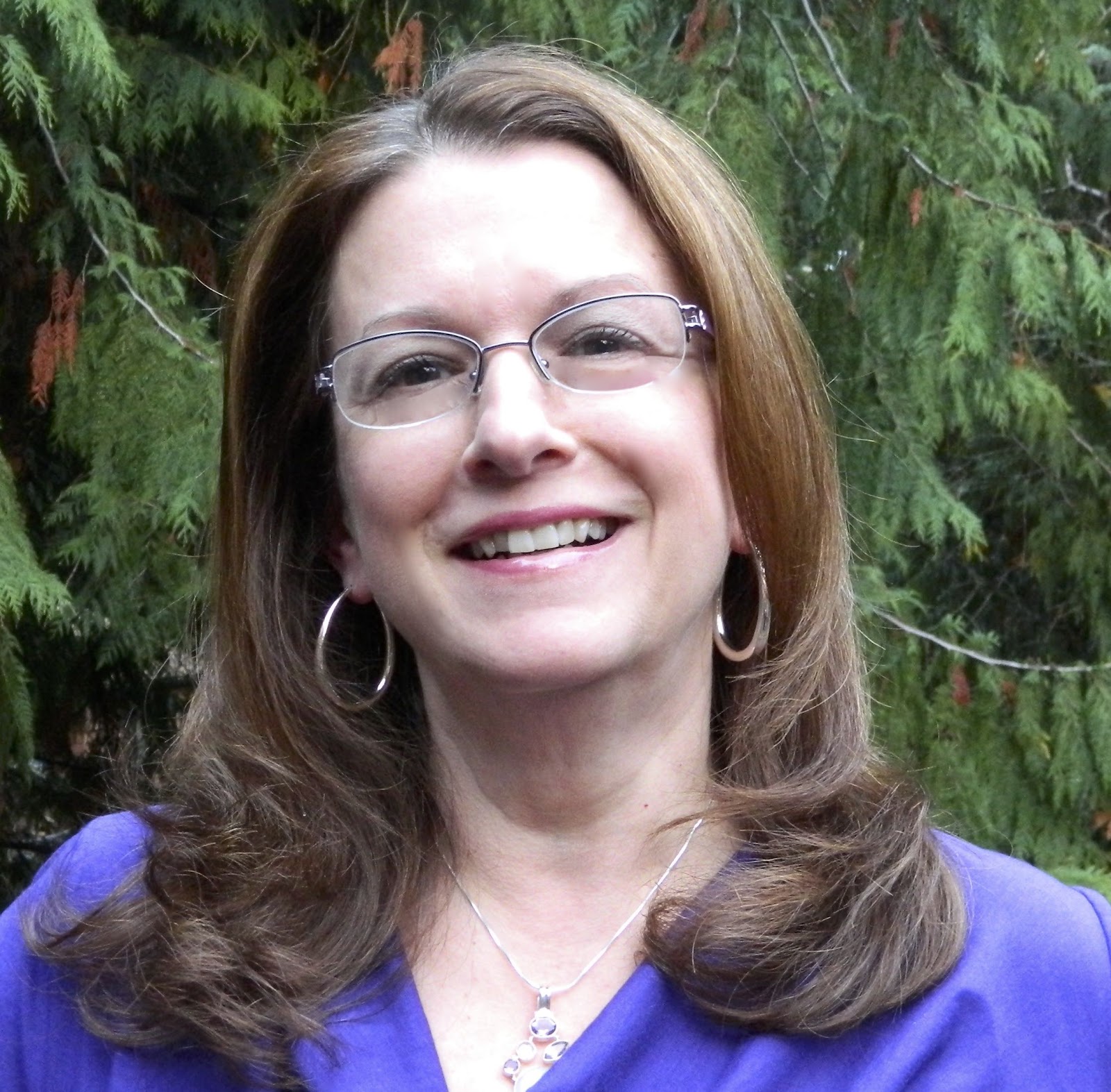


Short Bio: With a degree in journalism, Hope White started her career as a reporter for a small town newspaper.  Years later she decided she wanted to do more than report the facts – she wanted to take readers on a suspenseful and thrilling adventure.  Hope has published 11 romantic suspense novels with Steeple Hill including her popular Echo Mountain Search and Rescue series. When not at her computer, Hope can be found hiking a mountain trail to stimulate ideas for her next book.


Published Works:
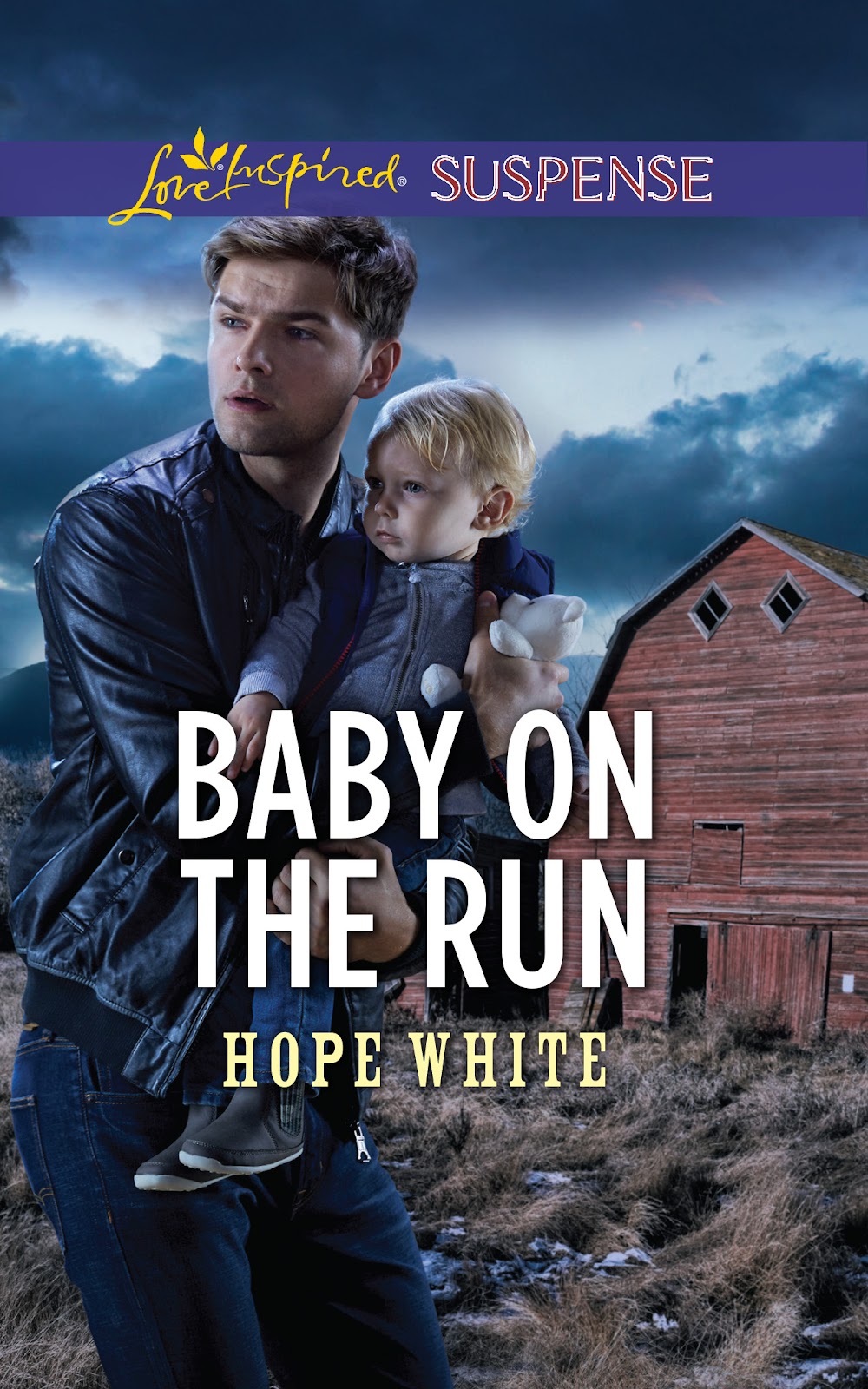


Search and Rescue series

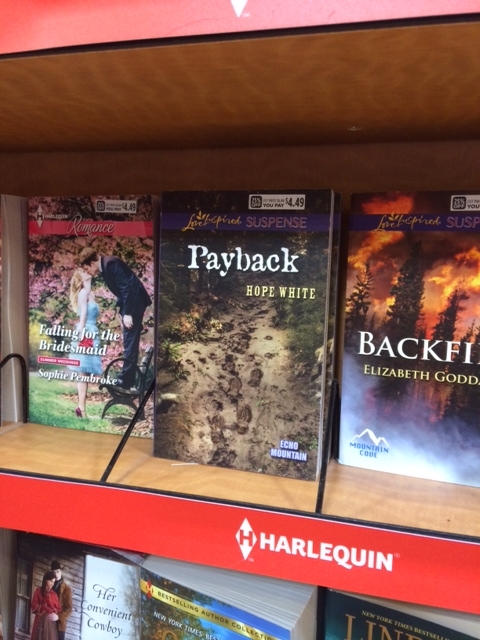
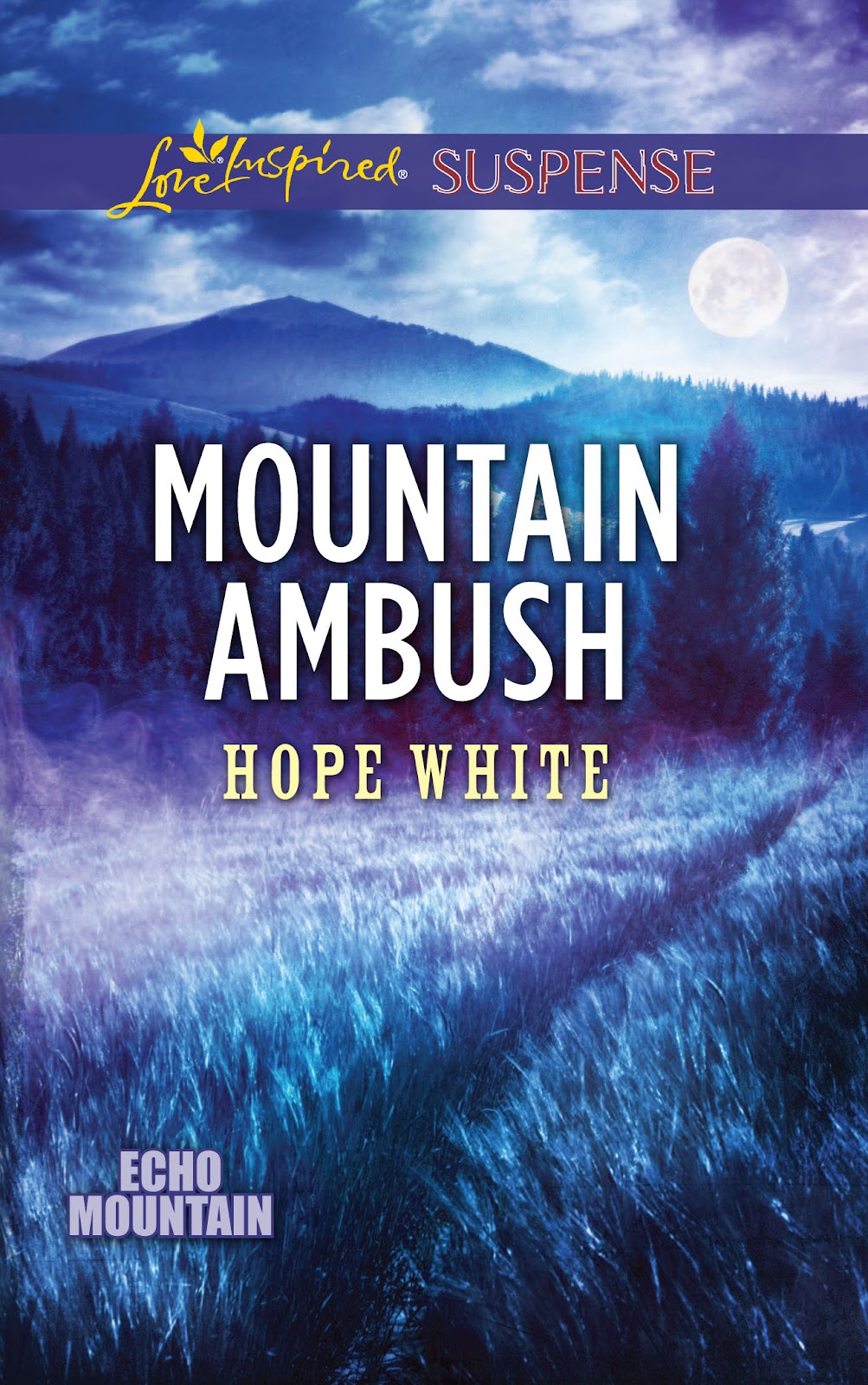
Mountain Rescue, Payback, Covert Christmas, Witness Pursuit, Christmas Undercover, Mountain Ambush


Stand alone books: Safe Harbor, Hidden in Shadows


Port Whisper Series

Witness on the Run, Christmas Haven, Small Town Protector


Coming Soon:

Lost and Found Baby, Jan. 2018 EHarlequin Short story

Baby on the Run, February 2018 (The Baby Protectors)


Current Projects: (if any)

Bodyguard Series for Love Inspired Suspense


Website/social media:

Hopewhiteauthor.com

Facebook.com/hopewhiteauthor


When did you begin writing?   


I’ve always been a storyteller, even as a kid.  I wrote my first book when I was 11 and had a friend illustrate it.  It was a mystery-thriller even back then!


Did you receive any special training or attend a school?  


I have a B.A. in journalism.  After years of newspaper and PR work, I decided it was more fun to make stuff up.  I had to relearn how to tell story in the fictional sense, which was totally different from collecting facts and sharing a non-fiction message with readers.


Where do you get your inspiration from?  


Everywhere!  Other books, movies, newspaper stories, conversations I overhear in the Starbucks line.  Writers are ALWAYS listening.  Sometimes ideas come to me when I’m listening to music or cleaning the house.  Which doesn’t make me want to do more housework unfortunately.  Another great way to develop ideas is to meet with other authors and brainstorm.  One story can be told a dozen different ways.  It’s a fascinating process.


Do you use any special resources when writing? (other books, computer programs, etc)


Blake Snyder’s “Save The Cat” book, plus his Beat Sheet for structure. Character development articles by Michael Hauge.  I hope to outline more, and have heard GREAT things about Scrivener.


What is (in your opinion) the most important thing to remember when writing, and why is it so important?

Get out of the way!  It’s important to let your characters develop the way they need to develop and not muddy up the waters by shoving them around.  If you’ve created strong characters, they will drive your plot, which makes for GREAT story.


What is (in your opinion) the most challenging part of writing, and how do you overcome it?


Staying focused. I mean once I’m “in story” it’s easy, but getting there can be challenging.  So many diversions – Facebook, Twitter, etc.   The best way to counter this distraction is to set goals and commit to writing for one hour.  That’s it.  Most of the time you’ll find yourself writing longer, but it’s less intimidating to go into the process with a one-hour commitment ahead of you.


Did you use an agent? (why or why not?)  


Not at present.  I have had a few in the past.  I don’t need an agent to negotiate with my current publisher who has a very standard contract.


Did you use an Editor? If not, what process did you use to edit your work?


I work with an editor at Harlequin AND hire an editor for my self-published projects.


How did you get your book published? (self-published, Vanity publishing, Mainstream publisher).


Most of my books are published through Love Inspired Suspense, aka Harlequin.  My fiction career started when I won a writing contest and the editor judge asked to see the book.  Contests are a great way to get noticed! I self-publish contemporary romance novels as well.


Do you handle your own marketing?  


Yes, and am working to get better at it! I belong to a few self-published author groups to get lots of tips on how to expand one’s audience.  May authors feel that promotion is key when you’re self-published.  I agree.


What is your best marketing tip?


Join an online indie group.  Even if you’re published traditionally, you’ll learn a ton from other writers.  Also, I’ve used Fiverr to promote. Inexpensive and boosted my numbers!


Do you have any advice for other writers?


Sure.  1) Write because you love it!  2) Write the book you want to read.  3) Create a tribe – other writers who can give you feedback and offer support.


In closing, I would like to thank Hope for doing this interview. As someone who is still in the process of finding himself as a writer, I found her energetic personality to be quite motivating. I look forward to reading more of her books in the future.


Until Next time,


Cheers,


Patrick Osborne

Friday, December 22, 2017

By the Book - Covert Christmas


Welcome back,


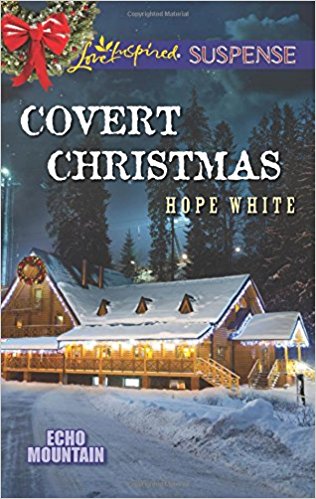
Books with Christmas themes can be hard to find, so when I came across ‘’Covert Christmas’’, I thought to myself it might make a good book review for December. So here is my review of this novel, written by suspense writer Hope White.


I found this novel in a used bookstore while I was shopping around for reading material.  This is not the type of book I would normally go for, but thought it would work well for future themed book reviews. Coincidently, it is also about suspense, a literary genre I covered just  recently.


           The story is about an ex-police-officer named Scott turned private security agent, who is investigating his employers shady activities. While trying to escape some hired thugs, Scott bumps his head and loses his short term memory. Luckily for him, he is saved by a local search-and-rescue trainer named Breanna, who nurses him back to health. Together, they work on getting Scott’s memories back, and uncovering what illegal activities are going on in the area. As the cover says, this novel is a love inspired suspense, so the story focuses a lot on Scott and Breanna’s feelings for each other as the plot progresses.


Back of the book:
DIAGNOSIS: AMNESIA


A man has been shot and left for dead on Echo Mountain, and Search and Rescue K-9 handler Breanna McBride wants answers. With no memory, all the injured man can recall is that his first name is Scott, and that someone wants him silenced. Scott knows better than to depend on strangers, yet he finds himself falling for his captivating protector. And although Breanna won't rest until she helps him piece together the rest of his past, she vows to ignore the attraction between them. But as they close in on the truth, she becomes the killer's next target. Now the pursuers will stop at nothing to ensure the pair is six feet under by Christmas.


Echo Mountain: Saving lives and finding love in the mountains of Washington State


What I learned from this book:
  • Cliff hanger: The author successfully kept the audience engaged in the story by having some pretty intense cliff hangers at the end of every chapter. Random events, such as the unexpected appearance of a lost loved one or sudden gunfire was effective in keeping the readers hooked and wanting to move on immediately to the next chapter.
  • Amnesia as a plot tool: Having the main character suffer from amnesia was a creative way of drip feeding information to the audience while explaining how the protagonist didn't have this information himself. This was also effective in making the protagonist vulnerable, and open to receive help from the love interest character, Breanna. However, I felt that amnesia in a love story sounded a bit cliché, reminiscent of old TV soap operas.
  • Romance: This being the closest to an actual romance novel I have ever read, it turned out to be a great learning experience. I saw how the author built the relationship between Scott and Breanna little by little, using a combination of simple, causal actions (such as longing stares, honest conversation, etc.) and a dramatic situation (in this case, Scott’s amnesia and being pursued by killers).


Hope White was born and raised in the Midwest and migrated to the Pacific Northwest as an adult. Her hobbies include hiking in the mountains, enjoying a fine cup of tea with friends, or going to the movie theatre.


For those interested in reading more books from Hope White, please check out his website at http://www.hopewhiteauthor.com/


For those interested in learning more about her work on the Love Inspired Suspense series, you can check out this extensive wiki page:


In closing, I would like to thank you all for dropping by and following my blog. Your patronage and encouragement is truly appreciated.


Until next time!


Cheers,


Patrick Osborne

Friday, October 27, 2017

By the Book - Death Troopers


Welcome back!
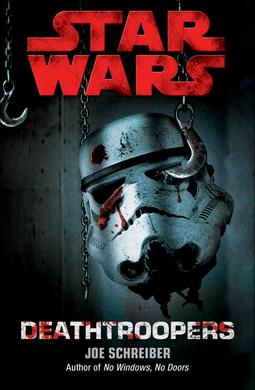
            In honor of Halloween, October’s book review will be horror theme. The novel in question is entitled Death Troopers by Joe Schreiber,  book inspired by one of the most popular sci-fi opera’s out there; Star Wars. This story was meant to be a sequel to Red Harvest, which I reviewed earlier this year.

            When I went to Amazon to order some new material for my library back in April, Star Wars related content was high on my list of interests. That's when I came across Death Troopers, a cross between zombies and a popular sci-fi franchise. I later selected Red Harvest when I found out it was its prequel.

The story begins in the Imperial prison barge Purge, as it breaks down in a distant, uninhabited part of space. Its only hope appears to lie in a seemingly abandoned Star Destroyer, drifting nearby. When a boarding party is sent to scavenge for parts, only half of them come back, bringing with them a deadly contagion. Within hours, half the Purge’s population die, come back as zombies and begin to hunt the survivors. In an attempt to escape, the survivors take shelter in the Star Destroyer, unaware of the horrors within.


Back of the Book:
When the Imperial prison barge Purge–temporary home to five hundred of the galaxy’s most ruthless killers, rebels, scoundrels, and thieves–breaks down in a distant, uninhabited part of space, its only hope appears to lie with a Star Destroyer found drifting, derelict, and seemingly abandoned. But when a boarding party from the Purge is sent to scavenge for parts, only half of them come back–bringing with them a horrific disease so lethal that within hours nearly all aboard the Purge die in ways too hideous to imagine.

And death is only the beginning.

The Purge’s half-dozen survivors–two teenage brothers, a sadistic captain of the guards, a couple of rogue smugglers, and the chief medical officer, the lone woman on board–will do whatever it takes to stay alive. But nothing can prepare them for what lies waiting aboard the Star Destroyer amid its vast creaking emptiness that isn’t really empty at all. For the dead are rising: soulless, unstoppable, and unspeakably hungry.

POSSIBLE SPOILERS BEYOND THIS POINT

What I Learned From This Book:
  • Crossing genres: The most obvious aspect of this story, is how it crosses two very distinctive genres, Zombies and Star Wars. Each genre are pretty solid on their own, but combining the two is something that has been rarely seen. The author successfully managed to integrate both genres into one epic story. For more information on integration, visit one of my previous writing prompts on the subject.
  • Safe characters: One of the first rules of writing a zombie story, is that no character should be safe from getting killed. The promise of death should threaten all characters in a horror novel. That is why when these types of books suddenly include ‘’brand name’’ characters (in this case, Han Solo and Chewbacca), the story loses a large amount of tension, cause we know those characters aren't in real danger. Another prime example of this phenomenon is the Resident Evil movie franchise; at some point, the story loses tension because we know the main character will be back for a sequel.  
  • Futuristic vision: The story takes place aboard a prison ship. Seeing the author's futuristic interpretation of a setting inspired from a modern day establishment such as a prison was pretty interesting. It is a great example of how science-fiction writers take an idea, and push the boundaries. Please see my previous article for more details on writing science fiction

Joe Schreiber is an American novelist best known for his horror and thriller novels. His works include Chasing the Dead, Eat the Dark and No Doors, No Windows. In October 2009, Joe created his first contribution to the Star Wars universe; Death Troopers. Schreiber was born in Michigan (1969), but is currently based in central Pennsylvania, where he works as an MRI technician and lives with his wife and two young children.

For those interested in reading more books from Joe Schreiber, please check out these following websites:


In closing, I would like to thank you all for dropping by and following my blog. Your encouragement is always appreciated. Don’t forget to hit the like/follow buttons!

Until next time!

Cheers,

Patrick Osborne

Monday, October 16, 2017

Thrillers and Suspense

Welcome back!


Inspired by Halloween, I decided to focus this month's writing article on a genre that specializes in thrills, chills and spills! We will be discussing Thrillers and Suspense as a genre in fiction.


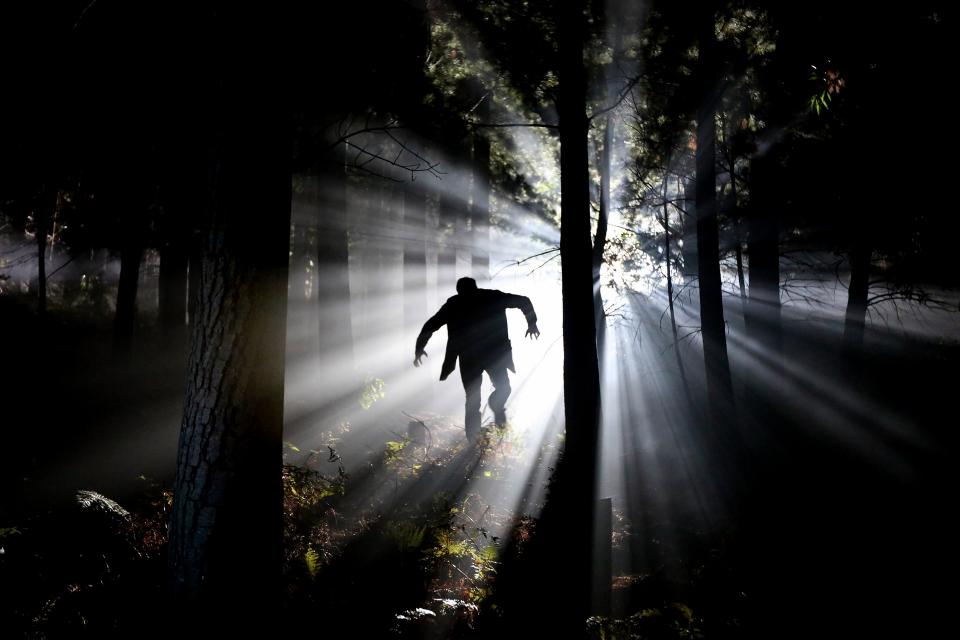
dark night light trees plant forest fear man running people alone silhouette


The basics of a story is a plotline which follows the exploits of the main characters as they attempt to resolve a conflict while making their way to their intended goal. So how exactly does Thriller and Suspense differ from other genres? Suspense in fiction happens when dramatic tension escalates, and becomes charged with anticipation. So the genre isn’t necessarily about plot as much as it is about emotion, defined by using tension to create anxiety, uncertainty, or surprise. So it is easy to see how this can cause confusion, as these characteristics are applicable to a broad range of literary genres. Thriller/Suspense can stand on its own, but can also be incorporated into other genres, such as crime/thriller, western/thriller, fantasy/thriller, horror/thriller, and many more.


It is a very popular genre in writing, however it’s classification seems to elude many. They tend to get scattered around with other genres, being categorized as Horror, Science Fiction or even Mystery.


To understand Thriller/Suspense fiction, you need to understand it’s perspective. The storytelling approach when dealing with a crisis focuses on being proactive, with a hefty dose of drama. In order to be proactive, events need to happen in the beginning of the story, forcing the protagonist to react. To better understand, let us have a comparison:


  • Mystery: A crime happens, then we see the protagonist spend the rest of the story trying to find out what happened. He is therefore reactive.
  • Horror: Unspeakable terror happens, then we see the protagonist spend the rest of the story trying to escape it. He is therefore reactive.
  • Science-Fiction: Something out of the ordinary happens, then we see the protagonist spend the rest of the story dealing with the situation. He is therefore reactive.
  • Thriller/Suspense: The protagonist receives information about impending doom, then we see him spend the rest of the story attempting to prevent it. He is therefore proactive.
 
Image result for public domain reaper


The key to writing Thrillers/Suspense fiction is not to ask “What needs to happen?”, it’s to ask “What can go wrong?”. Four factors need to be taken into account when writing this genre: reader empathy, reader concern, impending danger and escalating tension. So the tension in the story needs to escalate, or else the suspense will evaporate before it reaches a climax.


Here are some important points to remember when writing Suspense Fiction:


  • Create a good hero. This may be true to any story, but the suspense hero has to be someone the reader will worry about. In Suspense, the hero helps create tension by having their life, needs or desires in jeopardy. We push suspense even further by keeping said aspects away from the protagonist, emphasizing how deeply the character wants it, and showing what consequences will result if they don’t get it.
  • Create a good villain. In a suspense novel, the identity of the antagonist is known early, and they are very visible to the audience. It is therefore important that the villain be a worthy opponent to the hero. Explore who the antagonist is; what is their motivations, background and character. Show the reader why they should fear this person.
  • Understand tragedy. It is important to understand the importance of loss. The goal of Suspense stories is to engage the reader's concern by heightening the impact of the tragedy. But if the story contains hundreds of murders, each explained in detail, then the act of murder will seem less tragic, and readers won’t feel concerned by it. To build tension, don’t emphasize the violent act, increase the reader's apprehension about the violent act.
  • Modulate Suspense. Building tension takes time. Suspense happens in the stillness of your story, in the gaps between the action sequences. Create a feeling of apprehension by slowing down time; use longer, more complex sentences rather than being short and to the point. This can help to increase suspense. Break the tension by inserting a pause into suspense; a moment of comic relief, reveal a clue that advances the plot or maybe character development. Use this technique of inserting a brief respite to give readers a break, then return to the suspense to keep them hooked.

  • Promises and Payoffs. A promise is anticipation that a dreadful event is going to happen; the payoff is the action taken against said event. There can be a suspense sequence early in the novel, and the tension should build up the farther into the story the reader gets. The bigger the promise, the bigger the payoff. It’s important, however, that those promises always be fulfilled, or else the readers will end up feeling disappointed.

  • Create dilemmas. Events in the storyline should come at a price. The protagonist needs challenging dilemmas to test their character, and must seemingly be a lose-lose situation. By their nature, protagonists can’t stray from their morals or promises, so they will need to face dilemmas, no matter how difficult.
  • High stakes. The story must be about a cause so important to the protagonist, that they are willing to do anything to prevent it from being in danger. Place said cause in some sort of peril, then raise the stakes by making the danger more imminent, intimate, personal and devastating. Postponing the resolution will help sustain the suspense, and ensures readers will empathize with the protagonist.
  • Apply pressure. A key way for writers to create tension is by pitting the protagonist against what seems to be insurmountable odds. Pile on the problems by giving the protagonist more things to do than they can handle; working against the clock, waves of enemies, elemental disasters, allies in distress, unexpected obstacles, etc. Push them further by removing their tools, escape routes and support system. The protagonist should be working every minute to achieve their goal, which should feel just out of reach. Heroes should be stretched to the breaking point in order to save the day.
  • Foreshadow rather than telegraph. The line between foreshadowing and telegraphing is a subtle one. Creating a scene that ends in foreshadow is meant to hint at something more sinister to come without out giving away the punchline. Telegraphing is when the reader guesses what’s coming, effectively ruining the suspense.

  • Point of view. The reader should have foresight into the actions of both the protagonist and the antagonist. By making the readers aware of the trouble before the protagonist, they get to see the lines of convergence between the protagonist and antagonist. This technique builds tension from the reader’s self-imposed fears of knowing the consequences of the perils ahead.
  • Turn up the Sensory Detail. Heighten anticipation by focusing on the right sensory detail. By making your character hyper-aware of sensations, you add a feeling of impending danger, which contributes to dramatic tension. The absence of sensory detail, such as stillness and shadows, can also suggest a hidden menace. Furthermore, using the protagonists internal dialogue allows the reader to experience the tension firsthand.


street road trees plant nature people black hoodie jacket walking dark fog creepy


In closing, the most important thing I learned today, is to be unpredictable. Make nothing straight-forward. Readers will try to predict what will happen, but they want to be wrong. The reader might know what the story’s endgame is, but not how it’s going to get there. Give them more than what they are anticipating.


Until next time!


Cheers,


Patrick Osborne