Welcome to my blog!

Welcome to my blog! This is my journey, my first steps into the world of fictional writing. This blog is an online journal of sorts, where I share the progress of my work as well as what I have learned along the way. I hope you enjoy your time with me and that my experience may be of some use to you.
Showing posts with label tone. Show all posts

Monday, October 16, 2017

Thrillers and Suspense

Welcome back!


Inspired by Halloween, I decided to focus this month's writing article on a genre that specializes in thrills, chills and spills! We will be discussing Thrillers and Suspense as a genre in fiction.
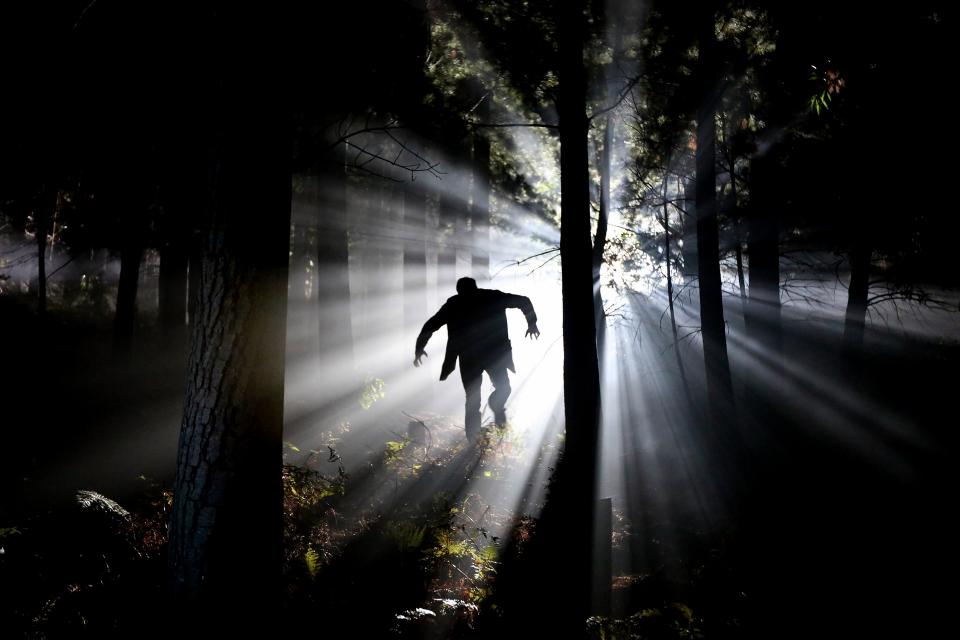

dark night light trees plant forest fear man running people alone silhouette


The basics of a story is a plotline which follows the exploits of the main characters as they attempt to resolve a conflict while making their way to their intended goal. So how exactly does Thriller and Suspense differ from other genres? Suspense in fiction happens when dramatic tension escalates, and becomes charged with anticipation. So the genre isn’t necessarily about plot as much as it is about emotion, defined by using tension to create anxiety, uncertainty, or surprise. So it is easy to see how this can cause confusion, as these characteristics are applicable to a broad range of literary genres. Thriller/Suspense can stand on its own, but can also be incorporated into other genres, such as crime/thriller, western/thriller, fantasy/thriller, horror/thriller, and many more.


It is a very popular genre in writing, however it’s classification seems to elude many. They tend to get scattered around with other genres, being categorized as Horror, Science Fiction or even Mystery.


To understand Thriller/Suspense fiction, you need to understand it’s perspective. The storytelling approach when dealing with a crisis focuses on being proactive, with a hefty dose of drama. In order to be proactive, events need to happen in the beginning of the story, forcing the protagonist to react. To better understand, let us have a comparison:


  • Mystery: A crime happens, then we see the protagonist spend the rest of the story trying to find out what happened. He is therefore reactive.
  • Horror: Unspeakable terror happens, then we see the protagonist spend the rest of the story trying to escape it. He is therefore reactive.
  • Science-Fiction: Something out of the ordinary happens, then we see the protagonist spend the rest of the story dealing with the situation. He is therefore reactive.
  • Thriller/Suspense: The protagonist receives information about impending doom, then we see him spend the rest of the story attempting to prevent it. He is therefore proactive.
 
Image result for public domain reaper


The key to writing Thrillers/Suspense fiction is not to ask “What needs to happen?”, it’s to ask “What can go wrong?”. Four factors need to be taken into account when writing this genre: reader empathy, reader concern, impending danger and escalating tension. So the tension in the story needs to escalate, or else the suspense will evaporate before it reaches a climax.


Here are some important points to remember when writing Suspense Fiction:


  • Create a good hero. This may be true to any story, but the suspense hero has to be someone the reader will worry about. In Suspense, the hero helps create tension by having their life, needs or desires in jeopardy. We push suspense even further by keeping said aspects away from the protagonist, emphasizing how deeply the character wants it, and showing what consequences will result if they don’t get it.
  • Create a good villain. In a suspense novel, the identity of the antagonist is known early, and they are very visible to the audience. It is therefore important that the villain be a worthy opponent to the hero. Explore who the antagonist is; what is their motivations, background and character. Show the reader why they should fear this person.
  • Understand tragedy. It is important to understand the importance of loss. The goal of Suspense stories is to engage the reader's concern by heightening the impact of the tragedy. But if the story contains hundreds of murders, each explained in detail, then the act of murder will seem less tragic, and readers won’t feel concerned by it. To build tension, don’t emphasize the violent act, increase the reader's apprehension about the violent act.
  • Modulate Suspense. Building tension takes time. Suspense happens in the stillness of your story, in the gaps between the action sequences. Create a feeling of apprehension by slowing down time; use longer, more complex sentences rather than being short and to the point. This can help to increase suspense. Break the tension by inserting a pause into suspense; a moment of comic relief, reveal a clue that advances the plot or maybe character development. Use this technique of inserting a brief respite to give readers a break, then return to the suspense to keep them hooked.

  • Promises and Payoffs. A promise is anticipation that a dreadful event is going to happen; the payoff is the action taken against said event. There can be a suspense sequence early in the novel, and the tension should build up the farther into the story the reader gets. The bigger the promise, the bigger the payoff. It’s important, however, that those promises always be fulfilled, or else the readers will end up feeling disappointed.

  • Create dilemmas. Events in the storyline should come at a price. The protagonist needs challenging dilemmas to test their character, and must seemingly be a lose-lose situation. By their nature, protagonists can’t stray from their morals or promises, so they will need to face dilemmas, no matter how difficult.
  • High stakes. The story must be about a cause so important to the protagonist, that they are willing to do anything to prevent it from being in danger. Place said cause in some sort of peril, then raise the stakes by making the danger more imminent, intimate, personal and devastating. Postponing the resolution will help sustain the suspense, and ensures readers will empathize with the protagonist.
  • Apply pressure. A key way for writers to create tension is by pitting the protagonist against what seems to be insurmountable odds. Pile on the problems by giving the protagonist more things to do than they can handle; working against the clock, waves of enemies, elemental disasters, allies in distress, unexpected obstacles, etc. Push them further by removing their tools, escape routes and support system. The protagonist should be working every minute to achieve their goal, which should feel just out of reach. Heroes should be stretched to the breaking point in order to save the day.
  • Foreshadow rather than telegraph. The line between foreshadowing and telegraphing is a subtle one. Creating a scene that ends in foreshadow is meant to hint at something more sinister to come without out giving away the punchline. Telegraphing is when the reader guesses what’s coming, effectively ruining the suspense.

  • Point of view. The reader should have foresight into the actions of both the protagonist and the antagonist. By making the readers aware of the trouble before the protagonist, they get to see the lines of convergence between the protagonist and antagonist. This technique builds tension from the reader’s self-imposed fears of knowing the consequences of the perils ahead.
  • Turn up the Sensory Detail. Heighten anticipation by focusing on the right sensory detail. By making your character hyper-aware of sensations, you add a feeling of impending danger, which contributes to dramatic tension. The absence of sensory detail, such as stillness and shadows, can also suggest a hidden menace. Furthermore, using the protagonists internal dialogue allows the reader to experience the tension firsthand.


street road trees plant nature people black hoodie jacket walking dark fog creepy


In closing, the most important thing I learned today, is to be unpredictable. Make nothing straight-forward. Readers will try to predict what will happen, but they want to be wrong. The reader might know what the story’s endgame is, but not how it’s going to get there. Give them more than what they are anticipating.


Until next time!


Cheers,


Patrick Osborne

Friday, August 28, 2015

BOOT CAMP LESSON 5: Tone


Welcome back!


This latest edition of Boot Camp will be an exercise in tone, how it affects storytelling and how it can be applied to your work.


Lesson 5: Tone


As I mentioned in my post about Tone, its purpose is to help add atmosphere and mood to a piece of literature. This is achieved by influencing the reader’s understanding or perception of the story, by carefully orchestrating the various literary elements at their disposal, such as the following:

  • Diction: Expressing Tone by paying close attention to their choice of words.
  • Syntax; Creating effect with the grammatical arrangement of words.
  • Imagery; Describing the scenery in a certain manner, with cues that appeal to any of the senses;
  • Details; Informing the reader of important facts, either included or omitted.


In an attempt to better explain Tone, I have put together an example. Here is a basic phrase. The information it gives is pretty basic, and void of any really tone.

Basic phrase:
“John was walking down the street, making his way through the crowd.”

The following phrasess illustrate the same situation, only using different wording. You can see how a change in wording affects the feel of the phrase, this feel is what we call tone.

  • Happy Tone example: “It was a bright, sunny day as John was strolling down the street, casually passing the other people in the crowd.”
  • Angry Tone example: “Jonathan was stomping down the street, unceremoniously shoving his way through the crowd.”
  • Fearful Tone example: “Jay was running frantically down the street. Zigzagging his way through the mob.”

Now that we have established what is Tone and how it is depicted, let's move on to the exercise of the day.

Rules
 
  1. Below you will find 5 generic phrases to work with.
  2. For each phrase, write 3 different versions using the following Tones as inspiration: Happy, Angry and Fearful.
Generic Phrases:
 
  1. Sarah is in the kitchen, preparing breakfast.
  2. Robin is watching the soccer game on the television.
  3. Franklin is playing ball at the park.
  4. The Captain ordered his men to raise the anchor, as preparations were complete.
  5. Carl is in the library, searching for his favorite book.


For those who aren’t afraid to share their entries, feel free to submit your stories as a reply to this post. Remember, this is a game, so no posting bad comments about other people's entries.

Hope you have fun giving this exercise a try. Until next time!

Cheers,

Patrick Osborne

Tuesday, April 7, 2015

The proper Tone can speak volumes!


Welcome back!


         While working on the list for my current project, I came across additional items that were not included in my original post, "Making a list and checking it twice". I felt these new elements were important enough to be added to my template, so I am creating posts for each of them. These elements are ; Tone and Style. In today’s post I will be discussing the use of Tone and how it affects the overall feel of a story.


The proper Tone can speak volumes!


         Every story has a central theme or subject matter, the Tone constitutes the attitude that the author adopts to highlight said theme/subject. In the absence of vocal emphasis, a writer will usually convey Tone through their choice of words, which can come across as serious, humorous, sarcastic, passionate, indifferent, and so on.


         The purpose of Tone is to influence the reader’s understanding of the story, how they should feel while they are reading it, in order to better grasp the author’s message or opinion. The Tone therefore helps add atmosphere and life to a piece of literature, by shedding light on character personalities and depth to the setting, thus creating mood.


         Furthermore, Tone does not need to be static and can change throughout a story; reflecting the narrator's perspective, following the pace of the action or in order to better fit the story’s mood. It should be noted, that changing Tone should either be done gradually, or when starting a new scene or chapter. Changing Tones too often may also confuse the audience, so it is important to remain consistent.


         Authors will set the Tone through the various literary elements at their disposal. The most common of which are:


  • Diction: Expressing Tone by paying close attention to their choice of words.
  • Syntax; Creating effect with the grammatical arrangement of words.
  • Imagery; Describing the scenery in a certain manner, with cues that appeal to any of the senses;
  • Details; Informing the reader of important facts, either included or omitted.


In an attempt to better explain Tone, I have put together an example. All of the following instances illustrate the same situation, only using different wording.


Example #1:


John was walking down the street, making his way through the crowd.


Our first example is pretty basic. It gives you very simple information; who the character is (John), what he is doing (walking) and where he is (on a crowded street). Even though the phrase is pretty straightforward, you do get a feeling from this statement. The character seems to be in no hurry, nor is there a sense of danger. So in this case, the lack of information is what is setting the Tone.


Example #2:


John was strolling down the street, casually passing the other people in the crowd.”


See how the ambiance has already changed? By changing “walking” with “strolling”, you already get the sense the character is relaxed and is in a calm situation. This feeling of serenity is further accentuated by replacing “making his way through” with “casually passing”. Furthermore, by adding the section “the other people” , we make the phrase longer, thus making the scene feel slower. Allowing the character to view what is around him also gives the feeling he is enjoying his surroundings.


Example #3:


Johnathan was stomping down the street, angrily shoving his way through the crowd.


Doesn’t sound like you would want to cross this guy, now does it? Again, I changed “walking”, this time replacing it with “stomping”. I also changed “making his way through” with “angrily shoving his way through”. These two modifications help make the character sound incredibly irritated. Additionally, changing the characters name from “John” to Jonathan” makes him sound more serious.


Example #4:


Jay was running frantically down the street. Zigzagging his way through the mob.


This example sounds like a snippet from an action movie. By replacing “walking” with “running frantically ”, we give the reader the sense that the character is desperate or in fear for his life. This feeling of urgency is further accentuated by changing “making his way through” with “Zigzagging his way through”. The word “crowd” was replaced with “mob”, which gives the setting a more chaotic feel. And finally, did you notice how changing the characters name from “John” to Jay” makes him sound younger, or even less serious (along the lines of a street thug).


I discovered that Tone has a significant place in literature, as it allows writers to have better control over the mood of a story and gives readers a better understanding of what the author was trying to portray. I hope this lesson proved as useful to you, as it did to me!


Until next time.


Cheers!

Patrick Osborne.