Welcome to my blog!

Welcome to my blog! This is my journey, my first steps into the world of fictional writing. This blog is an online journal of sorts, where I share the progress of my work as well as what I have learned along the way. I hope you enjoy your time with me and that my experience may be of some use to you.
Showing posts with label writing prompt. Show all posts

Wednesday, December 20, 2017

BOOT CAMP LESSON 1: Motivation

Welcome to BOOTCAMP!


As I mentioned in my original post, I have been writing content for Missing Worlds Media, a volunteer based company, for the past three or so years. While working with the Composition Department, I was asked to come up with some writing games for future writers as well as for our fan base. These exercises are what originally gave me the idea to create this blog.


So it is with great joy that I get to share these games with you now!


Lesson 1: Character Motivation


Today’s game is about being creative with a character's motivation.


In my previous post, “Getting to know the players”, I already discussed the various types and purposes characters may have in stories. An important thing that a writer needs to remember, is why the character wants to be there. Every character in a story should have a motivation, something that drives them forward, makes them want to risk it all, that gives them a reason to want to face the Conflict in the story. Simply put; motivation is what makes a character do what they do.


The goal of this exercise to practice writing a backstory for a character. To make things more challenging, you will be creating a backstory and motivation for characters that you did not come up with.


Rules:
  1. Below are 5 candidates, with only a name and a job assigned to them. Select ONE of the 5 photos to work with.
  2. Write three different backgrounds for the candidate you selected: Who is this person if they were a Superhero. Who is this person if they were a Super Villain. Who is this person if they were a Civilian.
  3. All 3 backgrounds must have a limit of 30 phrases each!
  4. Within each background, you must include WHO the character is, WHERE they are from, WHAT do they do, HOW do they do it, and most importantly WHY do they do it.


Candidates:


  1. Name: Saruwatari Profession: Male Model.
  2. Name: Tessa Profession: Child care.
  3. Name: Olaf Profession: Business man.
  4. Name: Melina Profession: Musician.
  5. Name: Marco Profession: Plumber.


When posting your separate bios, please do so as such:
  1. Who is this person as a Hero:
  2. Who is this person as a Villain.:
  3. Who is this person as a Civilian.:


         For those who aren’t afraid to share their entries, feel free to submit your backstories as a reply to this post. Remember, this is a game, so no posting bad comments about other peoples entries.


Hope you have fun giving this exercise a try. Until next time!


Cheers,


Patrick Osborne

Friday, November 10, 2017

BOOTCAMP LESSON 20: Cross-Genre


Welcome back!


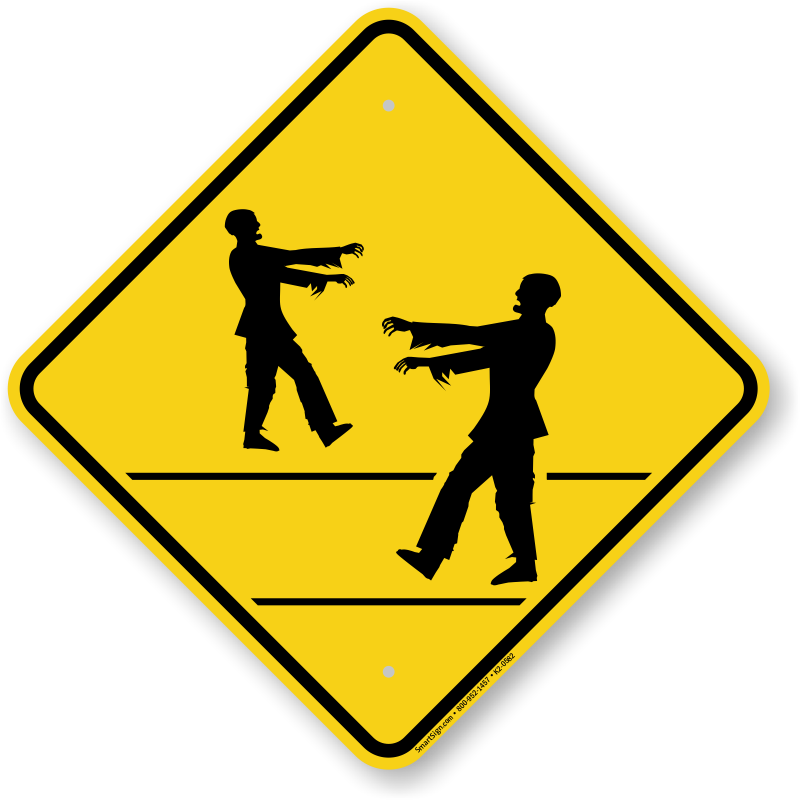
This latest edition of Bootcamp will be an exercise in Cross-Genre, the mixing of multiple literary genres into one story, and how it can be applied to your work. The purpose of this writing prompt is to help us experiment with different genre combinations, and how those pairings can affect a story’s setting and characters.

Related imageRelated imageRelated imageRelated imageRelated imageImage result for cross road signs

Lesson 20: Crossing literary genres


The basics of a story is a plotline which follows the exploits of the main characters as they attempt to resolve a conflict while making their way to their intended goal. A genre is a label that characterizes artistic composition of a literary work by analyzing different elements like form, style, or subject matter.


As opposed to the conservatism of most single genre fiction, cross-genre writing offers opportunities for different approaches to telling a story, which can be both fun and a challenge. In the following exercise, you will have to create a synopsis of a story that has two different genres.


So, here are today's guidelines!


  • Below is a list of seven literary genres, pick two to work with.
  • Following the basics of a storyline, create a short summary which must include;
    • A protagonist
    • A sidekick
    • An antagonist
    • An obstacle
    • A goal
  • Demonstrate how your story is inspired from the two different genres you had selected.
  • The summary must be five hundred words or less.


Genres
  1. Action & Adventure: Story where a protagonist is placed in a desperate situation while facing seemingly insurmountable odds while trying to accomplish a specific goal.
  2. Comedy: Story where the events are told in a funny or comical manner. Comedy is versatile and can easily be merged with other genres.
  3. Fantasy: Story based on magic or supernatural elements, relating to outworldly characters and settings. Good examples would be Fairy Tales, Fables and Legends.
  4. Historical: Story which focuses on a real person or event. Often used in non fictional literature like biographies.
  5. Horror / Thriller: Story where harm and misfortune risk affecting the protagonist(s), told to deliberately evoke a feeling of dread and fear, through suspense, violence or shock.  The protagonist is often pitted against an unbeatable force;  common examples are ghosts, monsters or a merciless psychopath.
  6. Romance: Story involving a character's relationships or love interest. This genre is commonly seen combined with other genres.
  7. Science fiction: Story based on the impacts of actual, imagined or potential science (be it realistic or not). Common elements are futuristic settings or alien beings. Most notable space themed storylines are those set in the Star Trek and Star Wars universes.


For those who aren’t afraid to share their entries, feel free to submit your backstories as a reply to this post. Remember, this is a game, so no posting bad comments about other people's entries.


Now go! Create! And I hope you have fun giving this exercise a try.


Until next time!


Cheers,


Patrick Osborne

Monday, July 10, 2017

BOOTCAMP LESSON part 19: Incarceration


Welcome back!

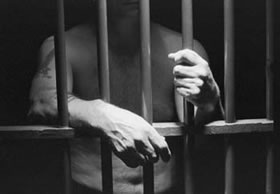
           The purpose of this writing prompt is to help us accentuate the importance of freedom within a storyline by showing how the loss thereof can affect the setting and its characters. This will be achieved by focusing on how different types of characters react to being incarcerated.


Lesson 19: Incarceration

The basics of a story is a plotline which follows the exploits of the main characters as they attempt to resolve a conflict while making their way to their intended goal. The characters are the writer's most important tool, as their interactions help describe everything from their inner thoughts, to the world around them.

But what happens when a character can no longer act freely and their rights are stripped away? Being confined could be seen as a form of adversity, an obstacle for the character to overcome. Though motivation can come in many forms, freedom (or the fear of incarceration) can be a powerful motivator to drive characters.

The goal of today’s game will be to demonstrate how different types of characters would avoid incarceration. Would they try to forcefully break out or cleverly plan their escape? Try to buy their way out with bribes or simply kill any opposition? Or would they accept their fate and spend their life in a dungeon?

Rules:
  1. Below are eight different character roles, each with their own personality and motivations.
  2. Select THREE of the mentioned roles to work with..
  3. For all three characters, write a short story on how they would react to being confined in a maximum security prison.
  4. Point out how their reactions differ from one another, and why.

Character Roles:

  • Mr. Hero: Central character in a story, whom the reader usually wants/expects to win in the end.
    • Personality: Courageous, resolute, honest and  strong willed.
    • Motivation: To ensure balance or keep the peace.
  • Dr. Villain:  Represents the obstacle or opposing force in a story that must be overcome in order to succeed.
    • Personality: Wicked, untrustworthy, determined and back handed.
    • Motivation: To take control of his surroundings.
  • Ally Sidekick: A character that will always assist, either with actions or information, in order to help the plot progress.
    • Personality: Loyal, reliable, helpful and lighthearted.
    • Motivation: To support others in their noble acts.
  • Goon McHenchman: A character who follows orders from a higher authority, usually on the side of evil.
    • Personality: Uneducated, brutish, unwavering and devoted.
    • Motivation: To follow the orders they were given.
  • Master Mentor: To teach or represent the lesson that must learned within the story in order to achieve the goal.
    • Personality: Insightful, wise, patient and selfless.
    • Motivation: To share their knowledge with others.
  • Rascal Scalawag: Rogue character that can play a role on either side of the moral spectrum, but is usually pursuing their own interest.
    • Personality: Manipulative, vulgar, self-centered and lazy.
    • Motivation: To achieve their own goal.
  • Prof. Thinker: Character who is always rational and likes to give reasonable answers to complicated questions.
    • Personality: Intelligent, aloof, eccentric and innovative.
    • Motivation: The advancement of science.
  • Ms. Romance: Love interest of one or more characters. Is usually seen as the goal in certain stories.
    • Personality: Spirited, sensual, affectionate and vain.
    • Motivation: Receiving the adoration of others.

If anyone is interested in sharing their entries, feel free to post them as a reply to this article, or send them to me privately. I may create a page for submissions in the future for those who are willing to have their work shared.


Hope you have fun giving this exercise a try.

Until next time!

Cheers,

Patrick Osborne

 
***Image is in the public domain, as explicitly declared by the Washington State Legislature***

Monday, June 19, 2017

BOOTCAMP LESSON part 18: Literary Motifs excercise

Welcome back!


In this latest edition of Boot Camp, we will explore the use of motifs in a literary setting. I hope to be able to demonstrate how it affects storytelling and how it can be applied to your work.


A recurring symbol.


Lesson 18: Using Motifs


            The literary device known as Motif refers to a recurring object or idea, which takes on a figurative meaning. It’s presence becomes noticeable through their constant repetition and placement, taking on an important role in the nature of a story. It can be created with the use of imagery, spoken or written phrases, structural or stylistic devices, and other narrative elements.


The purpose of Motifs is to contribute to the story by establishing a certain mood or portray a symbolic meaning while drawing attention to a specific concept (normally pointing to the story’s theme). A Motif is something from the physical world, and can be images, objects, people or events, taking center stage on several occasions throughout the story in order to help the audience to better comprehend the author's underlying messages, by reinforcing the literary works thematic statement.


Here are a few simple examples.


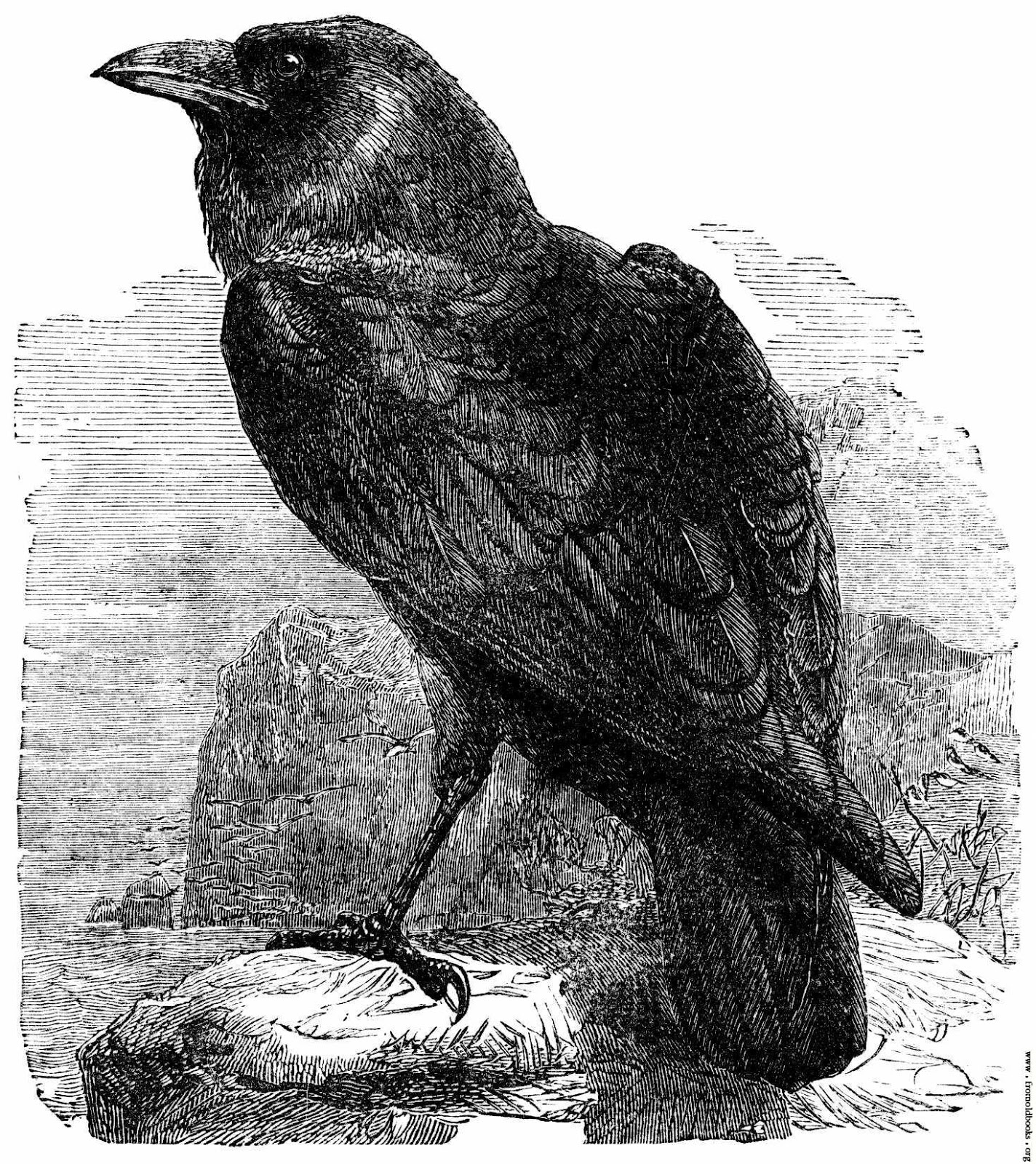
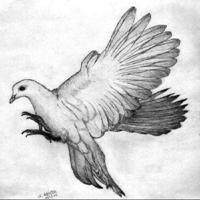
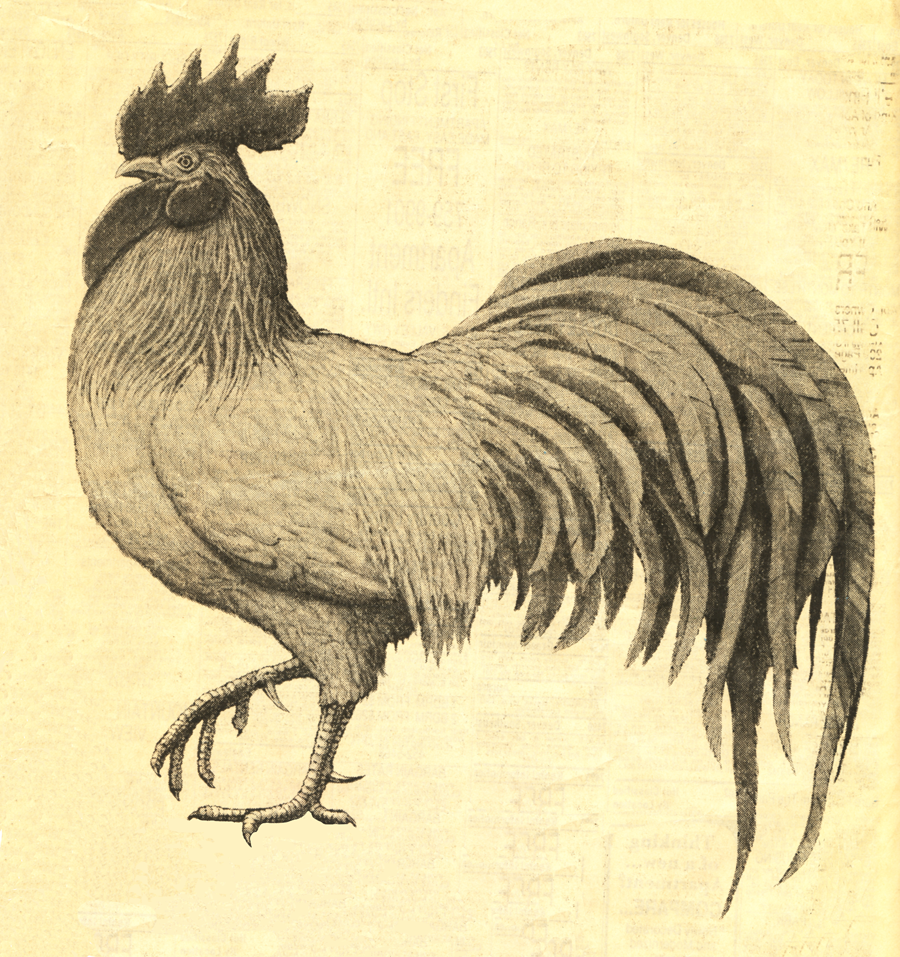
            Theme:Death                          Theme: Peace                          Theme: Pride
             Motif: Crow                             Motif: Dove                              Motif: Rooster


The goal of today’s game will be to create various Motifs to help represent the suggested themes, similar to the example above. There won’t be much actual writing in this lesson, more of a mental exercise on finding visual elements to help express ideas of invisible concepts.


Rules:
  1. Below are five different Themes, they are pretty broad to allow for more than one interpretation.
  2. Next are ten suggestions for visual elements.
  3. For all five themes, find three visual elements which could be associated to them.
  4. (Optional) Give a short explanation for your selection/association.  


Themes:
  • Anger
  • Fear
  • Justice
  • Heartbreak
  • Parenthood


Visual elements:
  • An animal.
  • A form of vegetation.
  • A tool.
  • A vehicle.
  • An historical landmark or building.
  • An article of clothing.
  • A meal or type of food.
  • A person (real/historical).
  • A fictional character.
  • An action or event.


If anyone is interested in sharing their entries, feel free to post them as a reply to this article, or send them to me privately. I may create a page for submissions in the future for those who are willing to have their work shared.


Hope you have fun giving this exercise a try. Until next time!


Cheers,

            Patrick Osborne