Welcome to my blog!

Welcome to my blog! This is my journey, my first steps into the world of fictional writing. This blog is an online journal of sorts, where I share the progress of my work as well as what I have learned along the way. I hope you enjoy your time with me and that my experience may be of some use to you.
Showing posts with label Character. Show all posts

Monday, July 10, 2017

BOOTCAMP LESSON part 19: Incarceration


Welcome back!

           The purpose of this writing prompt is to help us accentuate the importance of freedom within a storyline by showing how the loss thereof can affect the setting and its characters. This will be achieved by focusing on how different types of characters react to being incarcerated.


Lesson 19: Incarceration

The basics of a story is a plotline which follows the exploits of the main characters as they attempt to resolve a conflict while making their way to their intended goal. The characters are the writer's most important tool, as their interactions help describe everything from their inner thoughts, to the world around them.

But what happens when a character can no longer act freely and their rights are stripped away? Being confined could be seen as a form of adversity, an obstacle for the character to overcome. Though motivation can come in many forms, freedom (or the fear of incarceration) can be a powerful motivator to drive characters.

The goal of today’s game will be to demonstrate how different types of characters would avoid incarceration. Would they try to forcefully break out or cleverly plan their escape? Try to buy their way out with bribes or simply kill any opposition? Or would they accept their fate and spend their life in a dungeon?

Rules:
  1. Below are eight different character roles, each with their own personality and motivations.
  2. Select THREE of the mentioned roles to work with..
  3. For all three characters, write a short story on how they would react to being confined in a maximum security prison.
  4. Point out how their reactions differ from one another, and why.

Character Roles:

  • Mr. Hero: Central character in a story, whom the reader usually wants/expects to win in the end.
    • Personality: Courageous, resolute, honest and  strong willed.
    • Motivation: To ensure balance or keep the peace.
  • Dr. Villain:  Represents the obstacle or opposing force in a story that must be overcome in order to succeed.
    • Personality: Wicked, untrustworthy, determined and back handed.
    • Motivation: To take control of his surroundings.
  • Ally Sidekick: A character that will always assist, either with actions or information, in order to help the plot progress.
    • Personality: Loyal, reliable, helpful and lighthearted.
    • Motivation: To support others in their noble acts.
  • Goon McHenchman: A character who follows orders from a higher authority, usually on the side of evil.
    • Personality: Uneducated, brutish, unwavering and devoted.
    • Motivation: To follow the orders they were given.
  • Master Mentor: To teach or represent the lesson that must learned within the story in order to achieve the goal.
    • Personality: Insightful, wise, patient and selfless.
    • Motivation: To share their knowledge with others.
  • Rascal Scalawag: Rogue character that can play a role on either side of the moral spectrum, but is usually pursuing their own interest.
    • Personality: Manipulative, vulgar, self-centered and lazy.
    • Motivation: To achieve their own goal.
  • Prof. Thinker: Character who is always rational and likes to give reasonable answers to complicated questions.
    • Personality: Intelligent, aloof, eccentric and innovative.
    • Motivation: The advancement of science.
  • Ms. Romance: Love interest of one or more characters. Is usually seen as the goal in certain stories.
    • Personality: Spirited, sensual, affectionate and vain.
    • Motivation: Receiving the adoration of others.

If anyone is interested in sharing their entries, feel free to post them as a reply to this article, or send them to me privately. I may create a page for submissions in the future for those who are willing to have their work shared.


Hope you have fun giving this exercise a try.

Until next time!

Cheers,

Patrick Osborne
 
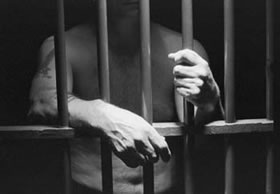
***Image is in the public domain, as explicitly declared by the Washington State Legislature***

Tuesday, June 28, 2016

Inspiration Part 13 - Comic Book Conventions


Welcome back!


           I got the idea for this month’s inspiration post after having spent a weekend at the Ottawa Comic Con back in May. While representing Library and Archives Canada (LAC) at the con, it was my responsibility to talk to people about whom LAC is and what we do. This gave me the opportunity to meet many enthusiastic people and see a lot of interesting things.


           It was at this point that I realised just how much inspiration can be found at a Comic Book Convention. I figured there was enough content to cover to make an inspiration post out of it. So I created the following article using pictures from various conventions I went to over the last few years.


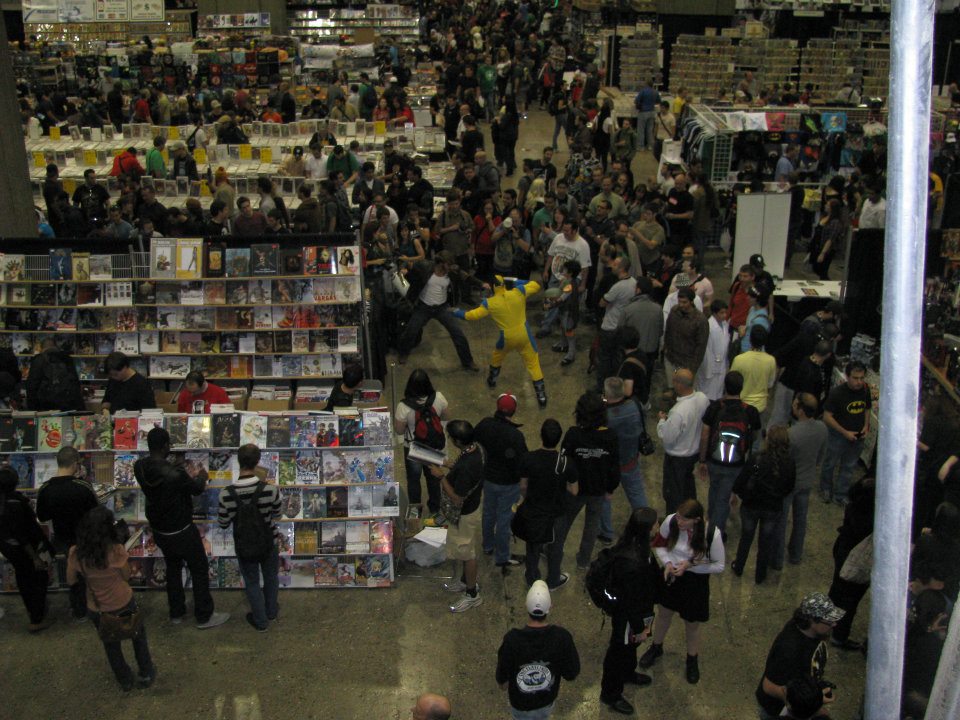
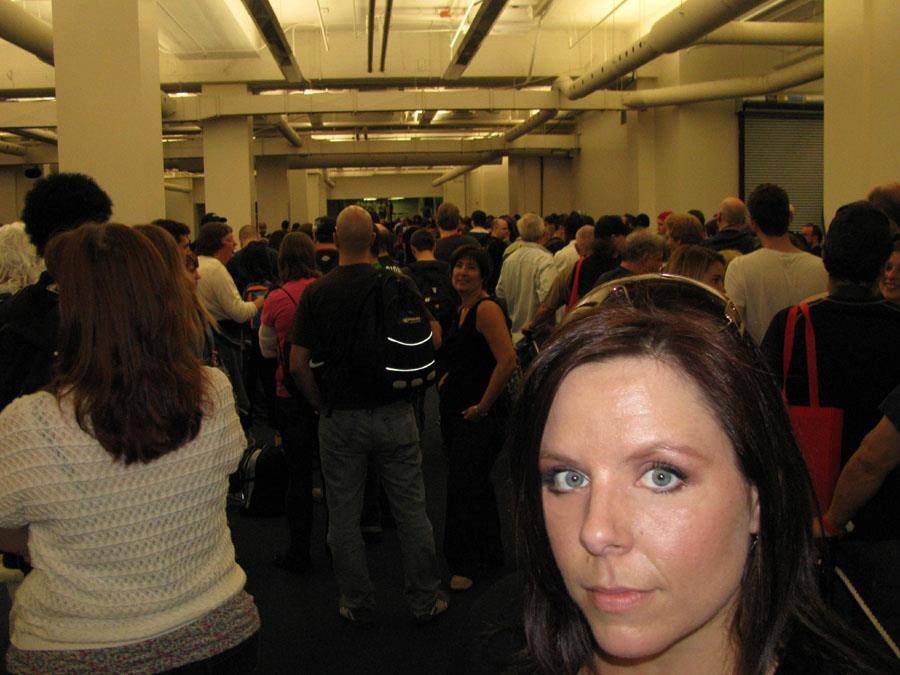
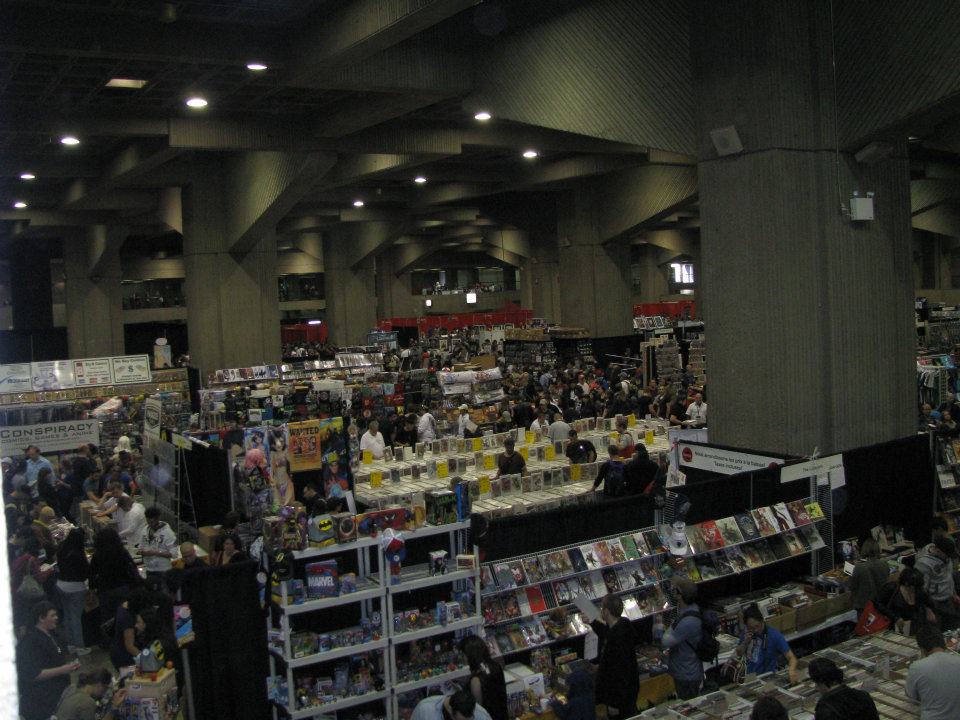
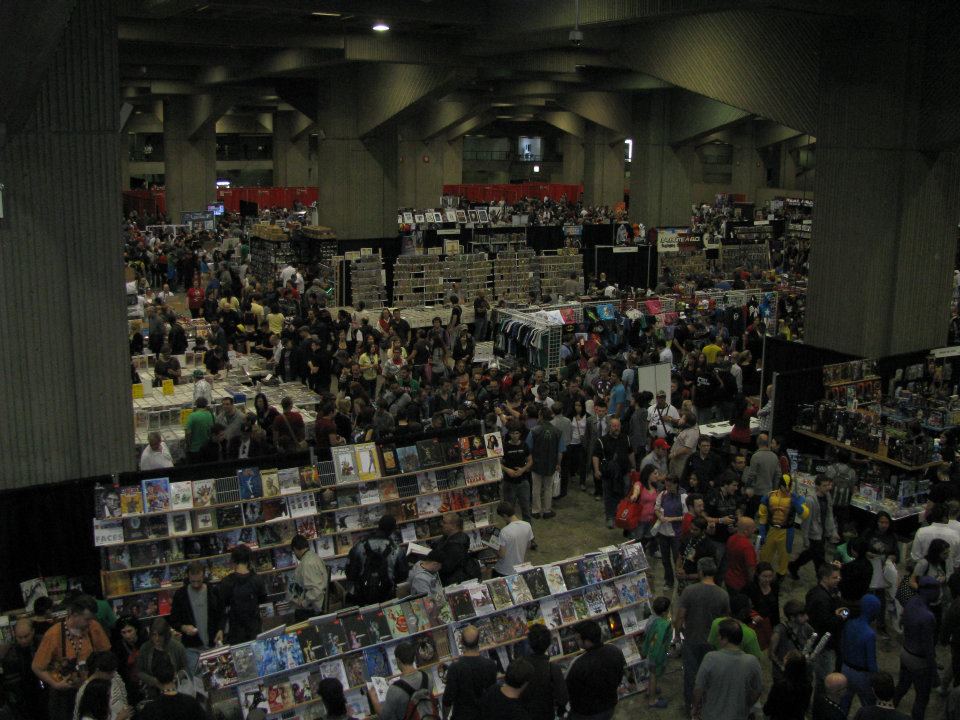
           First off, the most obvious part of a convention are the crowds! If you are looking to get some inspiration on how to describe large gatherings of people, you have come to the right place. Comic Conventions have been known to draw people by the thousands, so be prepared to have your personal space invaded.


Mega crowds at the Montréal Comic Con.

More crowds in Montréal, with Wolverine posing for pictures.


My wife, who is not impressed by the long lines of people waiting to get in.


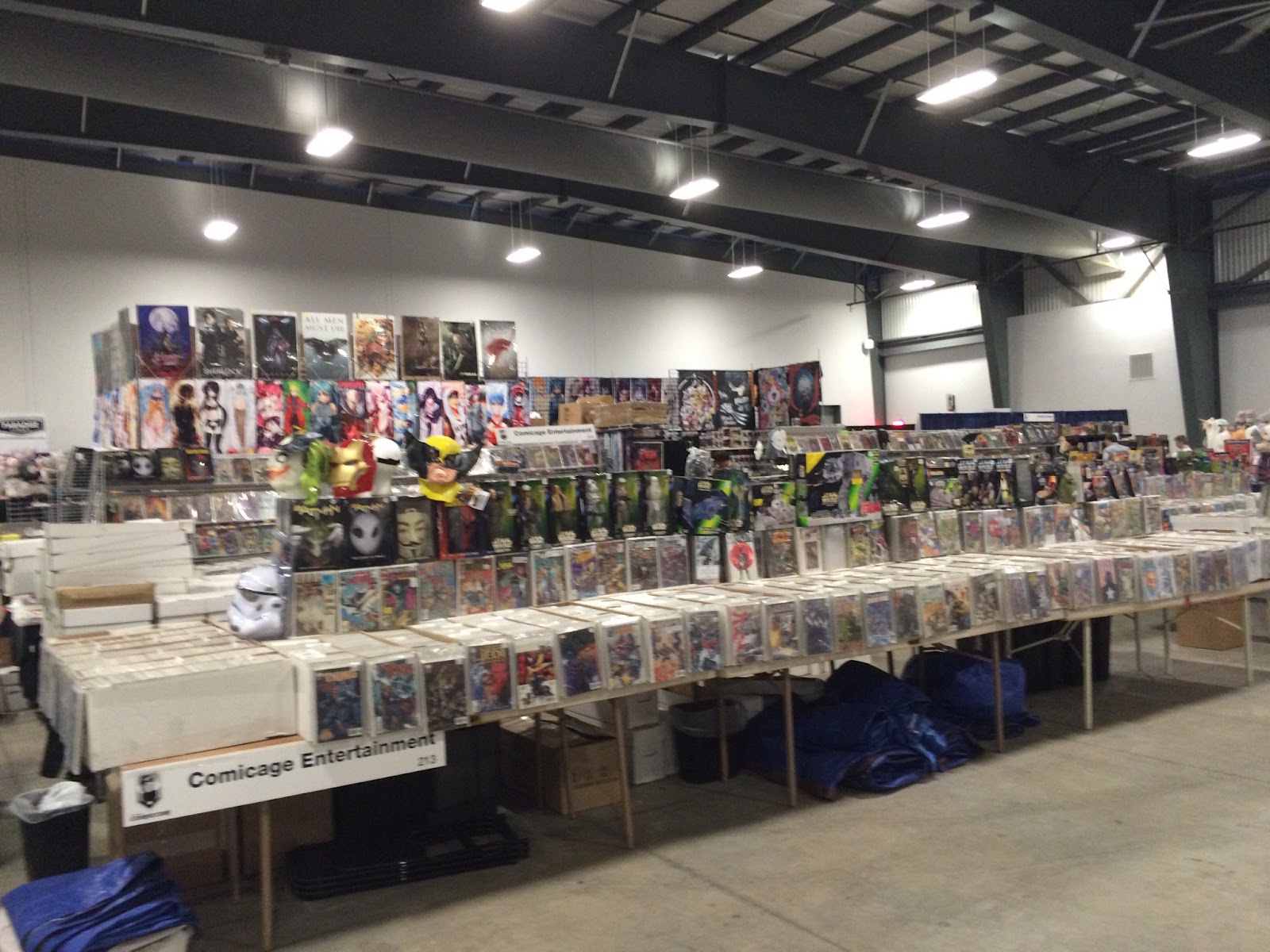
           Next are the vendors; people who put up kiosks to sell Pop Culture related merchandise. Comic Con vendors will have all kinds of comic book inspired paraphernalia: from movies, games, costumes, clothing and of course, comic books.

 
One of the many vendors at this year's Ottawa Comic Con.


Overview of some of the vendors at the Montréal Convention
.
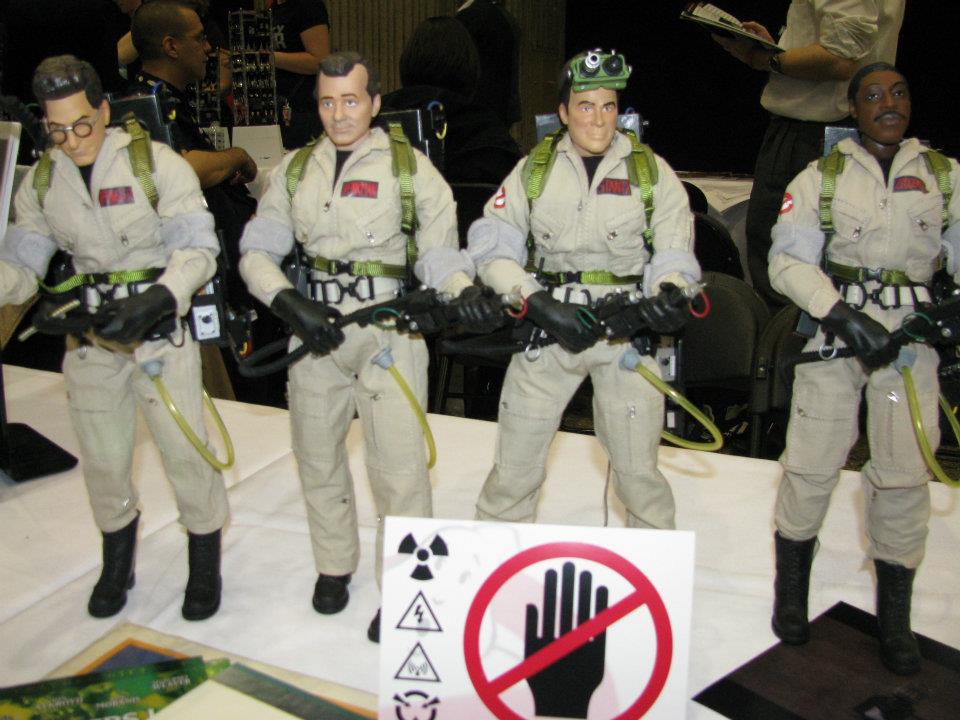
Original Ghostbusters merchandise. Just some of the cool stuff you could find at a Con.


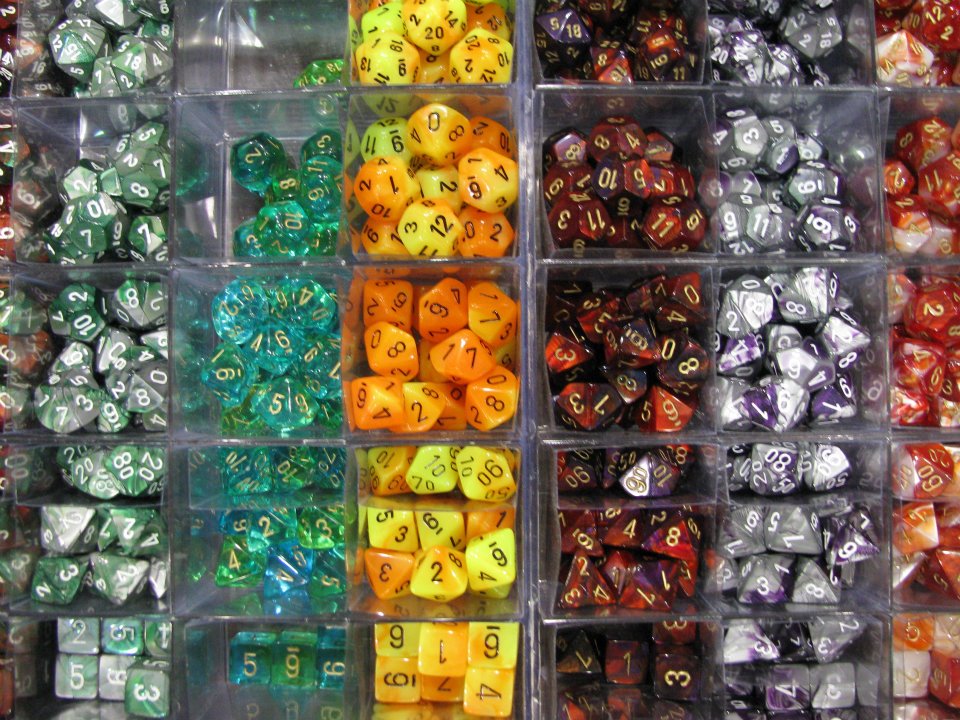
Gaming dice. No nerd can go without them.


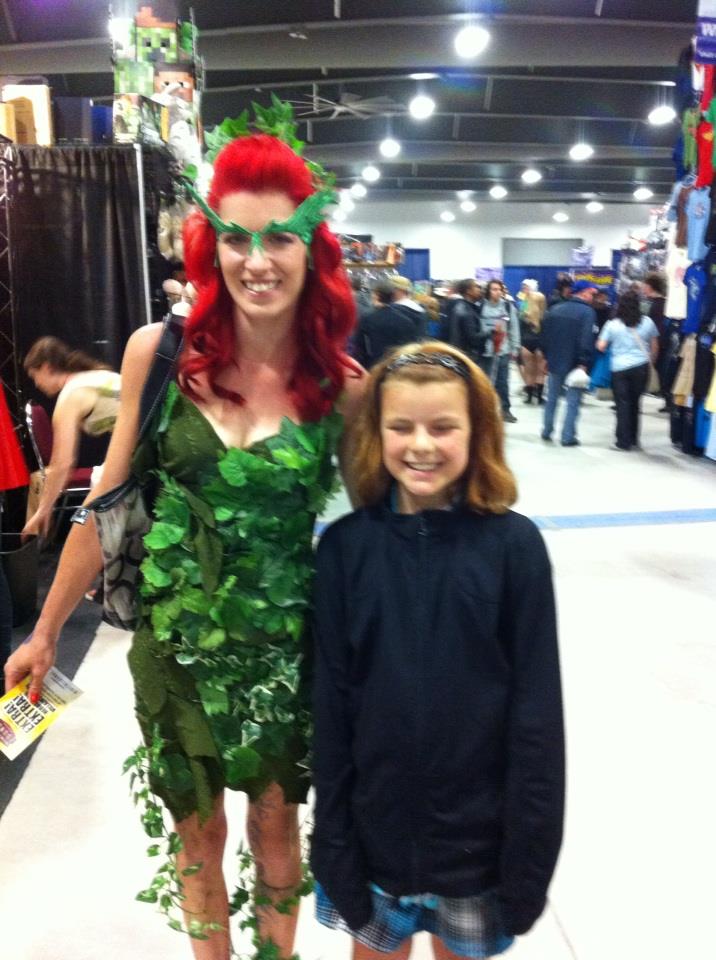
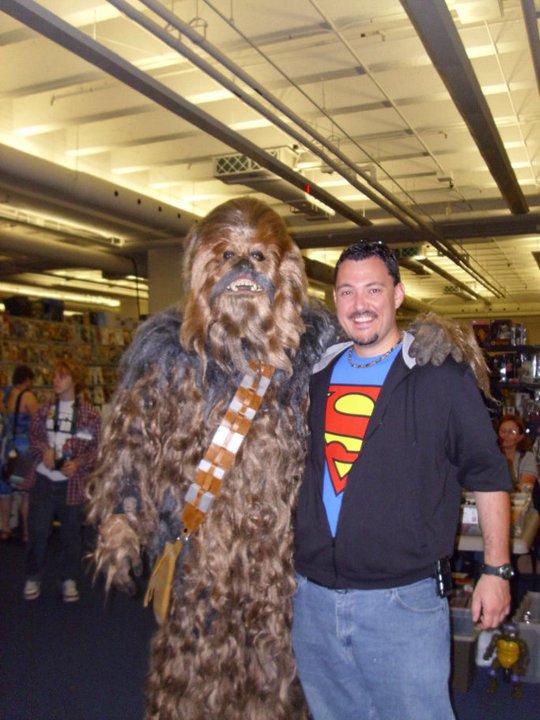
           Another common sight at Comic Conventions are Cosplayers, which has gotten so popular, that some people actually make a living off of Cosplaying. For those who don’t know, Cosplay is a shortened term for Costume Roleplay, where participants wear costumes and fashion accessories to represent a specific pop culture icon.
Poison Ivy from Batman lore.


Chewbacca from Star Wars

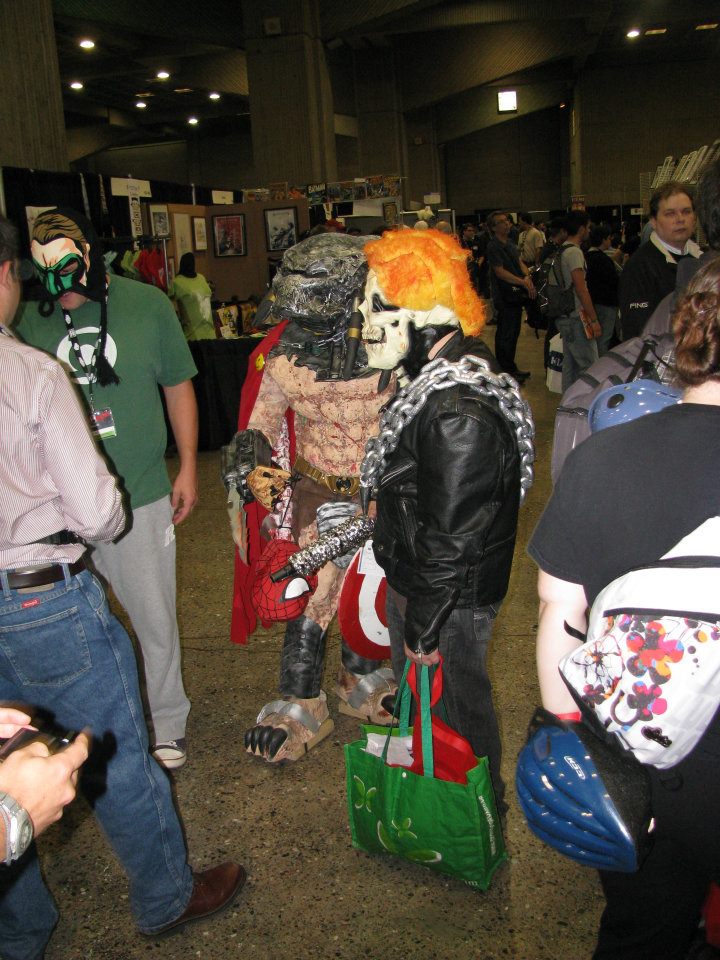
A Predator seen posing with Ghost Rider.


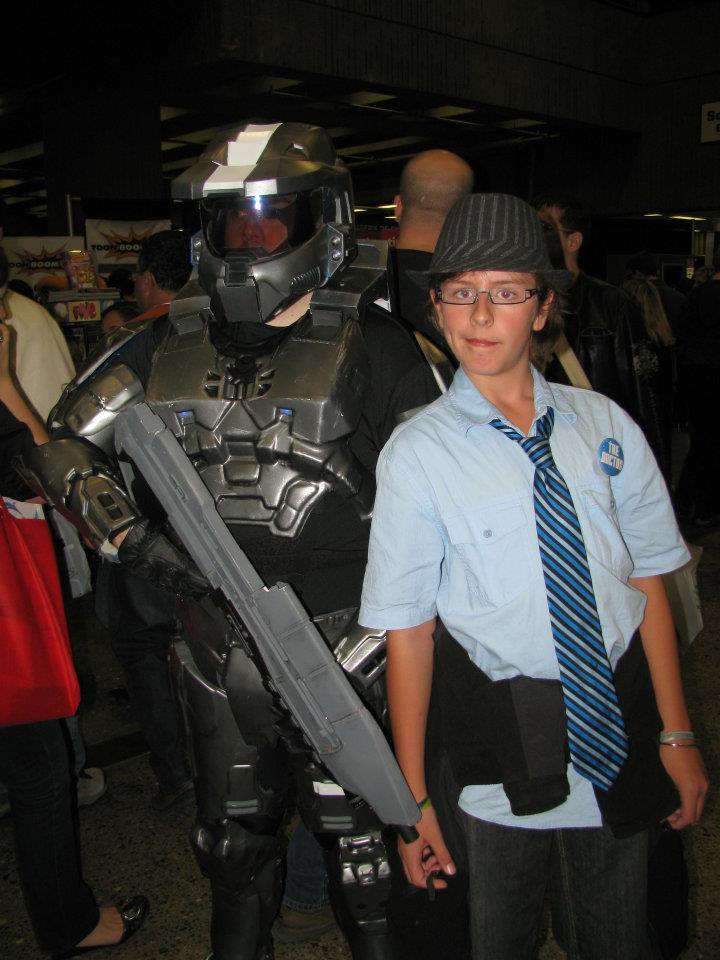
Master Chief from the Halo video game.


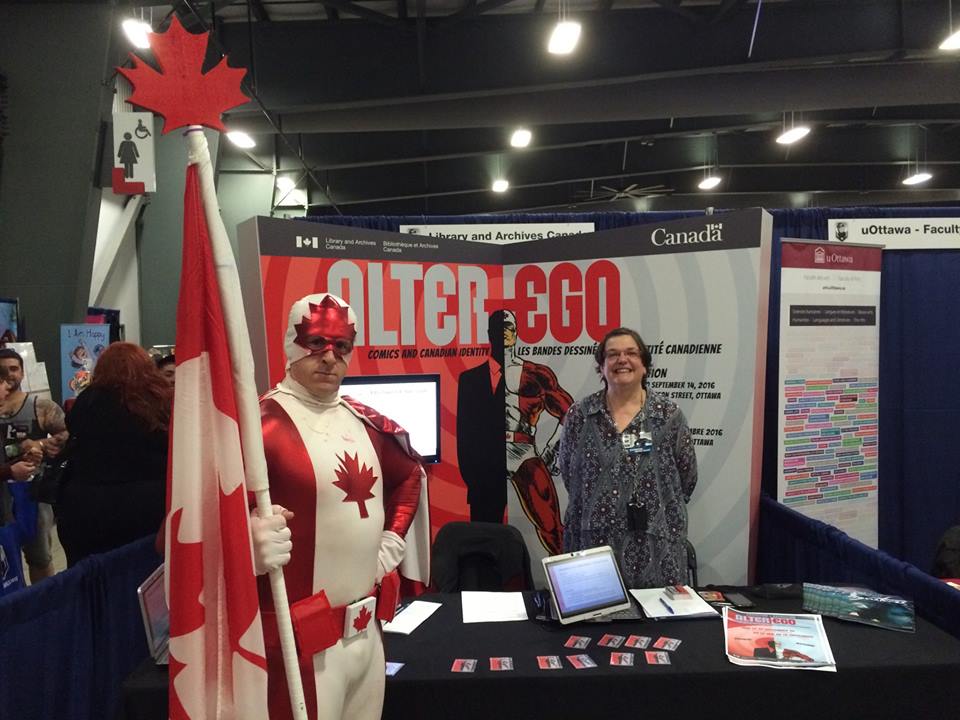
Captain Canuck, posing by the Library and Archives Booth.


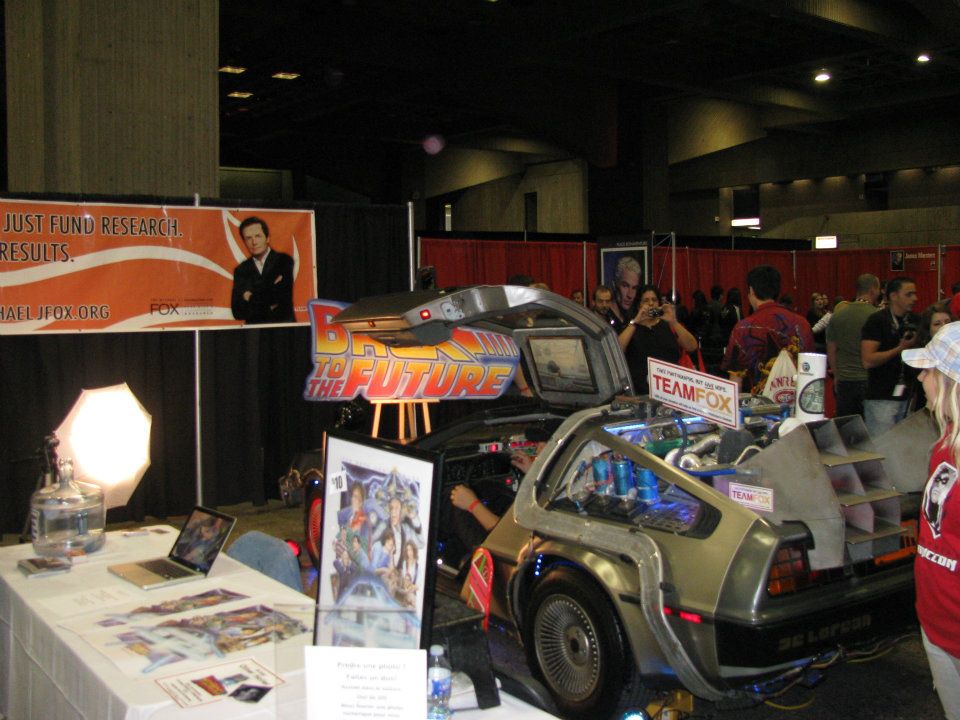
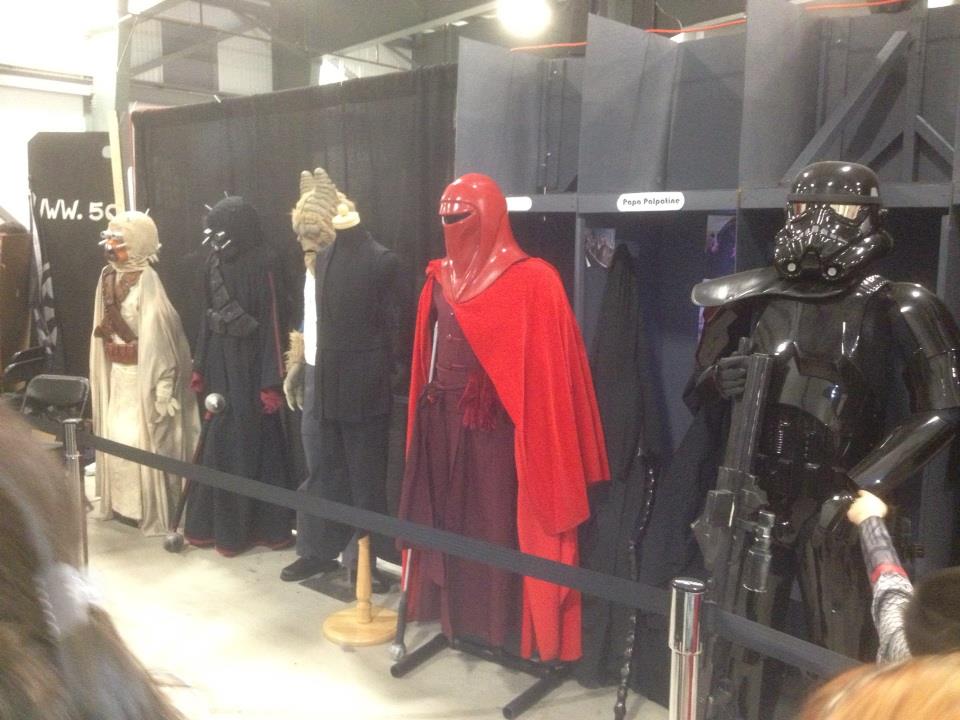
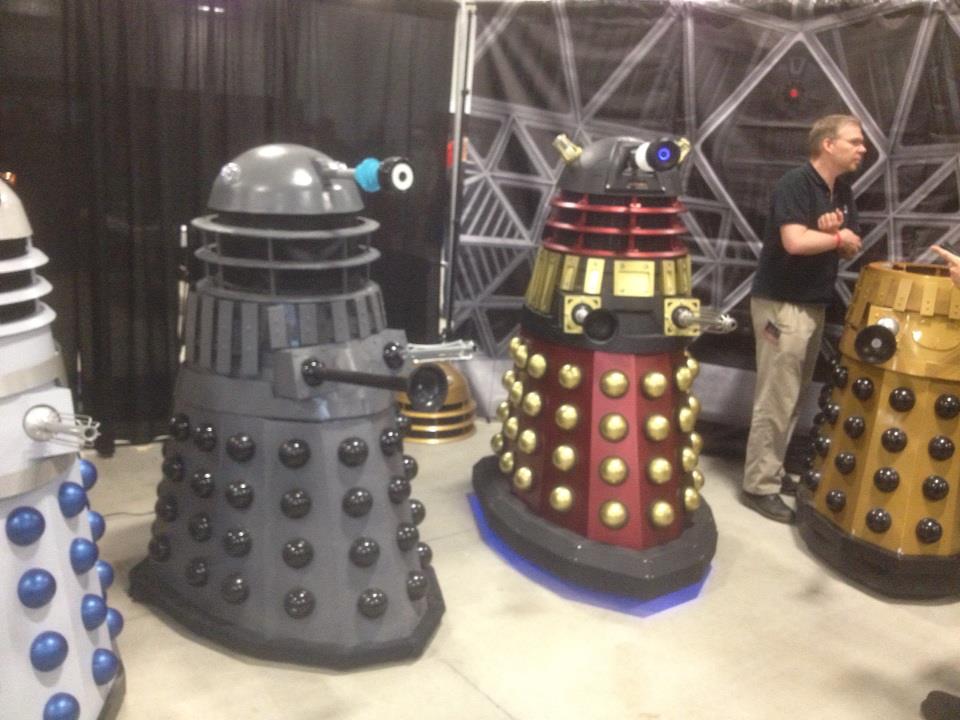
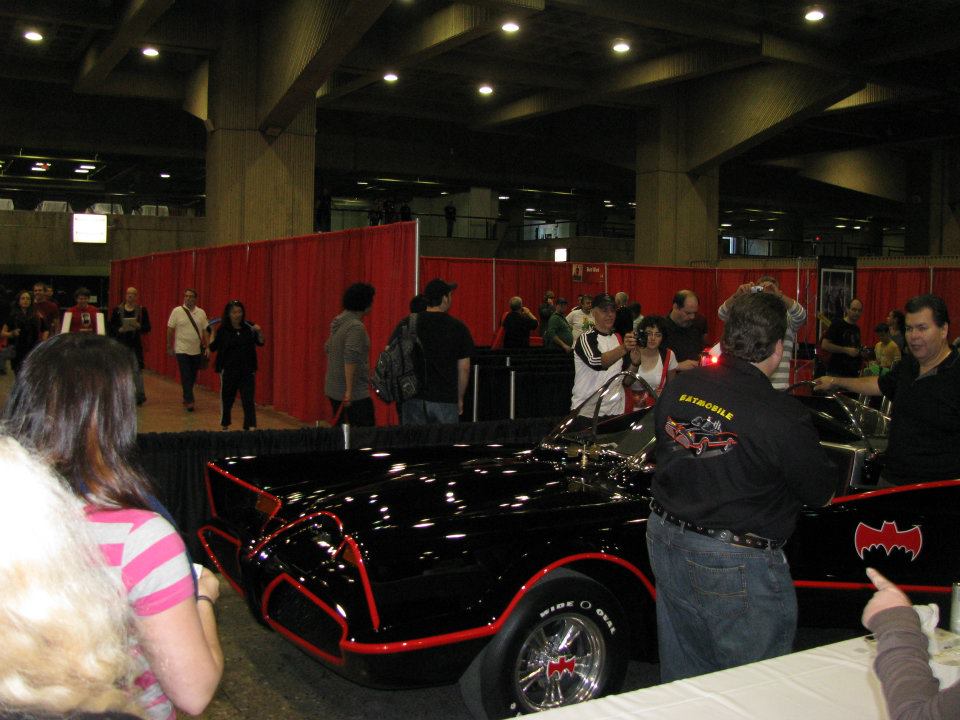
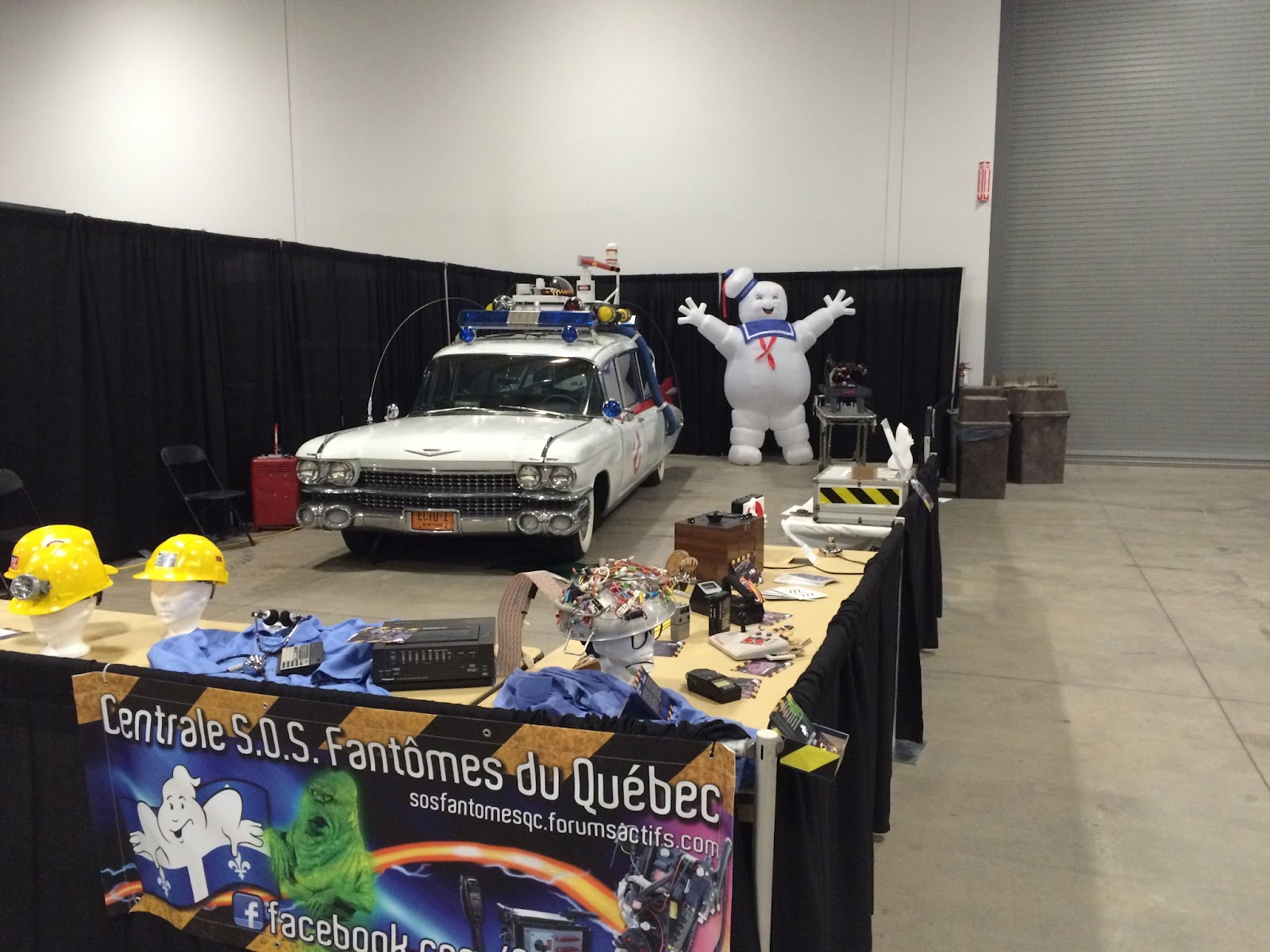
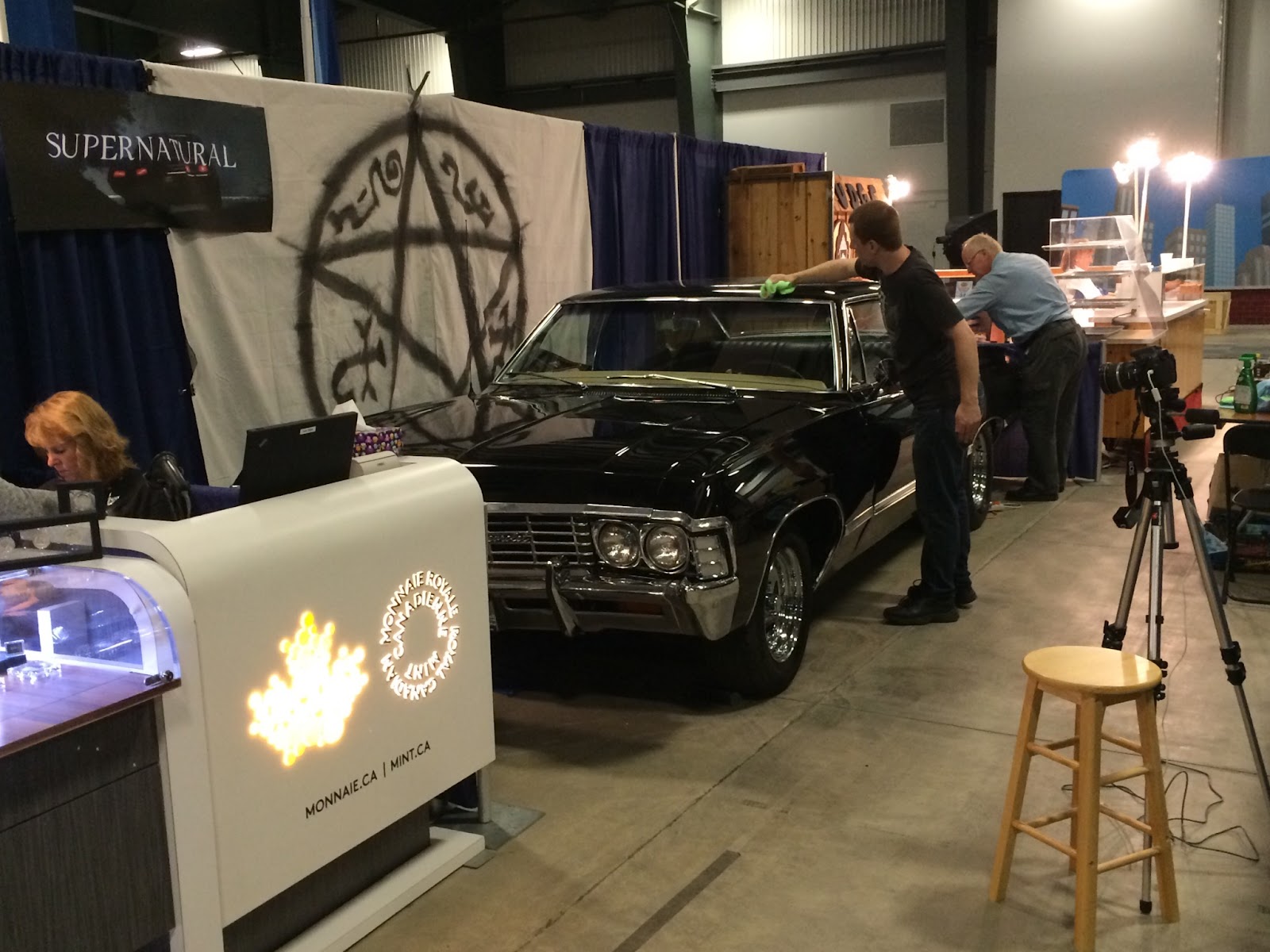
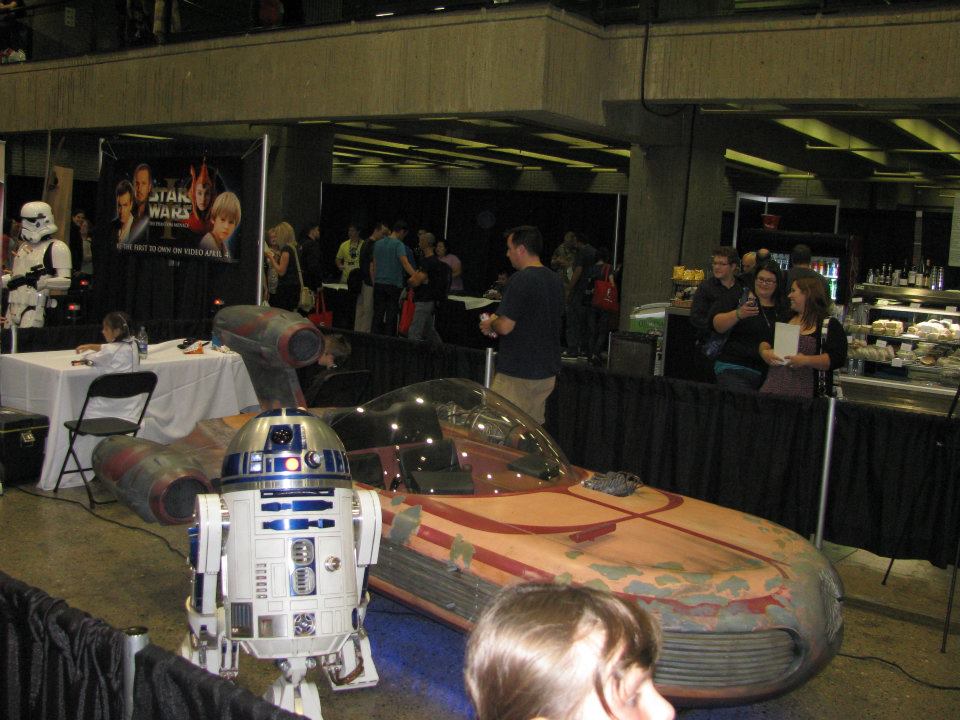
           One of the main attractions at Comic Cons are popular props and replicas from famous movies or television shows. These objects are often displayed in a way to allow visitors to take pictures with them.


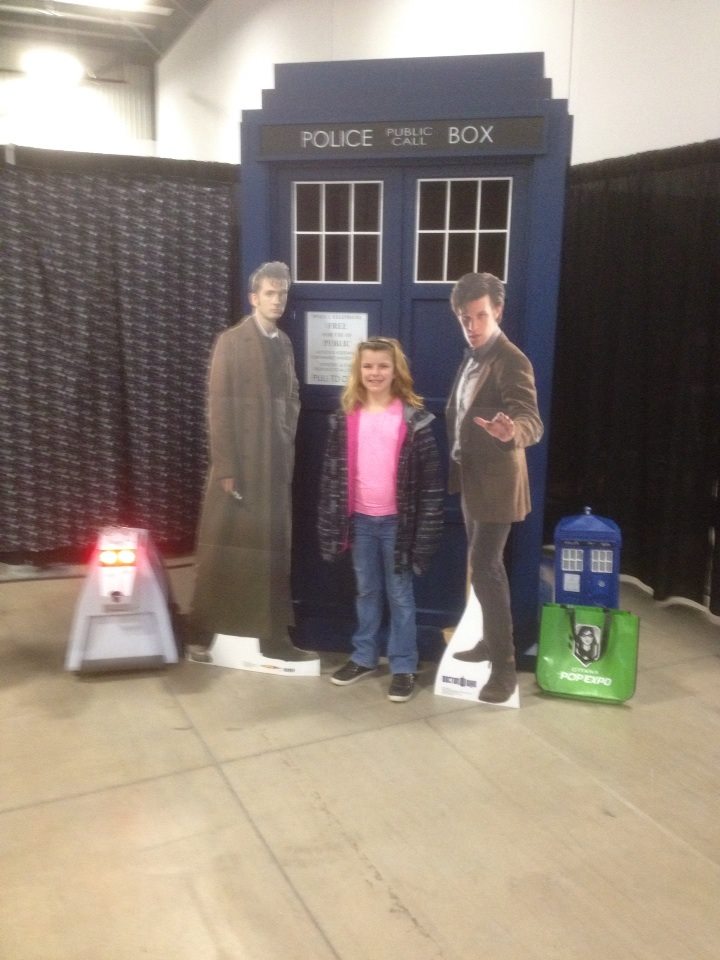
The TARDIS from Doctor Who.


The Delorean from Back to the Future.


Various costume from the Star Wars franchise.


Group of Daleks from Doctor Who.

Batmobile from the 1960’s Batman TV series.

Ecto-1 from the Ghostbusters.


The black, 1967 Chevy Impala from the Supernatural TV series.


R2-D2 and landspeeder from Star Wars.


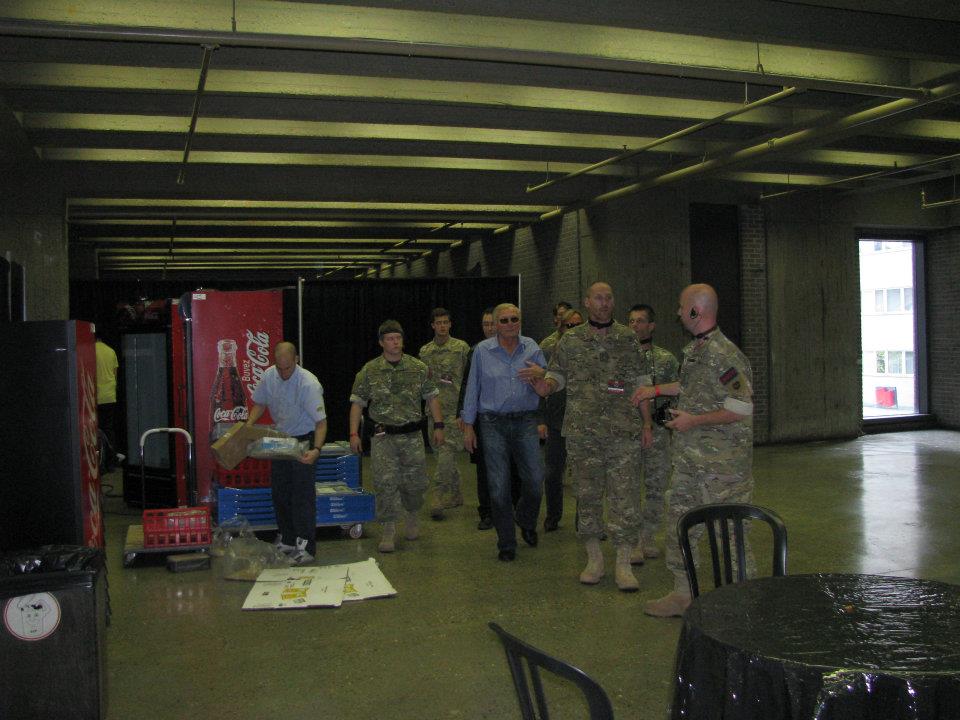
           And finally, one of the most exciting experiences of any Comic Con, is the opportunity to meet one of your favorite icons. Actors, Artists, Creators and so on, are invited to conventions, either too speak at panels, meet their fans at the autograph stand or have their picture taken at the photograph booth.


Adam West from the Batman TV series, being escorted to his booth.


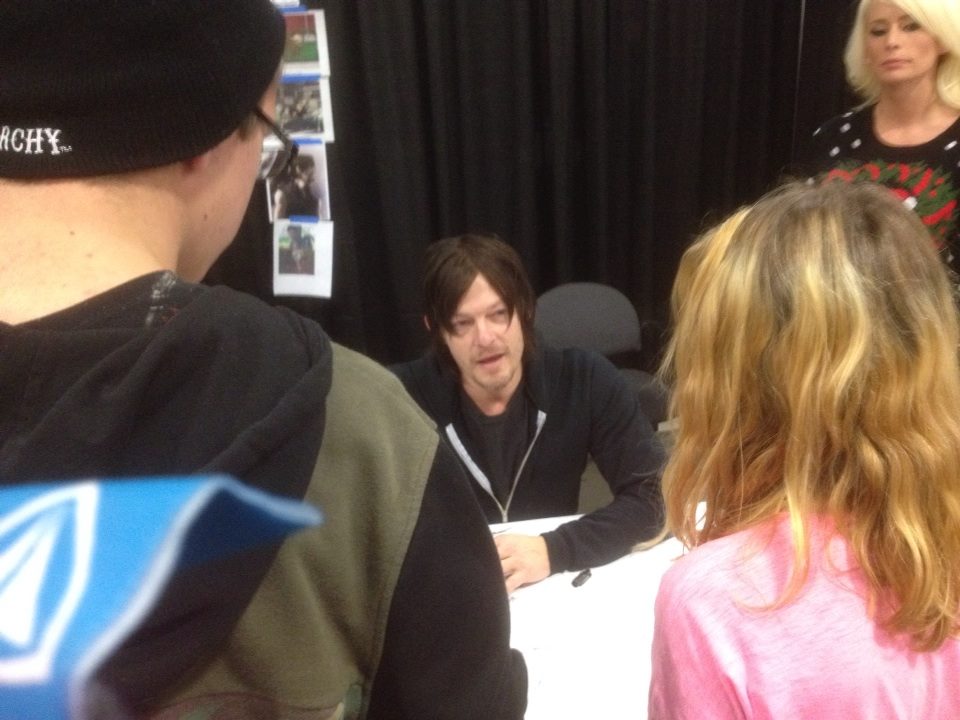
The kids meeting Norman Reedus from the Walking Dead. Great guy!


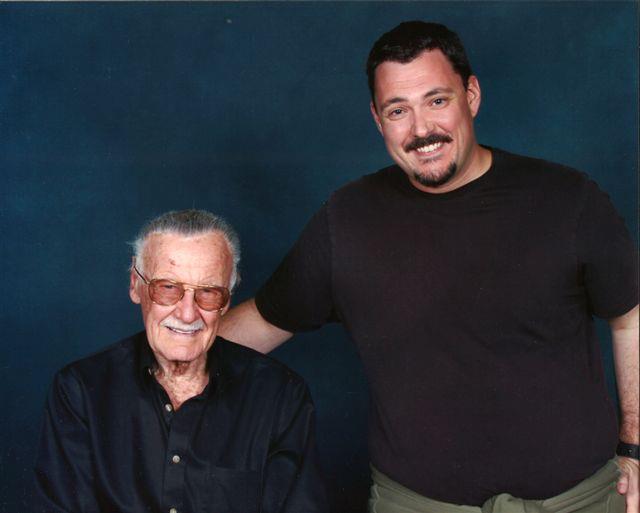
My personal favorite, Stan Lee, the creative genius from Marvel Comics.


As you can see, a trip to a Comic Convention can be beneficial to a writer looking for inspiration. I hope you enjoyed this month's inspiration post and that I encouraged you to go out there and experience it for yourself.


Until next time.


Cheers,

            Patrick Osborne


** All photos were taken by me, and are under copyright. Please ask for permission before using these photos**

Friday, September 18, 2015

BOOTCAMP LESSON 6: Perspective


Welcome back!
In this latest edition of BOOTCAMP, we will explore the concept of Perspective. Hopefully this exercise will be able to demonstrate how it affects storytelling and how it can be applied to your work.

Always depends on how you look at it!

Lesson 6: Perspective

As I mentioned in my post about Perspectives, its purpose in storytelling is to be the point of view from which the story is being told. By changing the angle or the voice from which the narrator presents the story to the readers, they can change the influence on the reader’s perception of the story.  A good real life example of this would be witness reports. I learned this while working as a security guard; if five different witnesses saw the same crime, they will give five different stories. Granted those stories may be similar, but they will differ in some aspect. Why? because each witness had their own perspective.

As authors, we have all occasionally been struck with writer’s block. Coming up with ways to write a scene is not always easy, but sometimes playing with perspective can help rectify this situation. Using a different perspective means information will be given to the reader in a different fashion, in turn affecting other story elements such as style and tone. Trying to change how the story is told may also help breath new life in a scene, just remember it is important to be consistent, or else risk confusing the reader.

But enough babbling, now for the exercise!

Rules:
  1. Below you will find a generic scene to work with.
  2. Within that scene, you will see four characters.
  3. Rewrite the scene using the following perspectives:
    1. Told in a first person perspective from the point of view of the victim.
    2. Told in a third person perspective from the point of view of the vendor.
    3. Told in an omniscient perspective from the point of view of the police officer.
    4. Told in a limited omniscient perspective from the point of view of the villain.
       
Generic Scene:
    It is nighttime in a small town. The victim is running down the street at a frantic pace, desperately trying to stay ahead of their pursuer. In their haste, the victim runs past a street vendor, who is talking to a police officer while putting away his merchandise. The officer and vendor look at the running person, then at each other questioningly. A few seconds later, a brute runs by, knocking down the vendor's merchandise without even slowing, too intent on catching up to the victim.”

Hope you have fun giving this exercise a try. For those who aren’t afraid to share their entries, feel free to submit your stories as a reply to this post. Remember, this is a game, so no posting bad comments about other people's entries.

Until next time!

Cheers,

Patrick Osborne
Monday, June 22, 2015

BOOT CAMP LESSON 3: Personality


Hello Again!


Welcome back to the third installment of BOOTCAMP! In today’s writing game, we will focus on how to make your Characters Personality stand out from one another. The purpose of this exercise is to practice accentuating contrast between character personalities.


Lesson 3: Personality


When writing, it is important to make your character's stand out from each other. If all the characters were the same, stories would become bland and they would hold little interest for the reader. For example, imagine a Police Drama, where all the officers were "good cops", then the story would get old quick. And if all the actors were "bad cops", then not much work would be done. Thus it is important to have variety, as too much of the same thing will simply be lost and perceived as background noise.


Another point to remember, is that there are benefits in having different personalities play off of each other. One actor who is seen as witty and straightforward, can play very well if paired with someone more serious and traditional (see the Lethal Weapon series for a good example). Another good example would be Batman and the Joker; this classic relationship is based off of how polar opposites react to each other.


But again, it is also important to remember not to always go in the same direction! If all Batman villains were like the Joker, then the series would have lost interest a long time ago. Variety is good, and there is a time and a place for any type of characters (but keep in mind the previous lesson on Integration in order to be sure it fits the setting).


So for today's game, your job will be to describe a morning show hosted by : YOU! The goal is to interview four people of various background... all at the same time! You will ask them three questions regarding a specific subject and have them answer in a way that clearly shows their different personalities.


So, here are today's guidelines!


Rules


  1. Below are Five "Topics", generic subjects to cover with your guests. Select ONE of the Five topics to work with.
  2. Below the topics, are Five different, stylized personality backgrounds based off of the alignment system. Feel free to create your own guests, but they must be of the following backgrounds. (You must offer a 1 phrase introduction to each guest, and each guest may reply with one phrase before starting the interview).
  3. Ask Three short questions to the guests you created.
  4. All Five guests must reply to each question at the same time.
  5. Within each reply, characters may choose to interact with each other, or simply reply to the questions, whichever fits their personality the most.


Topics


  1. Law enforcement: What is considered too far?
  2. Modern Education: Is the next Generation ready?
  3. Weapon Registration: Is it necessary?
  4. Pollution: What steps should be taken?
  5. Retirement: When is enough, enough?


Backgrounds:


  1. Lawful Good: These characters typically act with compassion, honor and a sense of duty. A Lawful Good nation would consist of a well-organized government that works for the benefit of its citizens.
  2. Neutral Good: These characters believe so strongly in concepts such as honor, order, rules, and tradition, that they go before their own needs. A Neutral Good society would enforce strict laws to maintain social order and place a high value on historical precedent.
  3. True Neutral: These characters tend not to feel strongly towards any alignment. People acting out of personal interest, who lack the capacity for moral judgment, or who play all sides to suit themselves are considered True Neutral.
  4. Lawful Evil: These characters show a combination of desirable and undesirable traits. While they usually obey their superiors and keep their word, they care nothing for the rights and freedoms of other individuals.
  5. Chaotic Evil: These characters tends to have no respect for rules, other people's lives, or anything but its own desires. They set a high value on personal freedom, but do not have any regard for the lives or freedom of other people.


For those who aren’t afraid to share their entries, feel free to submit your backstories as a reply to this post. Remember, this is a game, so no posting bad comments about other people's entries.


Hope you have fun giving this exercise a try. Until next time!


Cheers,


Patrick Osborne