Welcome to my blog!

Welcome to my blog! This is my journey, my first steps into the world of fictional writing. This blog is an online journal of sorts, where I share the progress of my work as well as what I have learned along the way. I hope you enjoy your time with me and that my experience may be of some use to you.

Tuesday, July 5, 2016

Current Projects 18.5

Hello again all!


       Just a quick article for you all today, as this information was made public only after I had posted my monthly Current Projects update. Missing Worlds Media as released a new article on their Kickstarter page, not only to show our progress but to commemorate the fourth of July.


       This new article has tons of features, like a video of a district we currently have in game, some game mechanics and an announcement of an upcoming webcomic. What has me particularly excited is the mention of Lockharde Island, a zone I was assigned to write.


Here is a link to their Kickstarter page:


Hope you all enjoy it!


Cheers,


Patrick Osborne

Monday, July 4, 2016

Current Projects 18


Welcomes back,


Another busy month here, as our family tries to find balance between our summer schedule, work, chores and play. Surprisingly enough, despite everything we had going on this month, I still managed to find some time to get a decent amount of work done. So let me show you what I have been up to.


            When I started advertising my content using social media, I discovered the importance of adding visuals to attract readers. Adding a simple picture like the one above got me twice as many viewers as my original ‘pictureless’ posts. So I signed up to a free stock image website called StockSnap.io, and began creating my own publicity using pictures they send in their newsletters. I have made half a dozen so far, and you can see them mainly on my Twitter posts. Don’t worry, all the images used are free of any copyright restrictions.


Regarding this month’s content, I was trying to think of an appropriate theme for July. With historical holidays like Canada Day and Independence Day, I’m looking to see how history can inspire literature. I currently have a Writing Prompt post lined up which will use historical references, and will be working on creating more historical content within the next few days.


Speaking of adding content, I have created a new page which will be accessible later this month. It is based on an idea I had a few months, when I realised that reading more was a great way to expand my vocabulary, given that I am french reading english novels. On several occasions, I had to look up a definition because I was unfamiliar with a certain word. Unfortunately, I realised that looking up a word isn’t enough, as I often forget it later on. The best way to remember a new word is to use it, so I decided to create a Definition Page. This will be a place for me to write down new words, their definition, and use them. Hopefuly this will be an effective way for me to memorise their meaning and expand my horizons.
   
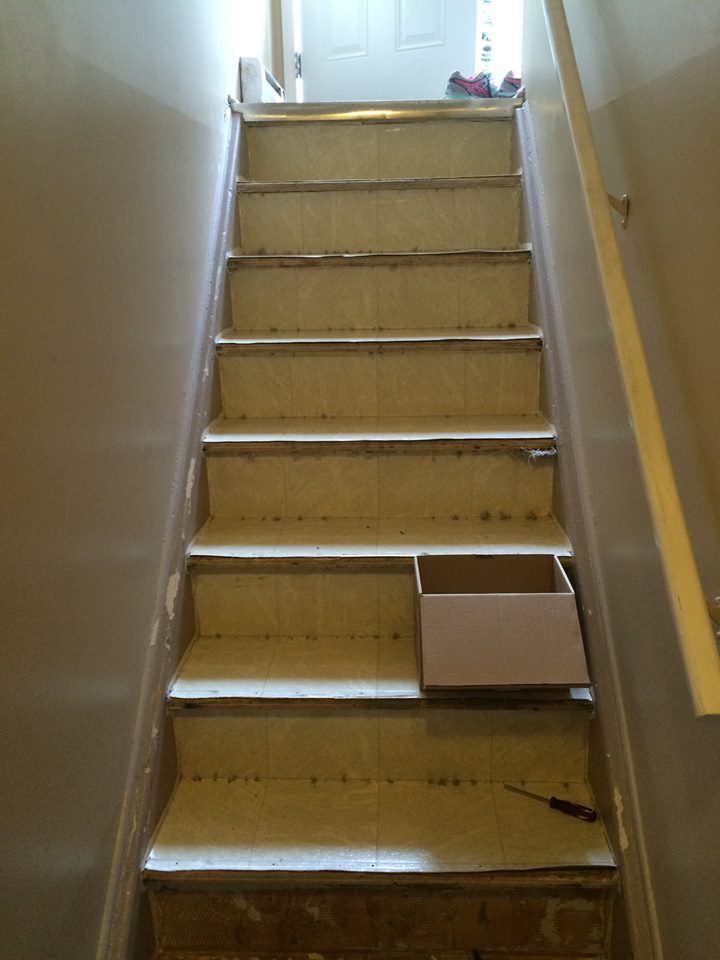
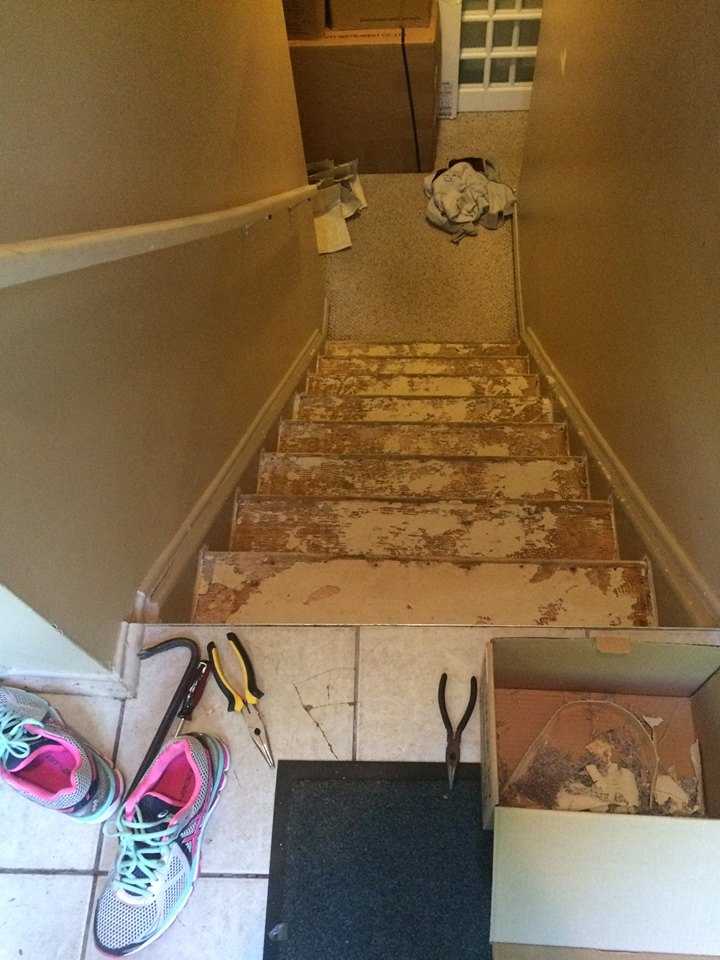
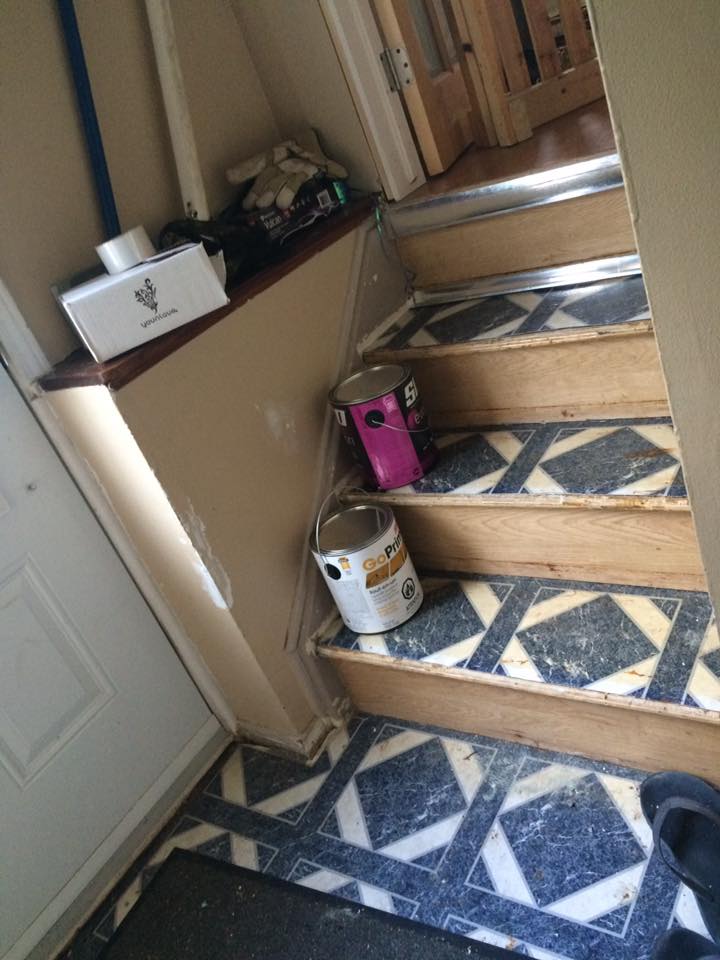
          Which leads me to segue number two: new experiences that affect writing. This month Linda and I started doing a lot of renos in order to get her future studio ready. Though this may not seem to have anything to do with writing, any experience can contribute to inspiration, so it depends on how you look at it. By tearing a building apart, you gain a better understanding of how things break. I find this can come in handy when writing scenes where buildings are being destroyed. Not to mention physical labor can help burn tension, and repetitive actions can sometimes stimulate imagination. Also, Linda and I have a quid pro quo understanding; I help her with her business, she then helps me with my writing. So both of us are winners!


         In regards of my novel, I finally completed the write up of my first villain, Ivan Maddox, also known as Torment. He will be playing the role of muscle bound henchman to a much more fearsome villain, whom I have not fully written up yet. With him now in my completed pile, I have moved on to my next character; Ana Fernandez. Ana will be an ally to my main protagonist, and will fill several important roles within the storyline. Though I cannot go into details now (don’t want to reveal any spoilers), what can be said is she will be a free-spirited type character, who will also be the brains of the group. I thought having a character who was highly intelligent yet not particularly wise would make an interesting contrast.


         In terms of my work with Missing Worlds Media, I am still waiting for review on some of my submissions. A combination of backlog, deadlines and priorities seem to keep bumping my work back in the publishing line. This is sadly a fact of life when working in a bigger organization, so despite my work not being showcased now, I trust it will be later on. So for now I spend my allotted time for MWM by reviewing other people's work. I also asked the Head of the Composition Department if they had any other assignments floating around for me to work on.


Happy Canada Day and Independence Day!


That is all for this month. In closing, I want to thank my family and friends for all their support, and everyone for taking the time to visit my blog, it is truly appreciated. I am wishing you all a happy Canada Day and Independence Day from the comfort of my campsites deck while sipping pina coladas.


Until next time.


Cheers,

            Patrick Osborne

Tuesday, June 28, 2016

Inspiration Part 13 - Comic Book Conventions


Welcome back!


           I got the idea for this month’s inspiration post after having spent a weekend at the Ottawa Comic Con back in May. While representing Library and Archives Canada (LAC) at the con, it was my responsibility to talk to people about whom LAC is and what we do. This gave me the opportunity to meet many enthusiastic people and see a lot of interesting things.


           It was at this point that I realised just how much inspiration can be found at a Comic Book Convention. I figured there was enough content to cover to make an inspiration post out of it. So I created the following article using pictures from various conventions I went to over the last few years.


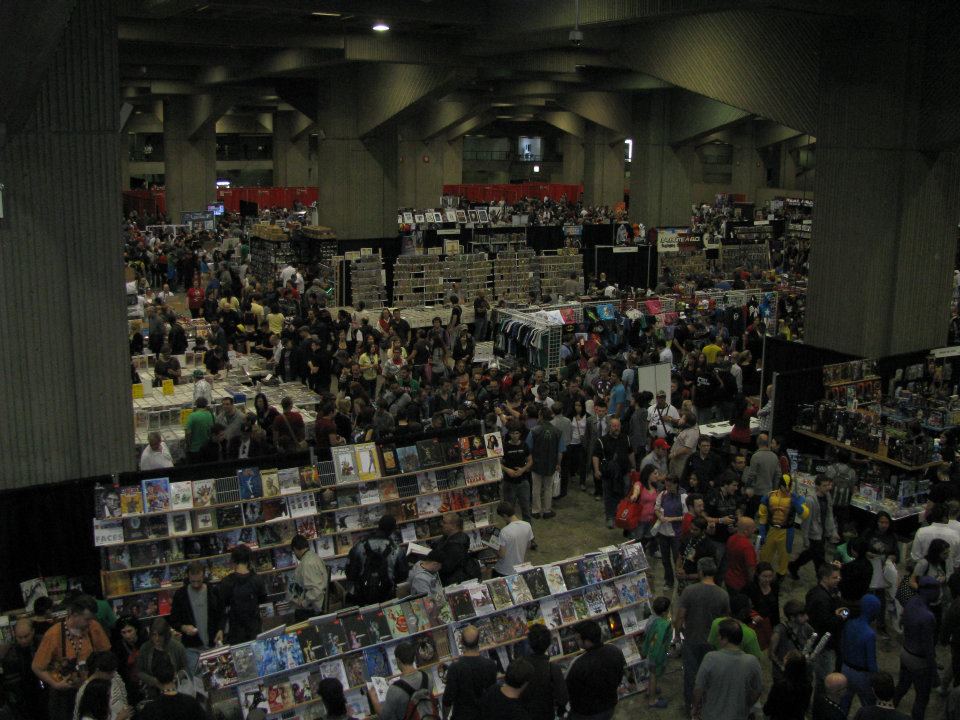
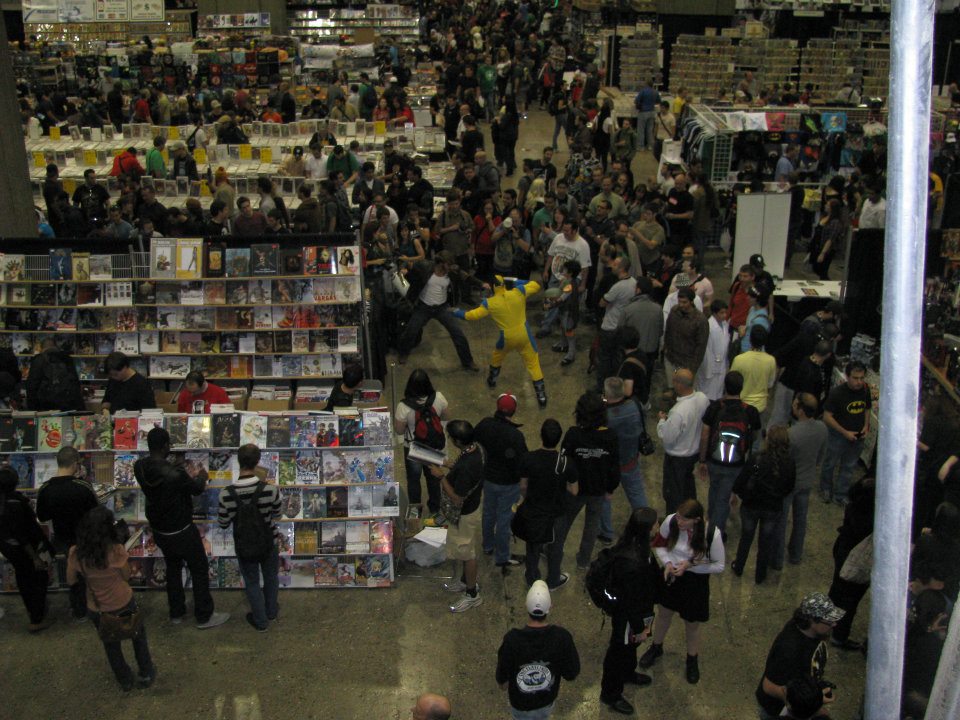
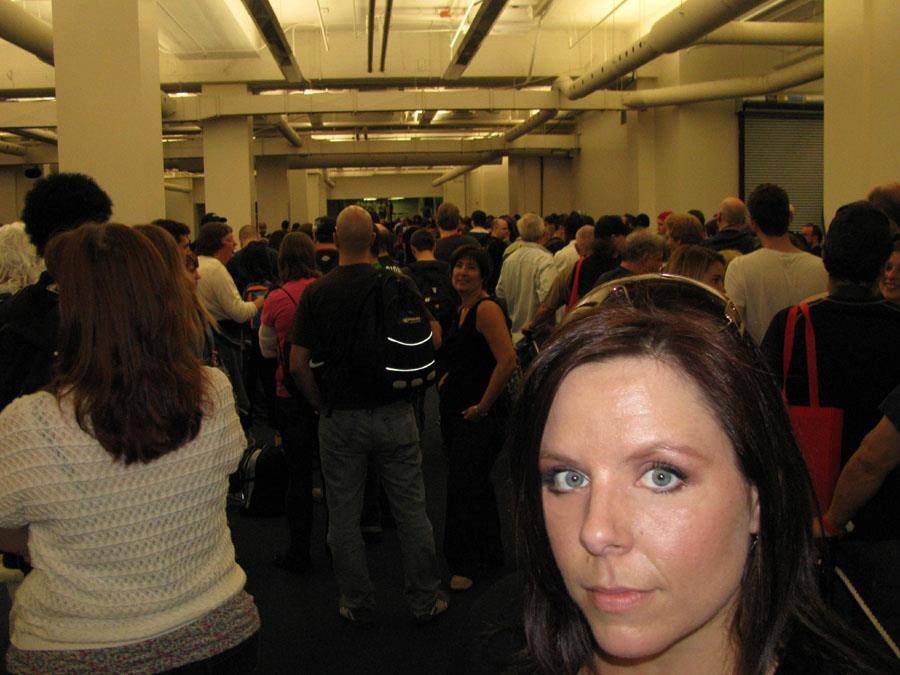
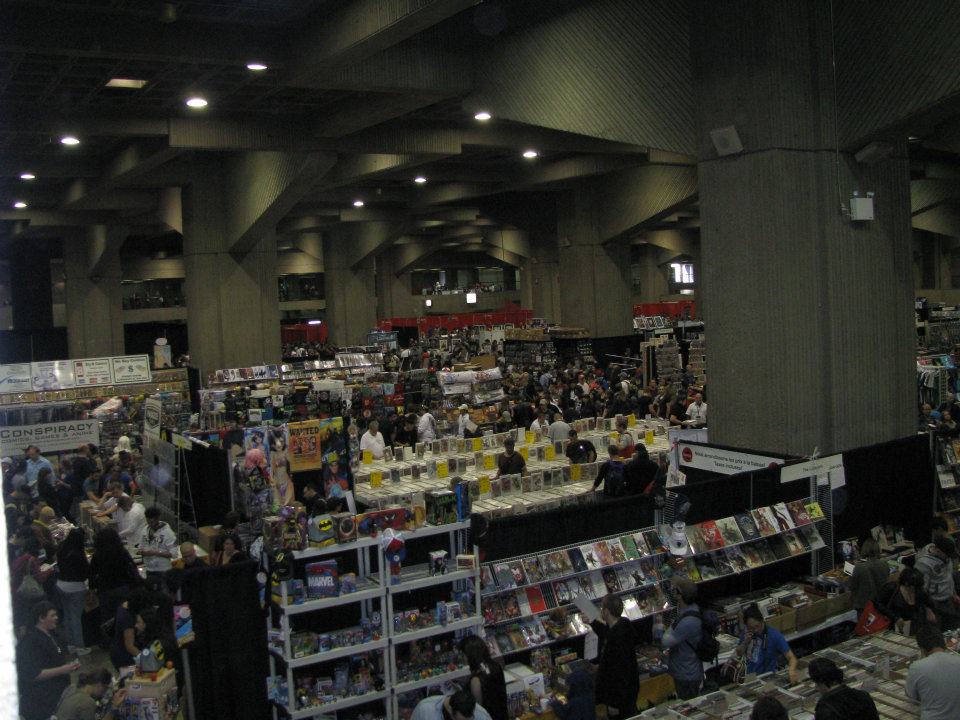
           First off, the most obvious part of a convention are the crowds! If you are looking to get some inspiration on how to describe large gatherings of people, you have come to the right place. Comic Conventions have been known to draw people by the thousands, so be prepared to have your personal space invaded.


Mega crowds at the Montréal Comic Con.

More crowds in Montréal, with Wolverine posing for pictures.


My wife, who is not impressed by the long lines of people waiting to get in.


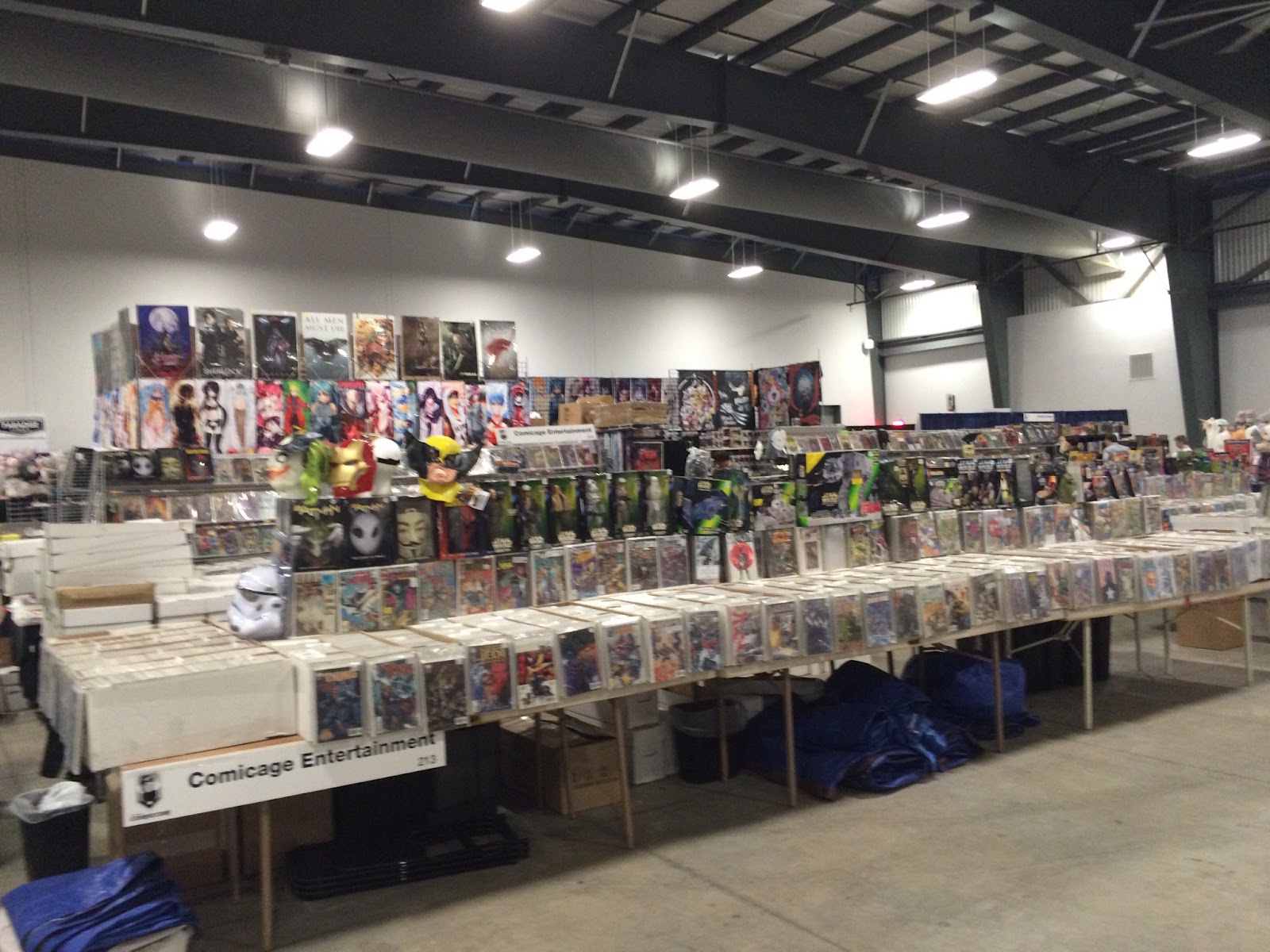
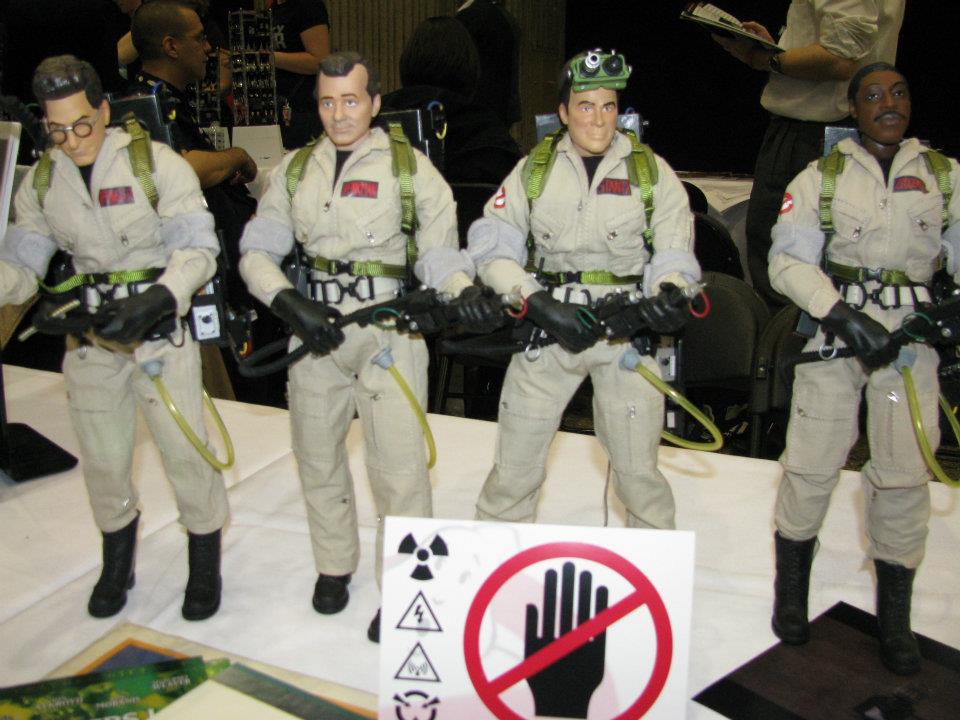
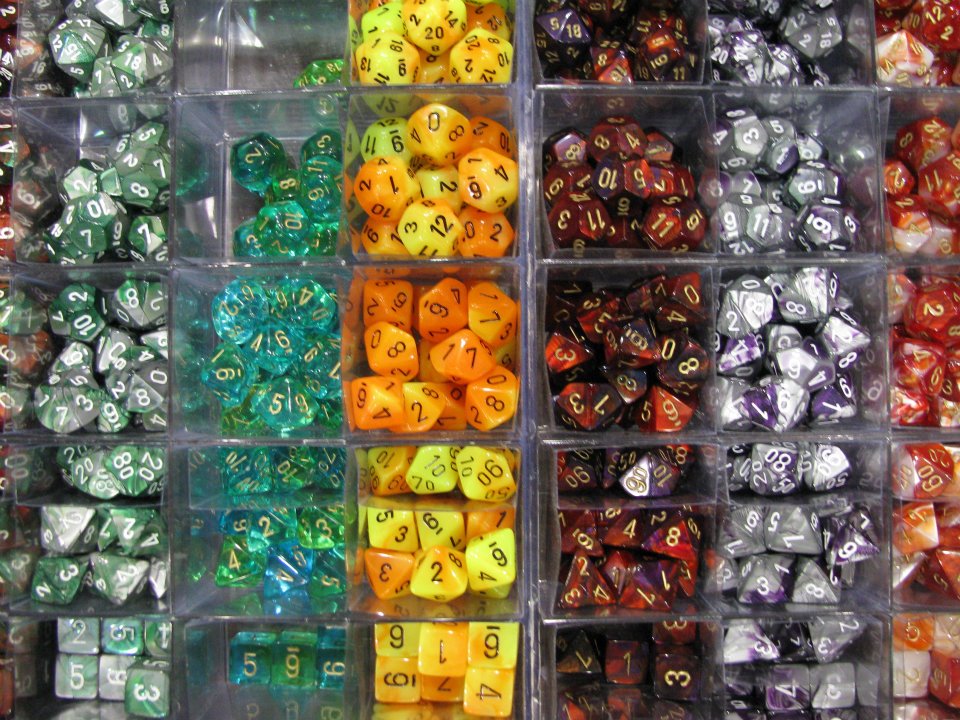
           Next are the vendors; people who put up kiosks to sell Pop Culture related merchandise. Comic Con vendors will have all kinds of comic book inspired paraphernalia: from movies, games, costumes, clothing and of course, comic books.

 
One of the many vendors at this year's Ottawa Comic Con.


Overview of some of the vendors at the Montréal Convention
.
Original Ghostbusters merchandise. Just some of the cool stuff you could find at a Con.


Gaming dice. No nerd can go without them.


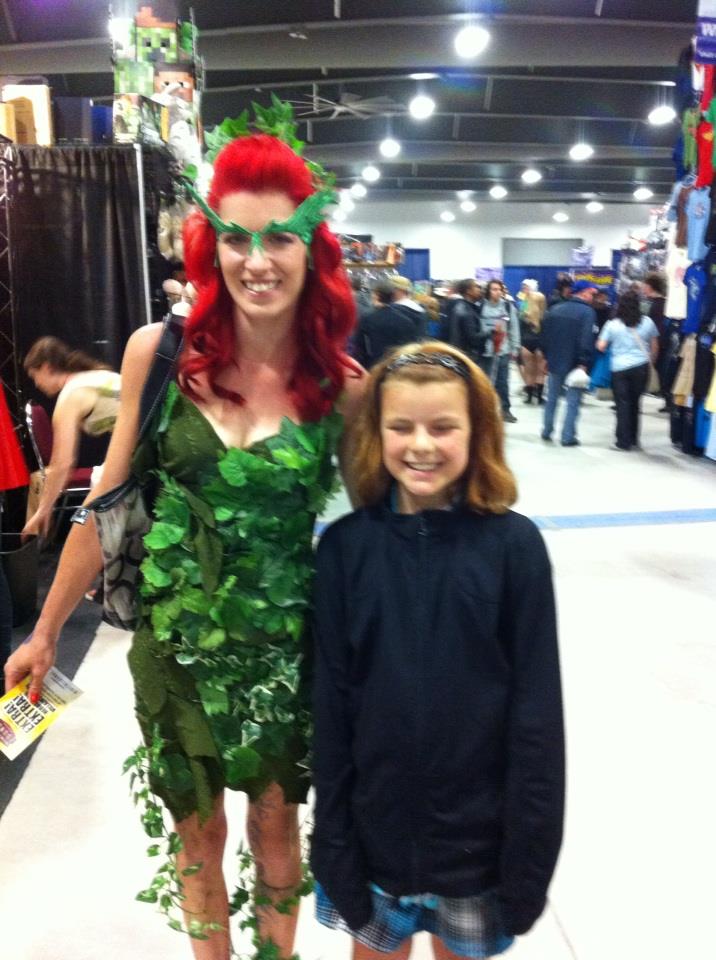
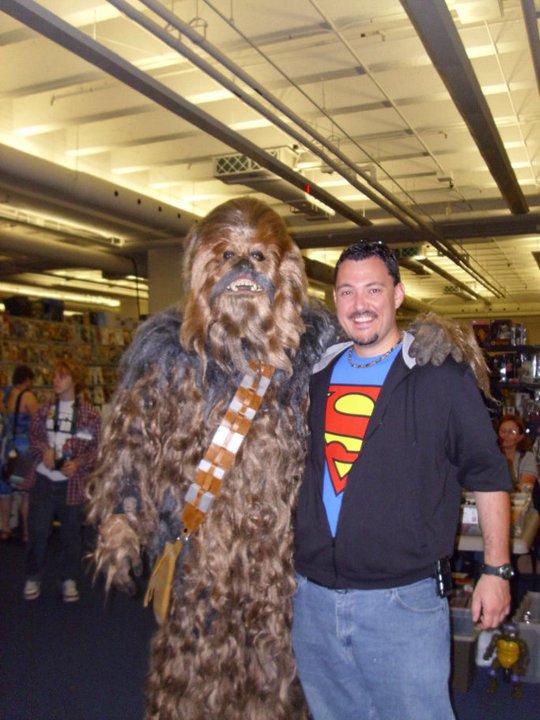
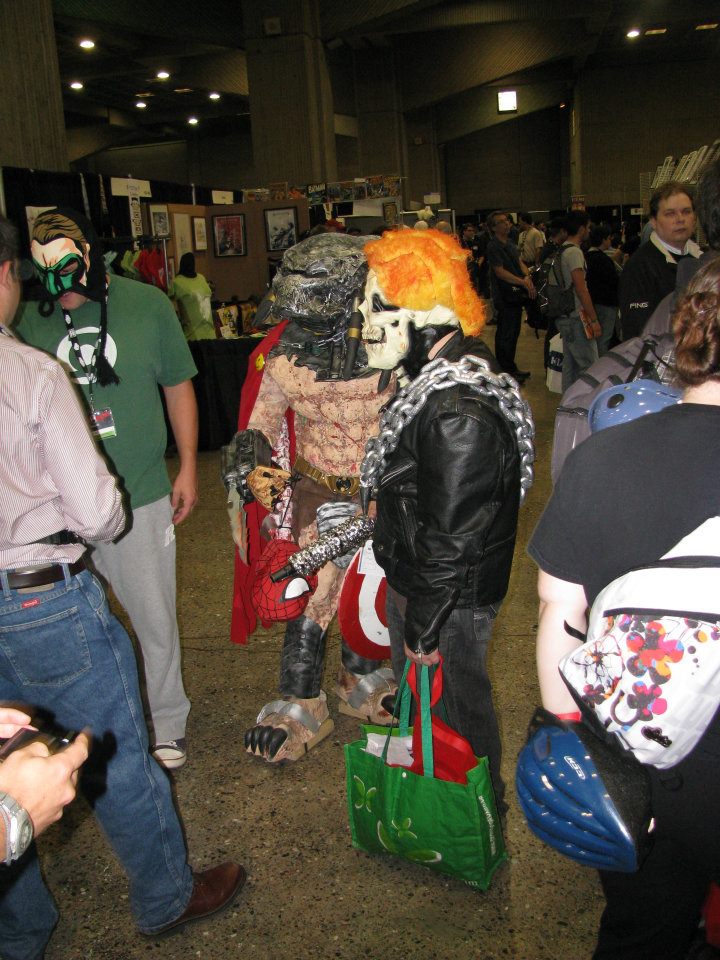
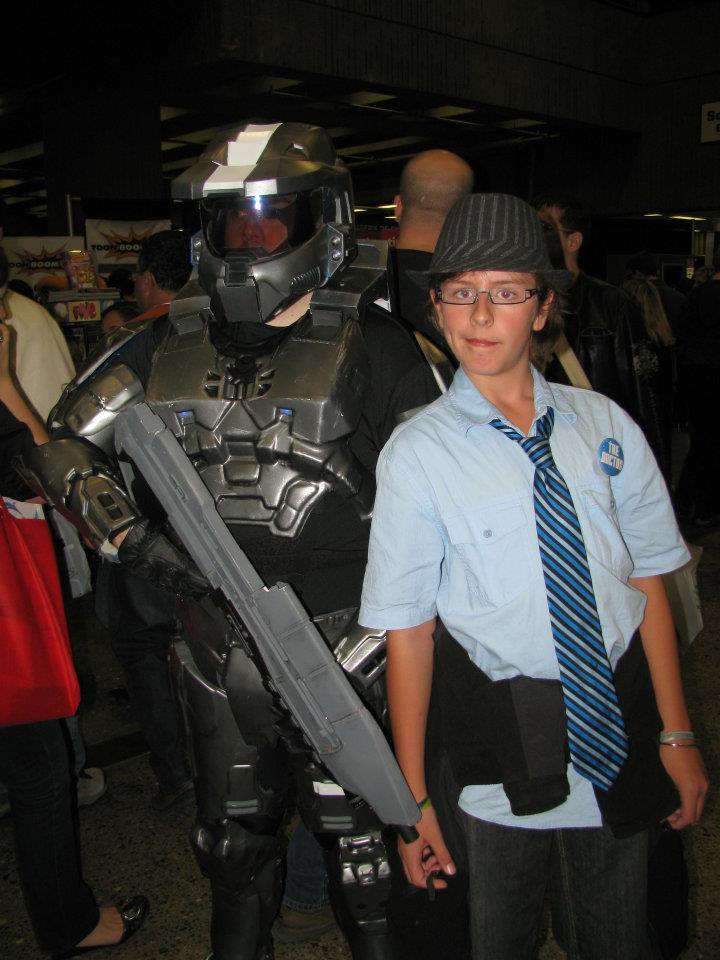
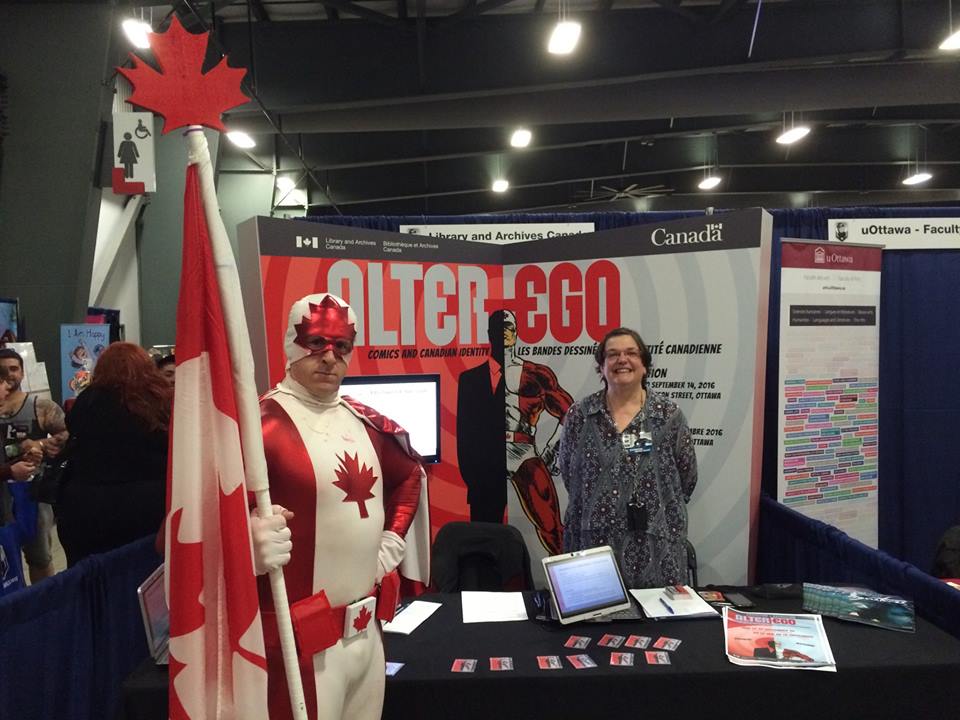
           Another common sight at Comic Conventions are Cosplayers, which has gotten so popular, that some people actually make a living off of Cosplaying. For those who don’t know, Cosplay is a shortened term for Costume Roleplay, where participants wear costumes and fashion accessories to represent a specific pop culture icon.
Poison Ivy from Batman lore.


Chewbacca from Star Wars

A Predator seen posing with Ghost Rider.


Master Chief from the Halo video game.


Captain Canuck, posing by the Library and Archives Booth.


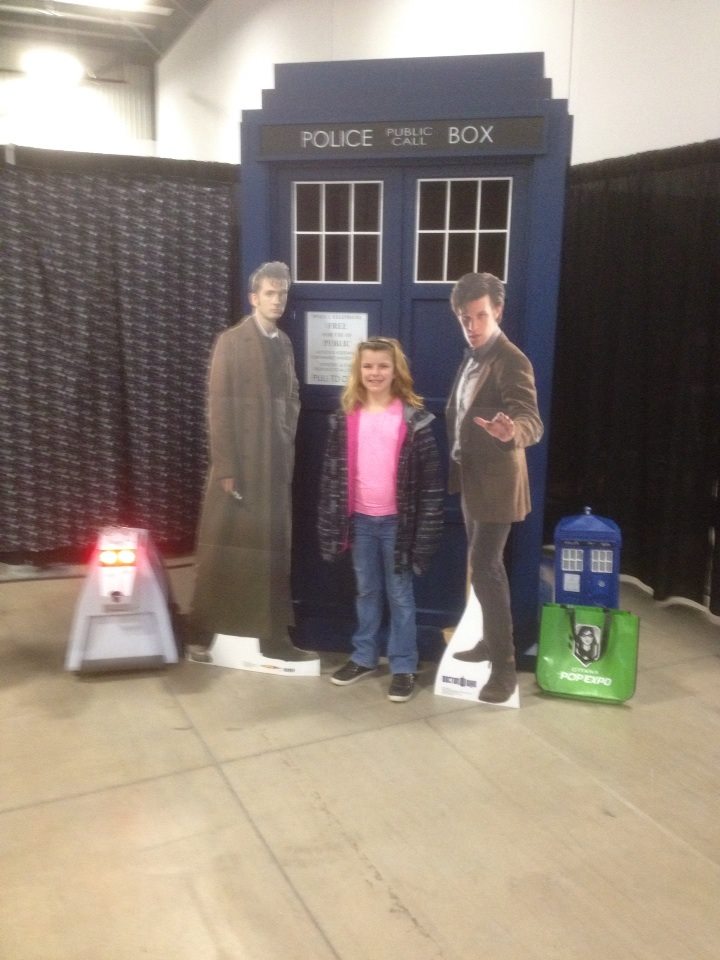
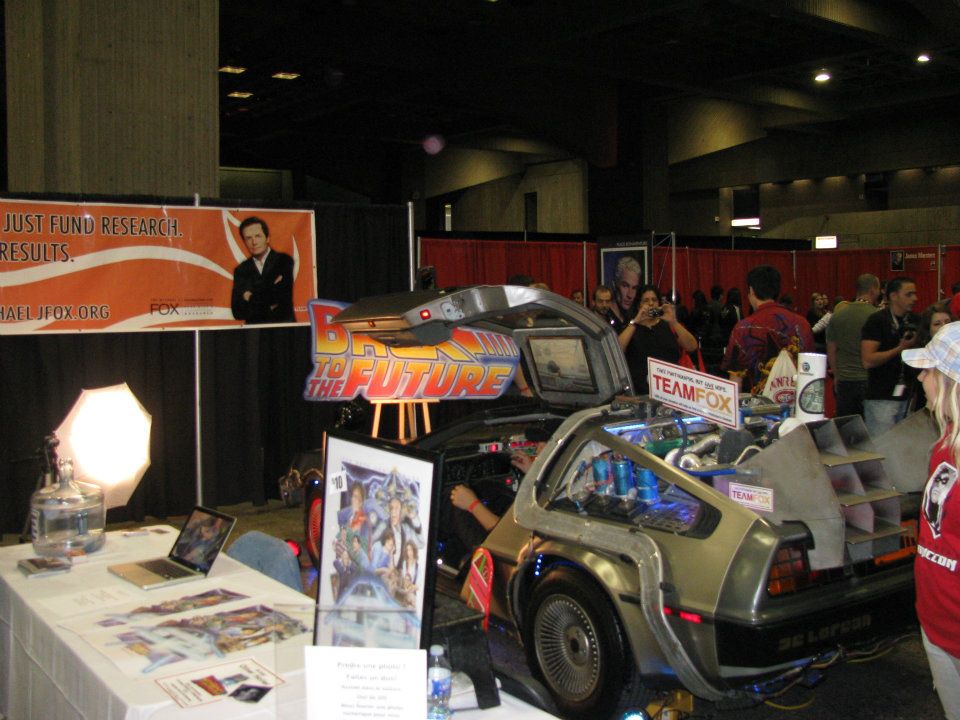
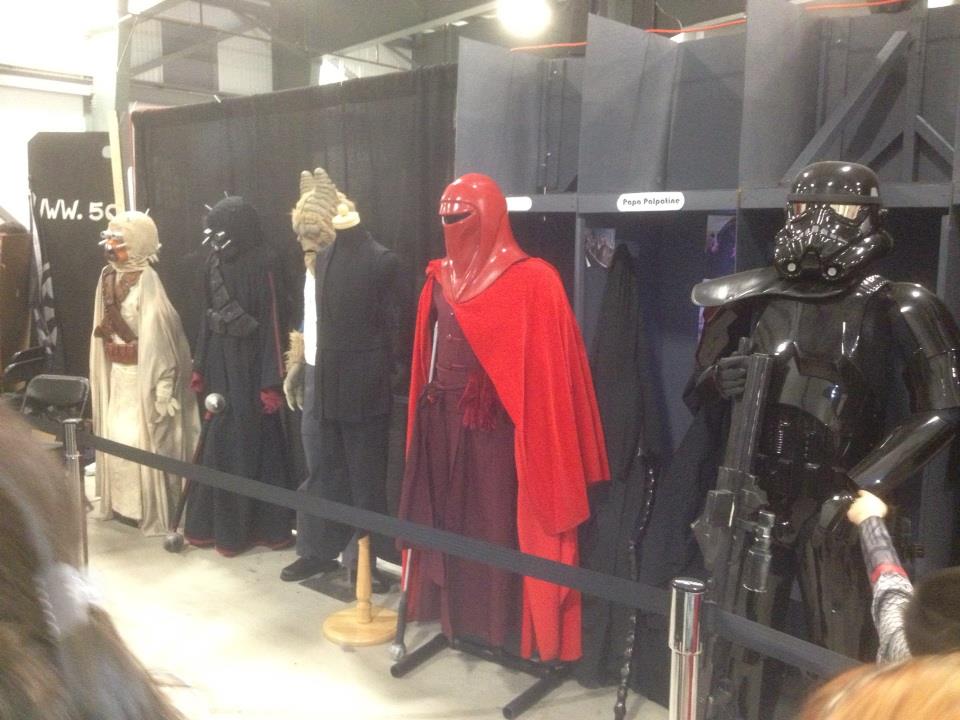
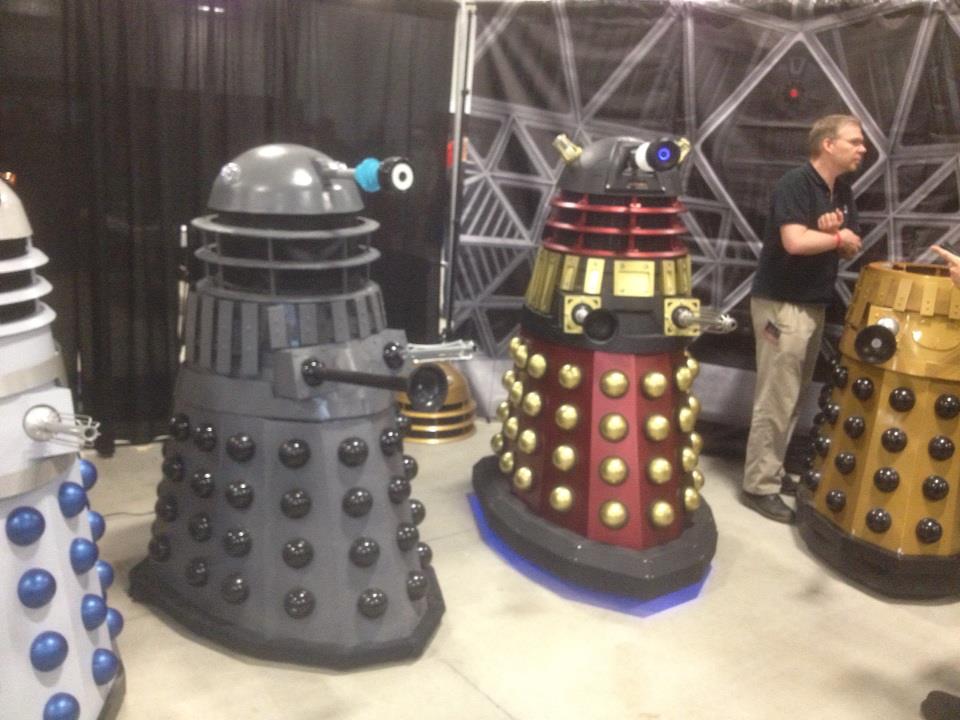
           One of the main attractions at Comic Cons are popular props and replicas from famous movies or television shows. These objects are often displayed in a way to allow visitors to take pictures with them.


The TARDIS from Doctor Who.


The Delorean from Back to the Future.


Various costume from the Star Wars franchise.


Group of Daleks from Doctor Who.

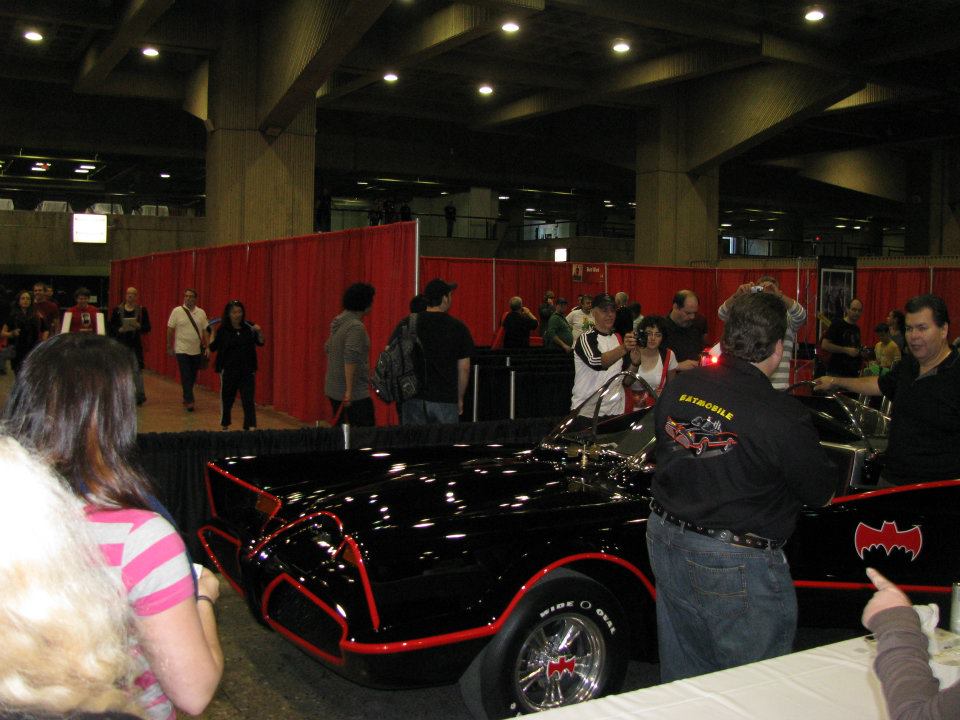
Batmobile from the 1960’s Batman TV series.

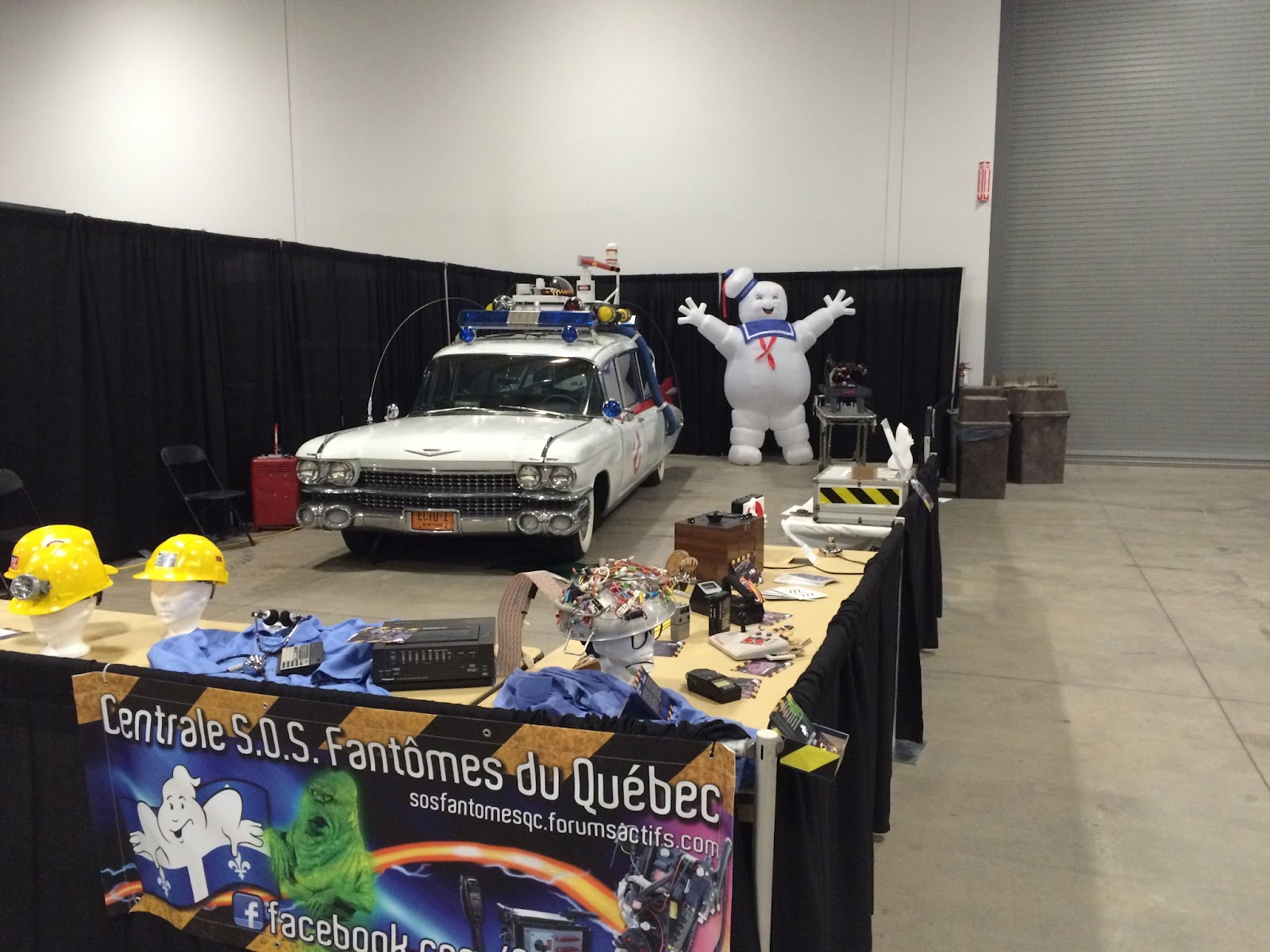
Ecto-1 from the Ghostbusters.


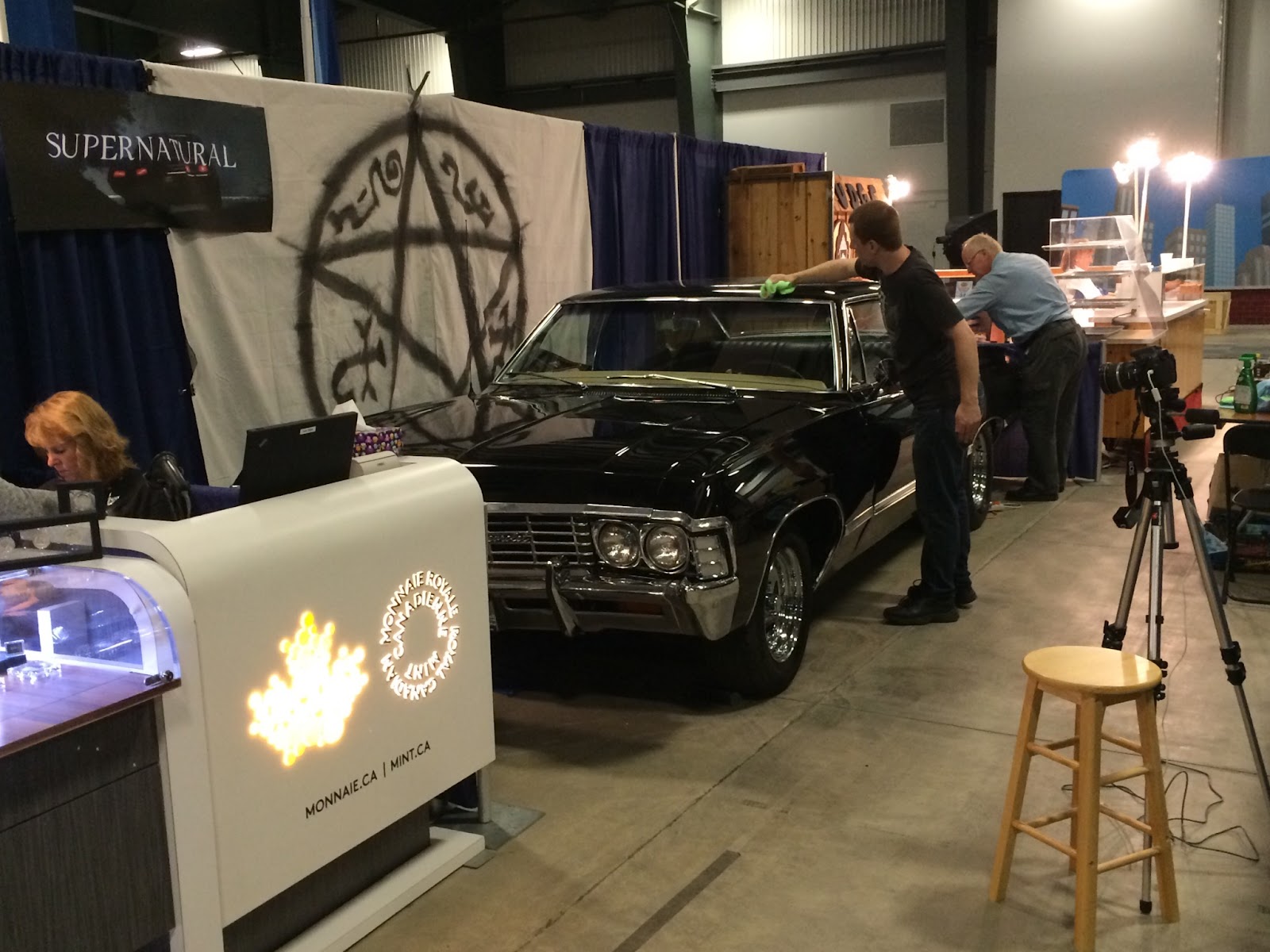
The black, 1967 Chevy Impala from the Supernatural TV series.


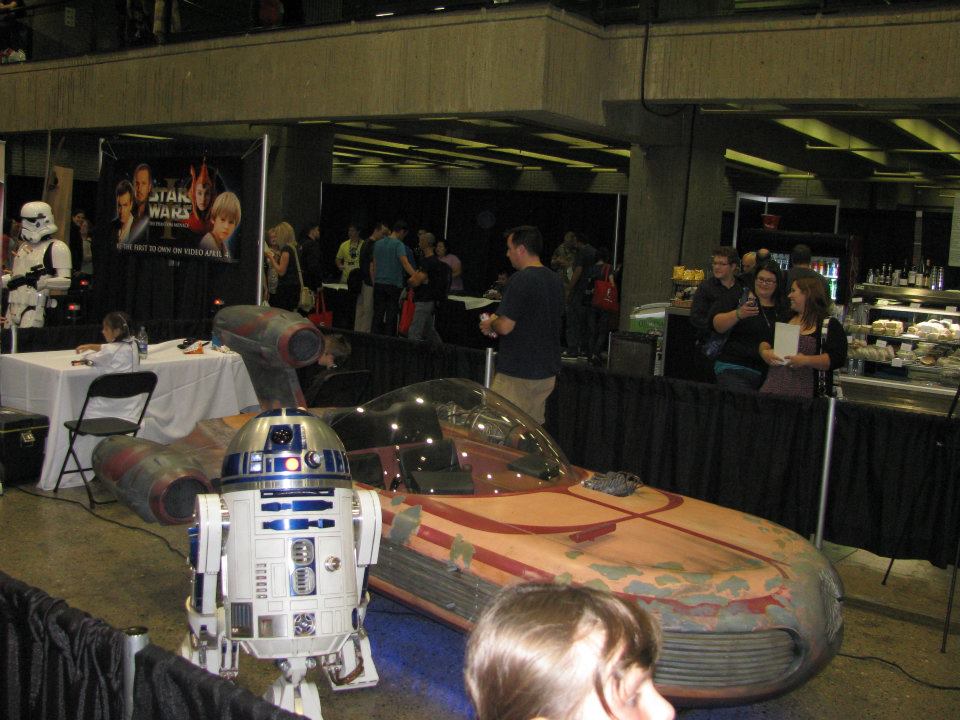
R2-D2 and landspeeder from Star Wars.


           And finally, one of the most exciting experiences of any Comic Con, is the opportunity to meet one of your favorite icons. Actors, Artists, Creators and so on, are invited to conventions, either too speak at panels, meet their fans at the autograph stand or have their picture taken at the photograph booth.


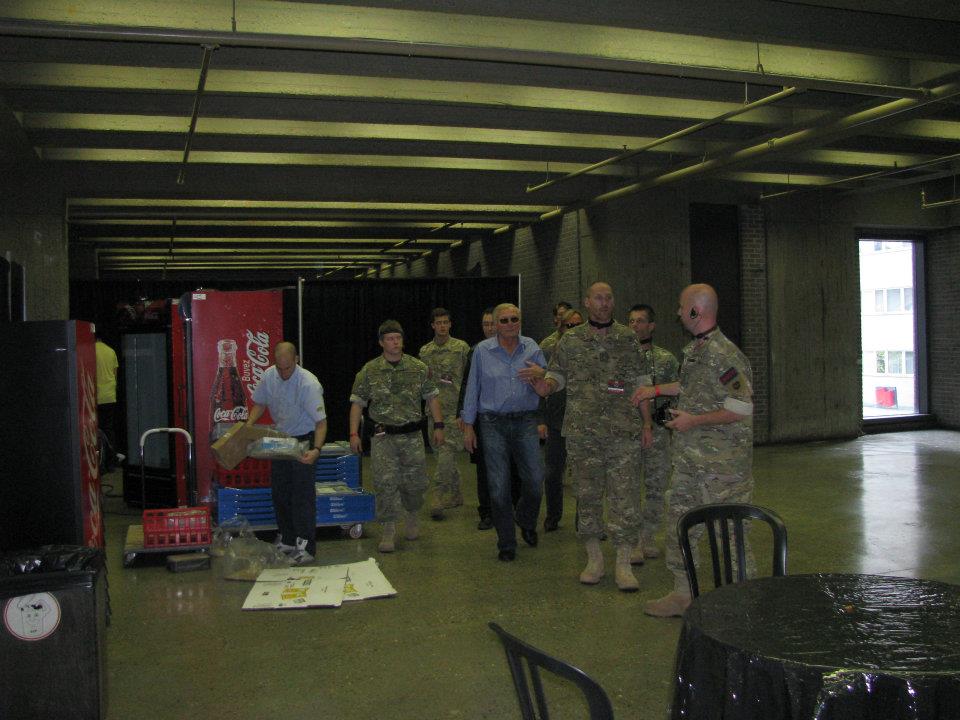
Adam West from the Batman TV series, being escorted to his booth.


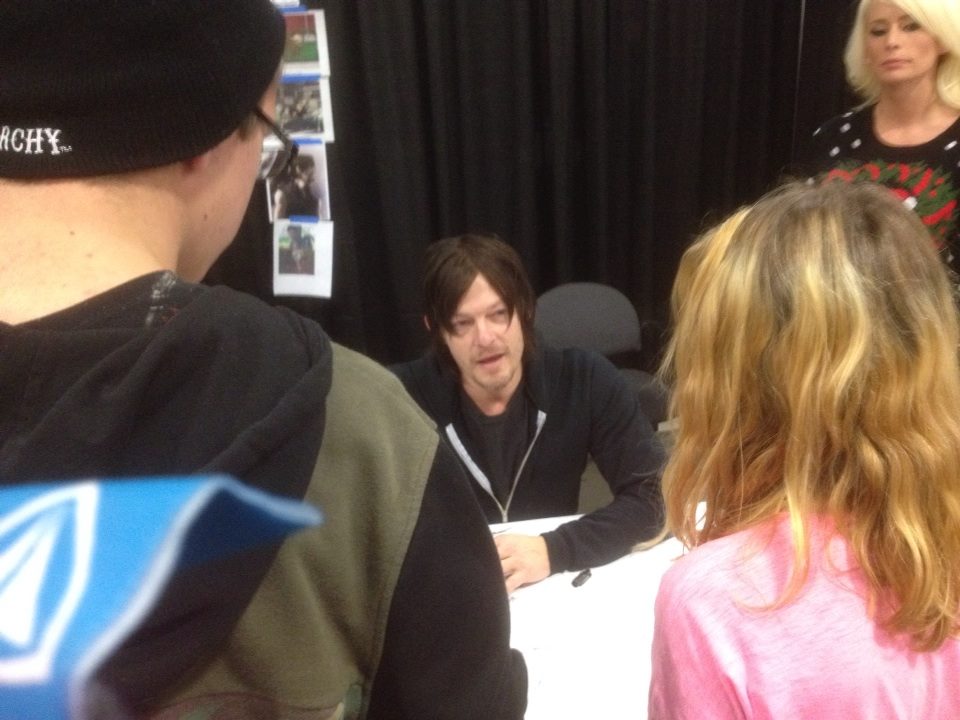
The kids meeting Norman Reedus from the Walking Dead. Great guy!


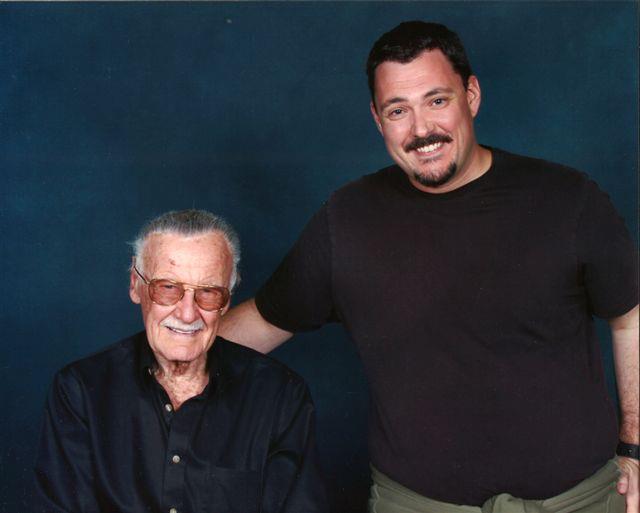
My personal favorite, Stan Lee, the creative genius from Marvel Comics.


As you can see, a trip to a Comic Convention can be beneficial to a writer looking for inspiration. I hope you enjoyed this month's inspiration post and that I encouraged you to go out there and experience it for yourself.


Until next time.


Cheers,

            Patrick Osborne


** All photos were taken by me, and are under copyright. Please ask for permission before using these photos**
Thursday, June 23, 2016

By the Book - Stalking the Angel


Welcome back,


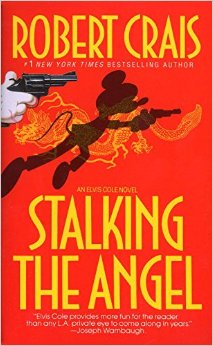
In the past, my tastes in books gravitated around sci-fi and fantasy. As I mentioned before, my interests have expanded over the recent years since moving in with my wife, as she made me discover police dramas and thrillers. So I figured it was time to go back out of my comfort zone, and try another mystery novel! The book featured in this month’s review is from one of the boxes donated to us from Linda’s family, and is called Stalking the Angel by Robert Crais.


Let’s be honest, what originally drew me to this book was its Mickey Mouse cover. The combination of bright colors and shocking image of the world famous, family friendly rodent holding a gun got my attention. After reading the first few pages, I was stricken by the main character, Elvis Cole, whose personality felt like a cross between Sam Spade and Ace Ventura. With that mental image in mind, the story that followed was interesting indeed.


The story follows the escapades of wisecracking L.A. private eye Elvis Cole, and his stone-faced partner Joe Pike. The duo are hired by Bradley Warren, a millionaire hotel magnate, to locate an ancient relic named the Hagakure which was stolen from him. In order to find the priceless Japanese manuscript, Cole’s investigation leads him to little Tokyo, where he is not only exposed to Japanese subculture, but runs into the Yakuza. To solve this nefarious plot, Elvis must find the link between the theft of a Japanese artefact, the kidnapping of a millionaire's daughter and the murder of a Yakuza lieutenant. The ending is not what you might normally expect.


Back of the book:
“The blonde who walked into Cole's office was the best-looking woman he'd seen in weeks. The only thing that kept her from rating a perfect "10" was the briefcase on one arm and the uptight hotel magnate on the other. Bradley Warren had lost something very valuable - something that belonged to someone else: a rare thirteenth-century Japanese manuscript called the Hagakure.


Just about all Cole knew about Japanese culture he'd learned from reading Shogun, but he knew a lot about crooks - and what he didn't know his sociopathic sidekick, Joe Pike, did. Together their search begins in L.A.'s Little Tokyo and the nest of the notorious Japanese mafia, the Yakuza, and leads to a white-knuckled adventure filled with madness, murder, sexual obsession and a stunning double-whammy ending. For Elvis Cole, it's just another day's work.”


What I learned from this book:
  • Name dropping: I have to do some more research on how to use copyrighted material in a book,  because what Robert Craig has managed to do in this story baffles me. On multiple occasions, the author makes references or comparisons to pop culture. Anything from Marvel, to Disney, to McDonald’s… a good example is his Pinocchio clock in Cole’s office, or his constant referencing to Jiminy Cricket. This successfully anchors the narrative in a modern timeline, and  helps the reader to better visualize what the author is describing. All these eclectic collectibles also give the audience an idea of Cole’s personality.
  • Describing the setting: There were so many details given in this book, I feel like I could just google map the setting. The protagonist often says which road he is taking, what address he is going to, etc. While investigating, Elvis describes his surroundings in detail, noticing elements which either stand out or are oddly missing. This information is used as either clues to further the plot, or red herrings to throw Cole (and the audience) off the trail.  
  • Life of a Detective: Contrary to some of the other crime novels I have read, I feel that Stalking the Angel gave me a more realistic look into the life of a detective. By that I mean investigations are not always about analyzing clues, interrogating suspects or busting heads (though the story has plenty of that too). There is a lot of waiting, such as stake outs, driving around or waiting for calls. This story had a fair share of downtime, showing that detective work isn’t always fast paced, and can be tedious just like any other job.
  • First person, Omnipresent: The entire story is told from Cole’s perspective. His inner narrative helps the audience see his logic and understand how he came to his conclusions. Not to mention Cole’s inner dialogue often makes for a good laugh.


Best-selling author and Louisiana native, Robert Crais, has not only written books, but scripts for television series and Movies-of-the-Week for major networks. His work include the best-selling Elvis Cole novels, and TV series such as Hill Street Blues, Cagney & Lacey, and the ever popular Miami Vice.


For those interested in reading more books from Robert Crais, please check out his website and wiki description, where you can find a complete listing of his published works and all other pertinent information:


In closing, I would like to thank my wife Linda for her support, and her family for lending us these books. The tremendous amount of encouragement they have shown me since the beginning is what keeps me going.


Until next time!


Cheers,

            Patrick Osborne

Friday, June 17, 2016

Action and Adventure


Welcome Back,


           In this month’s writing article, we will be taking a look at two very popular genres: Action and Adventure! Though they are separate categories, one is rarely seen without the other, so I felt they were similar enough to be covered in the same article.


           To be honest, I love action in stories. I’m a big fan of fast car chases, big explosions and intense fight scenes. In fact, unless there is a good intrigue, I will most likely lose interest in a story if there is not enough action going on. Action and Adventure is not only a very common genre in literature, but it works well as a sub-genre for fiction, pairing nicely with other categories such as fantasy, horror or mystery.


The basics of a story is a plotline which follows the exploits of the main characters as they attempt to resolve a conflict while making their way to their intended goal. So how exactly does Action and Adventure differ from other genres? In action movies, the events usually unfold at a much quicker pace in order to create tension, leaving less room for details or character development. The results are similar in action novels, meaning information given during action sequences is minimized to the absolute necessary (for more information see my post Showing and Telling).


Story events must occur in order for the plot to enfold. However, using the proper form of action adequately is important, as it can make or break a storyline. Here are good examples of different types of actions that can be found in a narrative:


Inciting incident: This action occurs at the beginning of the story, and should have a negative impact on the setting and/or the main character(s). The Inciting Incident should be significant enough to cause some sort of imbalance in the setting/characters existence, encouraging those affected to act towards rectifying the situation. Also referred to as the trigger or catalyst,this action marks the beginning of the Adventure.  

Major Events: Actions that progresses the story farther along the plotline, or steer it into new directions. There can be several Major Events within a storyline, and they are separate from the Inciting Incident, but are often the result of the same conflict or antagonist. The main character will be forced to react to this event, thus moving the story forward.

Common Events: These everyday actions are performed by the characters, and carry the story from one scene to the next. Common actions, such as habits, nervous tics and so on, serve to better ground the characters into the fiction by adding depth and personality to their background.


Rising Action: The Rising Action is a term used to describe the first half of a plotline, and is composed of several events, building up in intensity. This series of events serve to create tension in the storyline as it approaches to the Climax. The source of the crisis is known, and though the characters may take actions against, they will not succeed in resolving the issue until later.

Climax: The most memorable event in a piece of fiction. The climax occurs after the characters have dealt with several preceding events. It is the final confrontation between the protagonist and the source of the crisis. The climax should be more intense, the obstacles greater and the chances of success smaller than any other event prior to it.


Falling Action: The moments following the solving of the crisis is known as the Falling Action. In this part of the story, actions which were fueled by the crisis or antagonist come to a halt, and begin to resolve as a result of the actions taken by the characters.

Resolution: Resolution is the part of the plotline where actions are taken to tie up loose ends. Characters resolved any unsettled personal problems, the setting returns back to normal and clarifications are given for any unexplained events.


          Now that we have seen different forms action can take in a narrative, it will be easier for us to understand how to communicate them through our writing. Typically, an Adventure story has a protagonist placed in a desperate situation, facing seemingly insurmountable odds. While this may sound stale or predictable, a writer's goal is to thrill the readers in order to keep them interested.


By alternating between Major and Common Events, either physical or psychological in nature, we change the speed and intensity of the actions taking place. Switching between a feeling of tension and one of safety helps to keep the audience off balance, thus creating anticipation. This variety is important as it adds credibility to the storyline.


When writing an Adventure story, the action scenes must feel like they are moving at a quick pace. Avoid including any details that add nothing to the plotline or that don’t reveal something important about the characters, setting or conflict. To do so, keep descriptions to a minimum, choose your verbs carefully and try using shorter sentences. The same logic applies to dialogue; keep it short, don't engage in lengthy discussions during action scenes and drop the action beats when possible.


In closing, the most important thing I learned about writing action scenes, is is to watch your pacing and do your research. Reading Adventures stories or watching action movies makes for great research, and is a good way to make your stories more compelling.


Until next time!

Cheers,
Patrick Osborne

**All images in this post are considered public domain under the Creative Commons law (CC0)**